Seneca Cancel, a native New Yorker who recently joined The Boland Team, lives in the Financial District. When I asked him what he loves about the neighborhood, he told me:
“One of my favorite things about living in FiDi is how many spots there are to just sit with a coffee and think — it has some of the most diverse coffee shops in the city. But it's the evenings that really get me. It gets so peaceful and quiet down here that you catch yourself thinking, ‘wait, I'm still in Manhattan?’ It's a different pace than most people picture when they think of this city.” Seneca Cancel, The Boland Team
His answer made me reconsider one of the oldest criticisms of FiDi: that it empties out after work. On paper, that sounds like a drawback. To Seneca, the quieter evenings are part of the appeal.
For years, FiDi was easy to categorize. New Yorkers went there to work, tourists came to see the landmarks, and commuters passed through to catch a subway or ferry. It was not always the first place buyers thought to call home.
That has changed. Time Out recently named the Financial District the 28th coolest neighborhood in the world for 2026. I can see why. The Seaport has new energy, the waterfront is a real draw, and there are more reasons to stay after the workday ends. Buyers can also choose from a range of residential buildings and price points, from luxury residences at One Wall Street and 130 William to more accessible options at 80 John Street. When Printemps opened at the base of One Wall Street last year, it brought a little Parisian chic to buttoned-up Wall Street.
But if you are considering a home here, cool is a starting point, not a conclusion. What matters is whether FiDi’s particular rhythm works for you on an ordinary Tuesday.

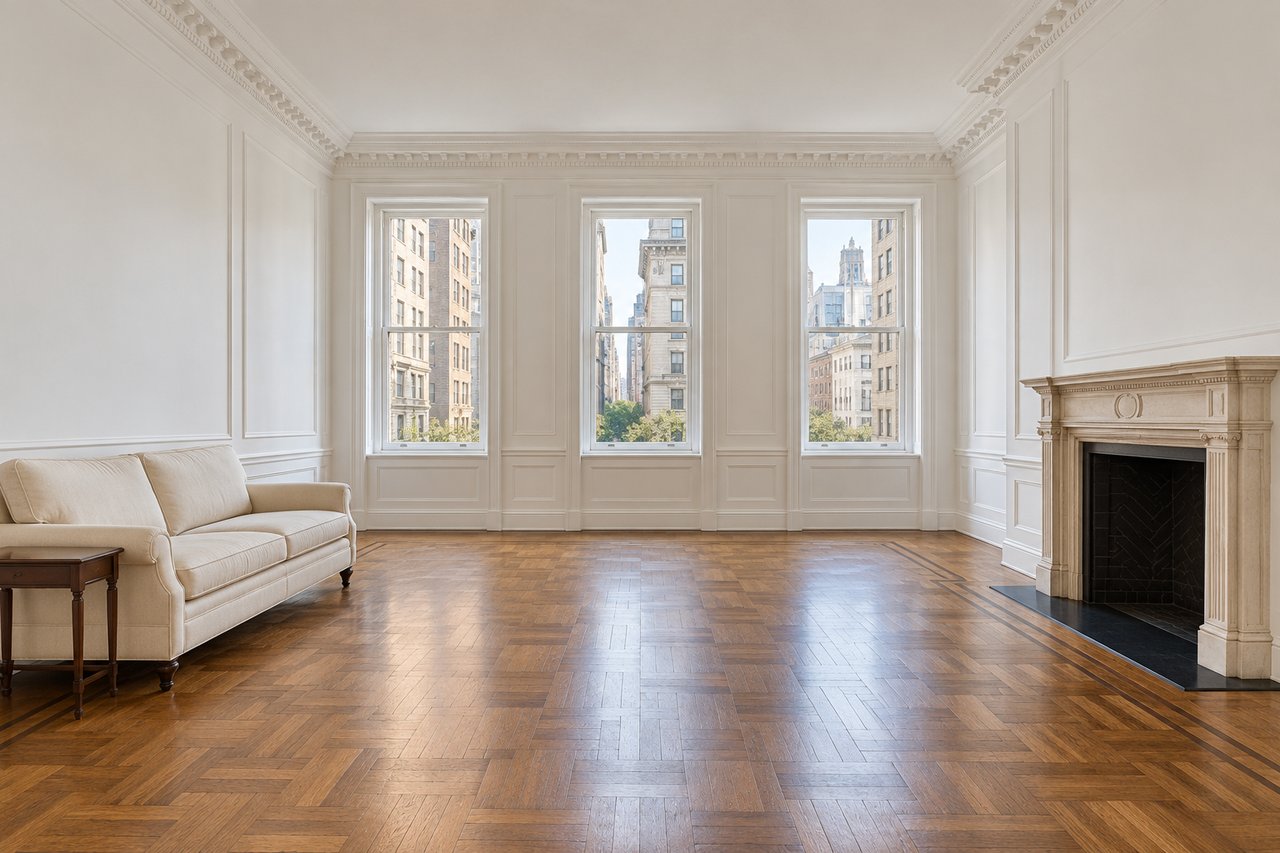
Photo of a One Wall Street Residence
A Neighborhood Changing Its Hours
A recent report from JLL helps explain why FiDi can feel so different throughout the day. More than 210,000 people work in the district, while approximately 46,000 live there. The office population still shapes its streets, and some blocks become noticeably quieter when the workday ends.
At the same time, the residential population is growing. According to JLL, office-to-residential conversions have already removed 3.4 million square feet of Downtown office inventory since March 2020. With more projects underway or planned, 22 conversions could remove approximately 12.2 million square feet in total.
Those numbers point to a substantial change, though they cannot tell you exactly what life will feel like outside a particular building. More residents can support the businesses people rely on after office hours and on weekends: grocery stores, cafés, restaurants, fitness studios, and everyday services.
Some of those conveniences are already in place. Depending on where you live, the Whole Foods at 66 Broadway could become your regular grocery stop. And for Seneca, Equinox on Wall Street has become more than a convenient place to work out:
“Working out at Equinox Wall Street is about more than the workout. The boxing community is welcoming and energetic, and I've gotten to meet and connect with so many people while training. It's become a second home.”
That is the difference between having amenities nearby and finding a community within the neighborhood. The question is how conveniently those places fit into your daily route. FiDi is changing, but every block is not changing at the same pace.
The Appeal Is More Than a Ranking
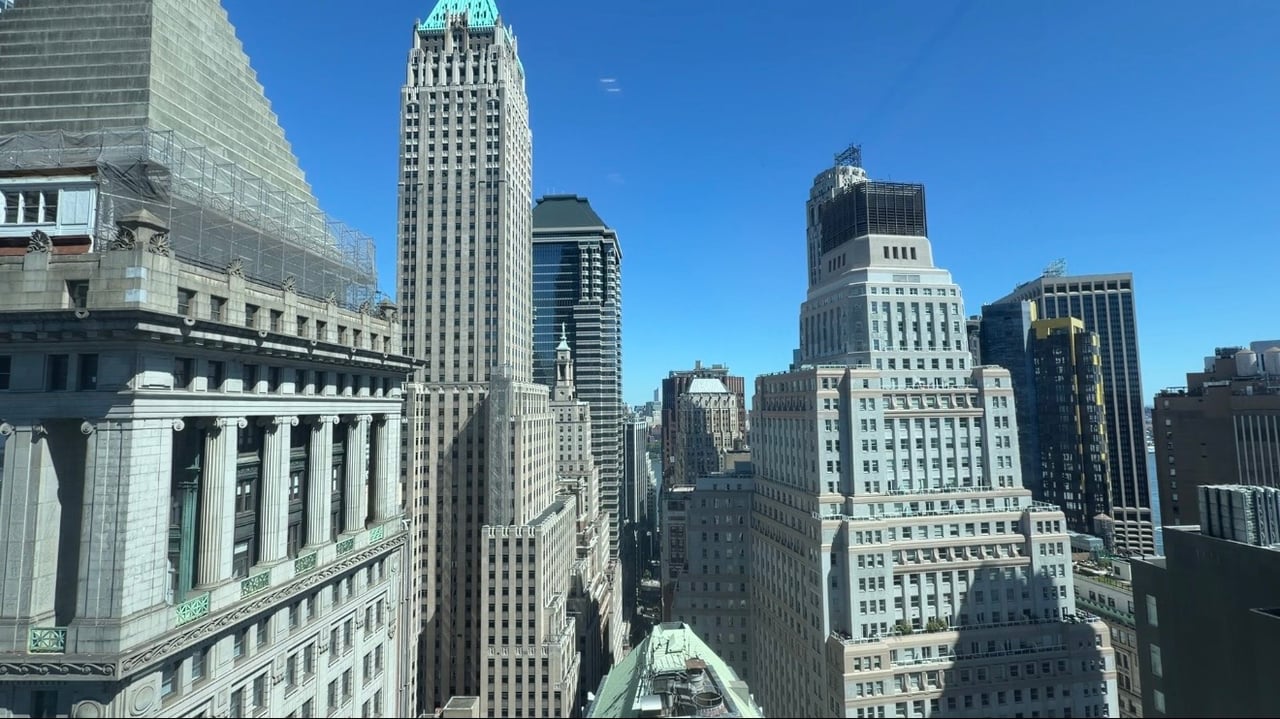
FiDi offers a combination that is hard to find elsewhere in Manhattan. Its winding cobblestone streets and historic buildings sit alongside landmarks that span centuries, from Trinity Church to the striking modern architecture of the Oculus. You have the waterfront, Battery Park, the restaurants and shops of the Seaport, extensive subway service, and ferry connections. Housing options range from converted buildings to newer full-service towers.
I’ll admit that FiDi’s appeal eluded me at first. But spending more time there, I can see a neighborhood defining its next chapter. It has the energy of a place where new businesses and new residents are arriving, while its history remains visible on the streets. And as Seneca reminded me, the quieter hours can be a pleasure rather than a problem.
That depends, of course, on where you are. “FiDi” describes several different daily experiences. A home near the Seaport will feel different from one near Wall Street, the World Trade Center, Battery Park, or the edge of Tribeca. Two apartments can be close on a map and offer very different routes home, weekend routines, and relationships to crowds.
That is why I would never judge the neighborhood from one open house on a sunny Saturday.
What I Would Do Before Buying
Walk the blocks around an apartment at the times you are most likely to use them: a weekday morning, a weekday evening, and a Sunday evening. Notice what is open, who is out, how the sidewalks feel, and whether you enjoy the walk home.
Then ask yourself a few practical questions:
Where would you buy groceries or pick up a prescription?
Which restaurants would you actually use on a weeknight?
Does the block feel peacefully quiet after work, or too empty for you?
How do visitors and events affect the streets you would use regularly?
Could nearby construction or conversions affect your light, views, or noise?
Does your commute work at the hours you will travel?
I would look just as carefully at the building, particularly if it is a conversion. Its finances, rules, condition, and day-to-day operation matter far more to your ownership experience than any neighborhood ranking.
So, Is FiDi Ready?
Yes—for buyers who want what FiDi already does well. Its history, waterfront, transit connections, and range of homes make it one of Manhattan’s most compelling places to live. And for someone like Seneca, the calm that follows the workday is part of what makes it special.
That does not mean every block will suit every buyer. FiDi’s transformation is still underway, and a promising future is no substitute for a comfortable daily life today.
The opportunity is to see the neighborhood clearly: where it is already a pleasure to live, where it is still catching up, and which version of FiDi feels like home to you.
Frequently Asked Questions About Living in FiDi
Is the Financial District a good place to live?
For many New Yorkers, yes. FiDi offers excellent transit connections, waterfront access, historic streets, and a range of residential buildings. The deciding factor is whether you enjoy its particular rhythm: busy during the workday and quieter on many blocks in the evening.
Does FiDi feel empty after work?
Some blocks become noticeably quieter when office workers leave. Others, particularly around restaurants and the Seaport, remain active. That quieter pace is a drawback for some people and one of the neighborhood’s best qualities for others. Visit the blocks around any apartment you are considering on a weekday evening and a Sunday night.
Are there grocery stores and everyday conveniences in FiDi?
Yes, though convenience depends on your exact address. Whole Foods at 66 Broadway is one option, and the district has fitness facilities, restaurants, cafés, and other daily services. Before buying, walk the route from the apartment to the places you expect to use regularly.
What kinds of apartments can buyers find in FiDi?
FiDi offers homes in converted office buildings as well as newer full-service towers. Buildings such as One Wall Street and 130 William occupy the luxury end of the market, while 80 John Street offers a different price point. Building condition, finances, rules, and monthly costs deserve careful attention wherever you look.
What should I check before buying in FiDi?
Start with the block. Visit at different times to understand noise, crowds, open businesses, and your route home. Then examine the apartment and building closely, including finances, rules, and any nearby construction that could affect light, views, or daily life.
Julia Boland is a Manhattan real estate advisor at Corcoran with more than 25 years of experience advising buyers and sellers of condos, co-ops, townhouses, and new development. She is the author of Buying Smart in NYC: An Insider's Guide to Condo & Co-op Buying (2026). Whether you're just starting to explore your options or ready to make a move, Julia and The Boland Team are here to help. Reach out at TheBolandTeamNYC.com or call (848) 200-1452.