By Julia Boland
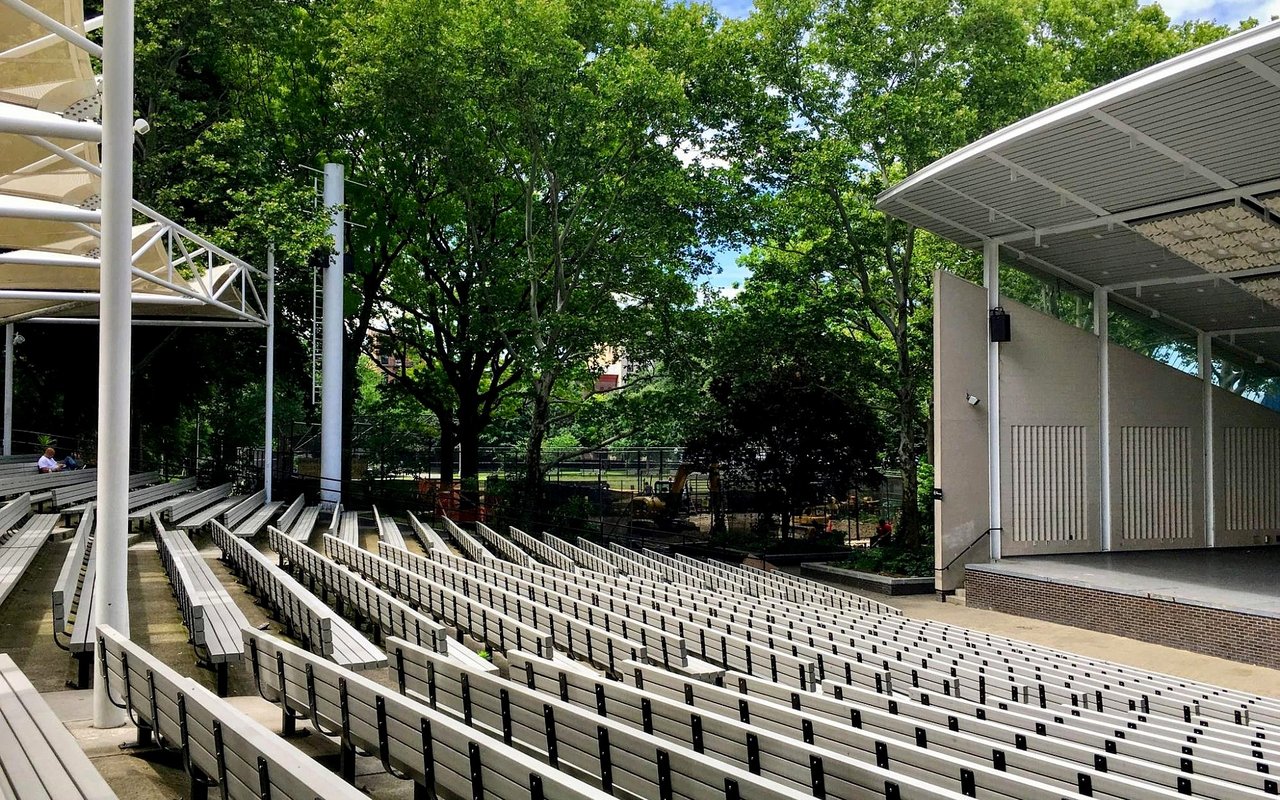
When I walk clients through Harlem, Mount Morris Park is one of the first places I like to stop and talk about history. The park (since renamed Marcus Garvey Park) has shaped the surrounding neighborhood for generations. Buyers who are drawn to this area often want to understand not only what they’re buying today, but the legacy they’re stepping into.
The history of Mount Morris Park helps explain why this part of Harlem feels grounded, intentional, and enduring.
Key Takeaways
-
Origins rooted in 19th-century planning
-
Architecture shaped by civic vision
-
Cultural and community significance
-
Ongoing influence on real estate value
The Park’s Origins in 19th-Century New York
Mount Morris Park was conceived during a period when New York City leaders recognized the importance of public green space. I often remind buyers that parks like this were intentional investments in livability, not afterthoughts.
Why the Original Vision Matters
-
City planning priorities: The park was designed to serve a growing residential population.
-
Natural topography: Its rocky outcrop influenced the final design rather than being flattened.
-
Public access goals: From the beginning, it was meant to be shared and central.
This early planning philosophy continues to influence how the surrounding blocks function today.
Naming and Early Identity
The park’s name reflects its early associations with local landowners and geographic features. Over time, its identity evolved along with Harlem itself.
Key Naming Milestones
-
Mount Morris designation: Linked to early landholders and the area’s elevated terrain.
-
Neighborhood recognition: The name helped anchor the surrounding residential district.
-
Enduring reference point: Even as the city grew, the park remained a constant.
When clients ask why this area feels cohesive, I often point back to these early identity markers.
Architectural Elements and Design Features
Unlike flatter parks in Manhattan, this one embraces elevation. That choice shaped both the park and the buildings around it.
Design Choices That Stand Out
-
Rock formations: Preserved rather than removed, creating a visual distinction.
-
Curved pathways: Designed to follow the natural contours of the land.
-
Sightlines: Elevated areas offer a rare perspective within Manhattan.
These features reinforce the fact that the history of Mount Morris Park is inseparable from the neighborhood's physical experience.
The Park’s Role in Harlem’s Development
As Harlem developed, the park became a focal point for residential growth. I see this influence clearly when discussing property layouts and block patterns with buyers.
How the Park Shaped Growth
-
Residential clustering: Townhouses and small buildings oriented toward the park.
-
Architectural investment: Builders prioritized quality near the green space.
-
Community gravity: The park acted as a social and geographic anchor.
Properties closest to the park still reflect this early emphasis on prominence and permanence.
Renaming and Modern Recognition
In the late 20th century, the park was officially renamed Marcus Garvey Park in honor of an important historical figure. Both names continue to be used locally, reflecting layered history.
Why the Dual Identity Matters
-
Historical acknowledgment: The renaming recognized cultural legacy.
-
Local usage patterns: Many residents still reference Mount Morris Park.
-
Preserved continuity: The park’s physical identity remained intact.
This dual naming reinforces the idea that history here is additive, not erased.
Preservation and Ongoing Care
Preservation efforts have helped maintain the park’s original character while adapting it for modern use. I often explain to buyers that this balance mirrors the surrounding real estate market.
Preservation Priorities
-
Landscape maintenance: Respecting original design while improving usability.
-
Structural updates: Restoring features without altering intent.
-
Community involvement: Local advocacy supporting long-term care.
These efforts help ensure the park remains a stabilizing force for property values.
How History Influences Real Estate Today
From a real estate perspective, history isn’t abstract. It directly influences buyer behavior, pricing, and long-term confidence.
Real Estate Impacts I See Regularly
-
Architectural consistency: Protected streets attract preservation-minded buyers.
-
Limited change risk: Buyers value predictability around the park.
-
Emotional connection: History adds meaning beyond square footage.
The history of Mount Morris Park helps explain why demand here remains steady across market cycles.
FAQs
Why is Mount Morris Park historically significant?
It represents early urban planning that prioritized green space and community. Its design and placement influenced Harlem’s development.
Does the park’s history affect nearby property values?
Yes, historic context and preservation support long-term demand and stability. Buyers often see it as an asset.
Why do people still use the original park name?
Local tradition and historical continuity keep the name in use alongside its official designation.
Contact Julia Boland Today
If you’re exploring Harlem real estate, understanding local history can completely change how you see a property. I help clients connect architectural details, neighborhood layout, and long-term value by grounding decisions in context rather than just comps. That approach leads to smarter, more confident moves.
Reach out to me at The Julia Boland Team, and I’ll help you explore opportunities shaped by The History of Mount Morris Park and the enduring appeal of this remarkable part of Harlem.
Reach out to me at The Julia Boland Team, and I’ll help you explore opportunities shaped by The History of Mount Morris Park and the enduring appeal of this remarkable part of Harlem.