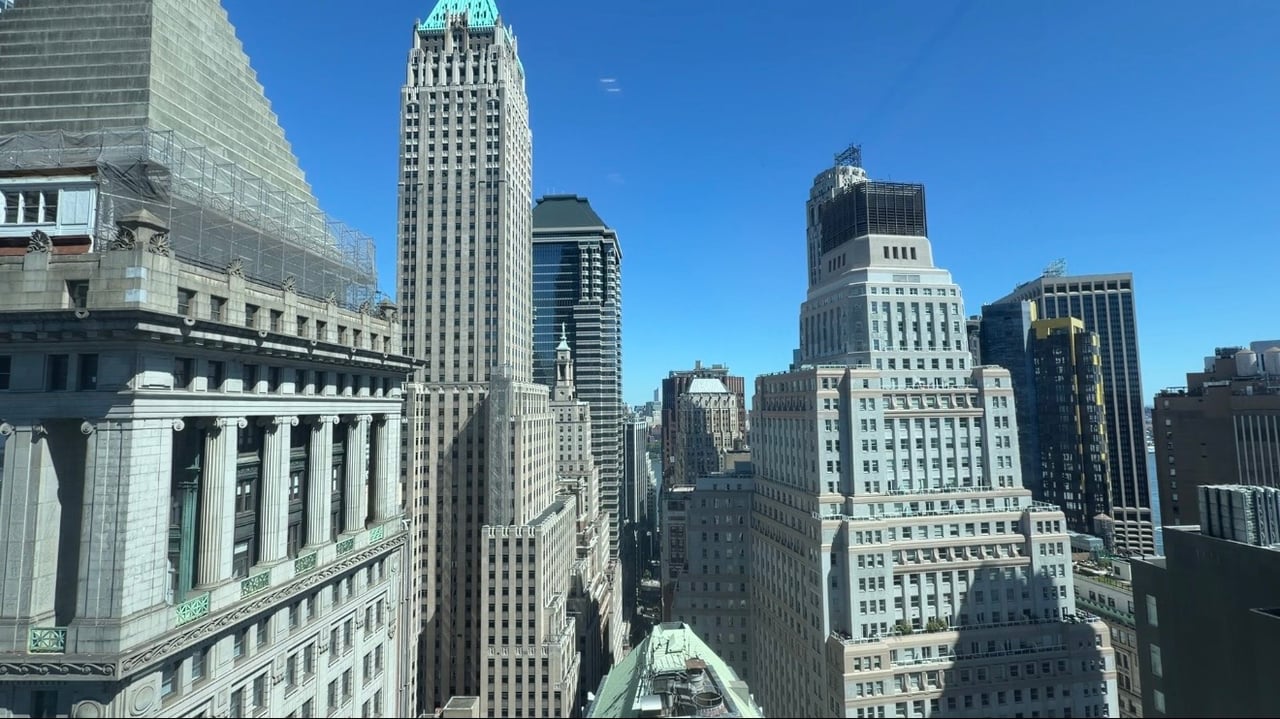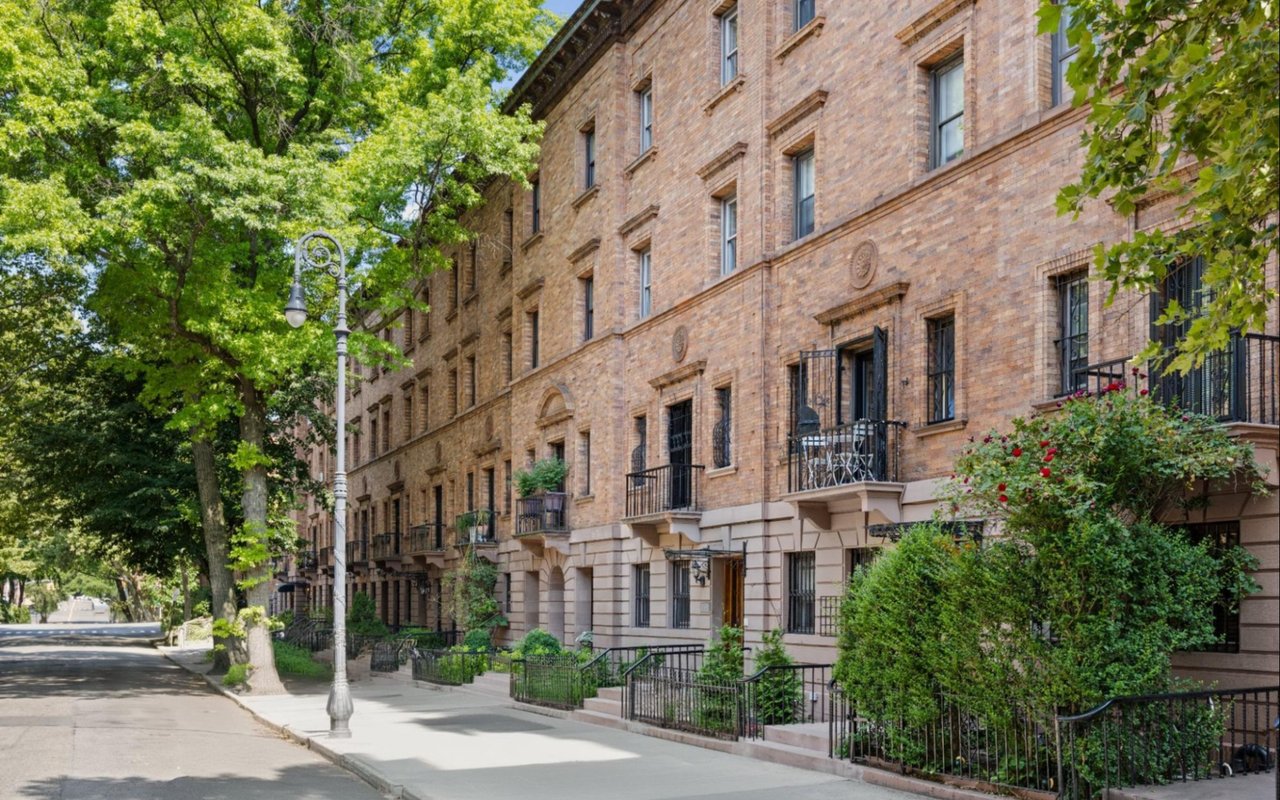
Buying a home in New York City is unlike buying real estate anywhere else in the country—and that distinction shapes how you should approach a home inspection. Buyers who have purchased houses in other markets often feel exposed entering a transaction without one, but in NYC most condo and co-op buyers don’t hire an inspector at all. The reason is simple: the majority of the systems that concern buyers elsewhere—roofs, boilers, plumbing stacks, foundations, drainage—aren’t owned by the apartment owner. They’re owned and maintained by the building.
As a condo or co-op owner, you’re typically responsible only for what’s inside the four walls of your apartment: appliances, internal fixtures, surfaces, and sometimes your individual HVAC system. Because the big-ticket mechanicals and structural elements fall under the building’s purview, an inspection often offers less value than buyers expect. Instead, your attorney’s due diligence and your agent’s experience and knowledge of the building become far more important. Board minutes, financial statements, reserve levels, capital plans, engineering reports, and the building’s long-term maintenance history provide deeper insights than most inspectors can glean during a single visit.
Still, in recent years, more buyers have begun opting for inspections—not because the risks have changed, but because today’s buyers want clarity and confirmation. And in certain situations, an inspection can be genuinely valuable. If an apartment has its own mechanical systems—such as a dedicated HVAC unit, water heater, or boiler—understanding the age and condition of those systems is essential. Any repair or replacement cost in that scenario belongs to you.
What a Home Inspection Really Covers in NYC
A home inspection in New York City is a top-to-bottom review of what is visible and accessible within the property, but what inspectors observe—and what matters most—depends heavily on the type of home you’re buying. Inside a condo or co-op, an inspector will walk through the unit examining appliances, internal plumbing fixtures, electrical outlets, windows, flooring, and the overall condition of the walls and ceilings. They pay close attention to signs of leaks or past water damage, uneven floors, unusual drafts, shifting door frames, and anything else that may point to movement within the building or issues with neighbors above or below you. Even though these components belong to your private space, they often reveal far more about the building’s maintenance practices.
If the apartment includes individual mechanical systems—such as its own HVAC unit or water heater—an inspection becomes essential. In these cases, the inspector will evaluate the equipment’s condition, performance, and remaining lifespan. Replacing these systems in New York City can be costly due to access limitations, labor requirements, and the need to coordinate with building management, so understanding what you’re inheriting is critical before you commit.
What an inspector cannot always evaluate, however, are the very systems buyers tend to care about most. Many co-ops and condos restrict third-party access to shared mechanical rooms, roofs, boilers, elevators, and plumbing risers. When access is allowed, it must be scheduled in advance through the super or managing agent, and even then, the inspector may not be permitted to touch or test certain equipment. This limitation is precisely why NYC due diligence relies so heavily on documentation. A building’s records often provide more revealing information than any physical inspection could uncover.
If the apartment includes individual mechanical systems—such as its own HVAC unit or water heater—an inspection becomes essential. In these cases, the inspector will evaluate the equipment’s condition, performance, and remaining lifespan. Replacing these systems in New York City can be costly due to access limitations, labor requirements, and the need to coordinate with building management, so understanding what you’re inheriting is critical before you commit.
What an inspector cannot always evaluate, however, are the very systems buyers tend to care about most. Many co-ops and condos restrict third-party access to shared mechanical rooms, roofs, boilers, elevators, and plumbing risers. When access is allowed, it must be scheduled in advance through the super or managing agent, and even then, the inspector may not be permitted to touch or test certain equipment. This limitation is precisely why NYC due diligence relies so heavily on documentation. A building’s records often provide more revealing information than any physical inspection could uncover.
Townhouses: A Completely Different Inspection
When it comes to townhouse or brownstone purchases, the inspection becomes essential—and extensive. Buyers of single-family homes in New York City are responsible for every component: the roof, the foundation, the facade, the plumbing and sewer line, the electrical system, the heating system, the chimneys and fireplaces, the basement slab, structural supports, and how the property drains and grades during heavy storms. Unlike a condo or co-op, there is no board or reserve fund to share these costs. Townhouse inspections often last two to three hours and result in highly detailed reports. In this category, skipping an inspection isn’t just unwise—it’s financially dangerous.
Understanding Structure and Exterior Conditions
Because much of New York’s housing stock is prewar or several decades old, structural and exterior considerations play a significant role in evaluating a property. Even within an apartment, visible signs can point to broader building issues. A crack in the plaster, a stain on a ceiling, or a draft at a window can signify roof leaks, facade problems, settlement, or ongoing water intrusion somewhere in the building. Inspectors may notice subtle clues—a slightly out-of-level floor, a door that won’t close perfectly, or discoloration in a corner—that signal a history of movement or moisture.
In condos and co-ops, these observations must be placed in context. Are similar issues mentioned in the board minutes? Has the building completed recent facade work under Local Law 11? Is there an upcoming roof replacement? How well-funded is the reserve account? Have engineers noted any long-term projects on the horizon? These questions are central to understanding not just the apartment you’re buying, but the building you are joining.
Townhouses require an even closer examination of exterior components. Roof membranes, parapet walls, lintels, foundations, and masonry conditions all affect long-term maintenance, safety, and cost. In historic districts, restoration requirements may also come into play, adding another layer of complexity for owners.
In condos and co-ops, these observations must be placed in context. Are similar issues mentioned in the board minutes? Has the building completed recent facade work under Local Law 11? Is there an upcoming roof replacement? How well-funded is the reserve account? Have engineers noted any long-term projects on the horizon? These questions are central to understanding not just the apartment you’re buying, but the building you are joining.
Townhouses require an even closer examination of exterior components. Roof membranes, parapet walls, lintels, foundations, and masonry conditions all affect long-term maintenance, safety, and cost. In historic districts, restoration requirements may also come into play, adding another layer of complexity for owners.
Plumbing, Electrical, and HVAC Evaluation
New York City’s buildings span centuries, which means plumbing, electrical, and HVAC systems vary widely. An inspector will test water pressure, evaluate visible pipes, note any outdated materials (such as galvanized steel), check drainage flow, and look for signs of recurring leaks. Plumbing issues inside one unit sometimes reflect building-wide conditions—information that becomes important during negotiation and attorney due diligence.
Electrical systems may also reveal the building’s history. Prewar homes occasionally contain outdated wiring or older breaker panels. Limited circuits or two-prong outlets may not meet the needs of modern living. Inspectors test grounding, evaluate panel capacity, and identify visible wiring issues that could affect safety or functionality.
For HVAC, inspectors look at age, efficiency, duct conditions, and overall performance. Replacing HVAC units in NYC can be significantly more costly than in suburban markets, often requiring crane access, specialized labor, or coordination with building management—making this portion of the inspection particularly valuable.
Electrical systems may also reveal the building’s history. Prewar homes occasionally contain outdated wiring or older breaker panels. Limited circuits or two-prong outlets may not meet the needs of modern living. Inspectors test grounding, evaluate panel capacity, and identify visible wiring issues that could affect safety or functionality.
For HVAC, inspectors look at age, efficiency, duct conditions, and overall performance. Replacing HVAC units in NYC can be significantly more costly than in suburban markets, often requiring crane access, specialized labor, or coordination with building management—making this portion of the inspection particularly valuable.
Building-Wide and Neighborhood Considerations
In a co-op or condo, the health of the building itself is just as important as the condition of the apartment. Understanding elevator servicing, roof age, plumbing risers, boiler systems, facade maintenance history, and overall capital planning is essential. Your attorney and agent help interpret these clues by reviewing financial statements, board minutes, engineering reports, and disclosures alongside inspection findings.
Neighborhood conditions add another layer. Some areas of Manhattan and Brooklyn have older sewer systems that can contribute to basement flooding. Waterfront neighborhoods may require more robust waterproofing. Construction-heavy corridors can impact noise, air quality, and long-term value. All of these factors influence your experience as an owner.
Neighborhood conditions add another layer. Some areas of Manhattan and Brooklyn have older sewer systems that can contribute to basement flooding. Waterfront neighborhoods may require more robust waterproofing. Construction-heavy corridors can impact noise, air quality, and long-term value. All of these factors influence your experience as an owner.
Interpreting the Report and Planning Your Next Steps
Every inspection report—especially in New York City—will contain findings. The goal is not to achieve a flawless report but to understand what is urgent, what can wait, what is typical for buildings of that age, and what might meaningfully affect your offer strategy. Your attorney and agent will help you determine which issues are significant enough to renegotiate and which are simply part of city living.
Some buyers opt for follow-up inspections with specialists, such as structural engineers or environmental experts, depending on what the initial report uncovers. The goal is always the same: to close with clarity and confidence, knowing exactly what you’re buying.
Some buyers opt for follow-up inspections with specialists, such as structural engineers or environmental experts, depending on what the initial report uncovers. The goal is always the same: to close with clarity and confidence, knowing exactly what you’re buying.
Achieve Your Real Estate Goals with The Boland Team
A home inspection in NYC is not just a checklist—it’s context. Understanding what is yours, what belongs to the building, what’s normal, and what’s a genuine concern requires a level of expertise that goes beyond a single site visit. My job is to help you interpret the entire picture: the apartment, the building, the systems, the documentation, and the long-term realities of ownership.
If you’re planning to start your search or you’ve already found a property, reach out to The Boland Team. I’ll make sure your home inspection before buying gives you the insight and assurance you need to make the right move in New York City.
If you’re planning to start your search or you’ve already found a property, reach out to The Boland Team. I’ll make sure your home inspection before buying gives you the insight and assurance you need to make the right move in New York City.
FAQ: Home Inspections When Buying a Condo, Co-op, or Townhouse in NYC
Do you need a home inspection when buying a condo or co-op in NYC?
Not always. Most condo and co-op buyers in New York City do not get a traditional home inspection because the major building systems—roof, boiler, plumbing risers, foundation, and facade—are owned and maintained by the building, not the individual unit owner. Your attorney’s due diligence and your agent’s building knowledge often provide more insight than an inspector can.
What does a home inspection cover in a NYC apartment?
An inspector focuses on the interior of the unit: appliances, electrical outlets, plumbing fixtures, windows, heating distribution, flooring, and signs of leaks or prior water damage. If the unit has its own mechanicals—like an HVAC system or water heater—those are also evaluated because the owner is responsible for them.
Can inspectors access building-wide systems like roofs or boilers?
Sometimes. Many co-ops and condos restrict access to shared mechanical rooms, roofs, and common electrical panels. Even when access is allowed, it must be scheduled in advance through the super or managing agent. This is why attorney due diligence is critical in NYC.
Do I need an inspection for a townhouse or brownstone?
Yes—always. Townhouse buyers are responsible for the entire building, including the roof, foundation, plumbing and sewer line, electrical system, chimneys, and drainage. Townhouse inspections often last several hours and result in highly detailed reports. Skipping one could mean missing costly issues.
Are older NYC buildings riskier to buy?
Older buildings aren’t necessarily riskier, but they do require context. Prewar homes often have solid construction but may contain older wiring, aging plumbing, or historic materials that need maintenance. A thorough inspection helps you understand what’s normal versus what’s a red flag.
What common problems do NYC inspectors find?
Buyers commonly see issues like uneven floors, moisture stains, drafty windows, older electrical panels, outdated appliances, and evidence of past leaks. In townhouses, foundation movement, roof wear, chimney issues, and aging mechanicals are frequent findings.
Can I renegotiate after the inspection?
Yes but it is easier if you have not already signed the purchase contract. Depending on what the inspection reveals, buyers can request repairs, credits, or a price adjustment. Your agent will help determine what is reasonable and typical for your building type and neighborhood.
How does attorney due diligence relate to the inspection?
In NYC, attorney due diligence is often more important than the physical inspection. Your attorney reviews the building’s financials, minutes, capital plans, engineering reports, reserve fund levels, insurance coverage, and any history of leaks or structural issues. Together, this provides a full picture of the building's health.
What if my inspector finds water damage?
Water damage in NYC apartments can stem from many sources: upstairs neighbors, facade issues, roof leaks, or internal plumbing. The key is determining whether it’s an isolated event or part of a recurring pattern. Your attorney and agent will help investigate further through building records and disclosures.
How much does a home inspection cost in NYC?
Prices vary by property type. Inspections for condos and co-ops typically range from $500 to $1,500 depending on size and complexity. Townhouse inspections are more involved and often cost $1,500 to $3,500, sometimes more for landmark or historic properties.
Is a new development condo inspection necessary?
No. New construction units may have punch-list items such as cosmetic defects, minor electrical issues, or improperly sealed windows. The developer is responsible for addressing punch list items.
When should I schedule the inspection?
Inspections typically occur after your offer is accepted and before you sign the contract. In townhouse transactions, an inspection is almost always completed before contract signing. In condos and co-ops, buyers sometimes choose to conduct more limited inspections or skip them entirely.
Can a bad inspection kill a deal?
It can—but usually only in townhouses or apartments with individual mechanical failures. In co-ops and condos, inspection findings typically inform future maintenance planning more than contract negotiations. Your agent will help you determine what’s material.