By Julia Boland
When clients ask me where classic New York townhouse living still feels intact, Carnegie Hill is one of the first neighborhoods I bring up. The streets are calm, the architecture is consistent, and ownership here feels deliberate rather than transactional. I’ve worked with buyers across Manhattan, and this area consistently attracts people who want long-term value paired with a residential experience that hasn’t been diluted.
Townhouses in Carnegie Hill offer a specific kind of ownership that appeals to buyers who think beyond the next market cycle.
Key Takeaways
-
Limited and protected inventory
-
Strong long-term buyer demand
-
Residential scale and privacy
-
Consistent architectural character
Why Carnegie Hill Feels Different
Carnegie Hill sits at the northern edge of the Upper East Side, and that positioning matters. I often explain to buyers that this area operates at a slightly different pace than neighborhoods farther south.
What Defines the Neighborhood Feel
-
Wide, residential streets: Blocks feel quieter and more intentional.
-
Architectural continuity: A consistent rhythm of townhouses and small buildings.
-
Park adjacency: Proximity to Central Park and smaller neighborhood green spaces.
This environment plays a major role in why townhouse ownership here feels more personal and less transient.
Architectural Character and Streetscape
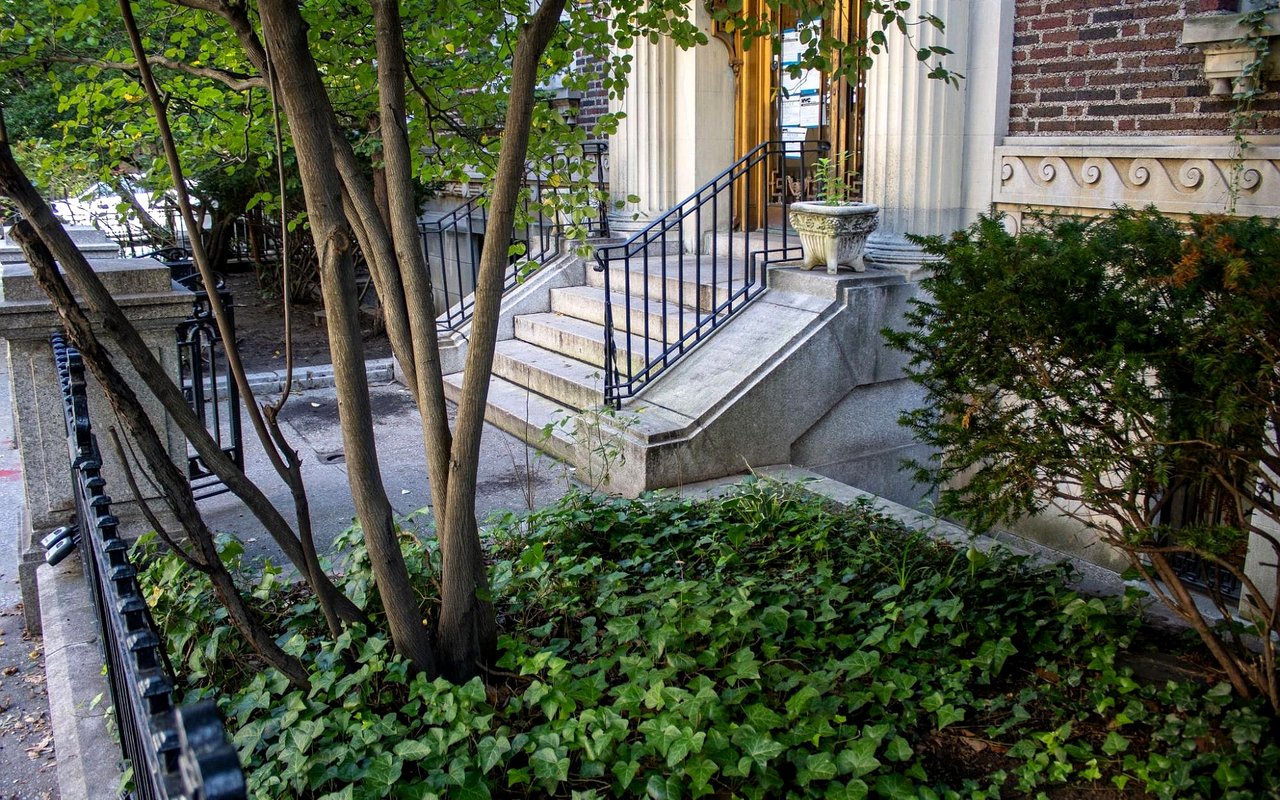
The architectural integrity of Carnegie Hill is one of its strongest assets. I point out to clients that you don’t see abrupt changes in scale or style from block to block.
Architectural Details Buyers Notice
-
Late 19th- and early 20th-century facades: Limestone, brick, and brownstone materials.
-
Consistent cornice lines: Creating visual harmony across the street.
-
Proportional layouts: Homes designed for livability, not compression.
This consistency supports long-term value and makes the neighborhood visually predictable in the best way.
Who Buys Townhouses Here
Buyers looking at townhouses in Carnegie Hill tend to be intentional and informed. I see fewer speculative purchases and more buyers thinking about how a home fits into their life for years to come.
Common Buyer Priorities
-
Privacy: Single-family living within Manhattan.
-
Space: Full-floor width and multi-level layouts.
-
Control: Ownership without shared walls or boards.
Many of my clients compare this area to downtown neighborhoods and ultimately choose Carnegie Hill for its balance and stability.
Inventory and Market Dynamics
Inventory in this neighborhood is limited by design. I always make sure buyers understand that opportunities here don’t come up frequently.
What Drives Scarcity
-
Few townhouses overall: The housing stock is finite.
-
Low turnover: Owners tend to hold properties longer.
-
Protected streetscapes: Limited opportunity for replacement inventory.
This scarcity supports steady demand and helps insulate values over time.
Renovation Considerations
Renovations are common, but they’re approached thoughtfully. I advise buyers to think about updates as stewardship rather than transformation.
Renovation Factors to Know
-
Exterior oversight: Many streets are subject to historic guidelines.
-
Interior flexibility: Significant freedom to modernize systems and layouts.
-
Documentation importance: Proper approvals are required for resale.
Done correctly, renovations enhance livability while preserving what buyers value most.
Lifestyle and Day-to-Day Living
Living here feels residential in a way that surprises many first-time buyers. I often hear clients say the neighborhood feels calmer than they expected.
What Residents Appreciate
-
Walkability: Easy movement without constant congestion.
-
Cultural access: Museums, dining, and services nearby.
-
Neighborhood rhythm: A pace that feels grounded and consistent.
That daily experience is a significant part of the appeal.
Long-Term Value Perspective
From a market standpoint, this area has shown resilience across cycles. I help clients understand why that matters when committing to a townhouse purchase.
Factors Supporting Stability
-
Architectural scarcity: Replacement cost is exceptionally high.
-
Buyer depth: Demand from both local and relocating buyers.
-
Ownership mindset: Fewer short-term sellers.
These dynamics continue to support confidence in townhouse ownership here.
How Carnegie Hill Compares to Other Areas
Buyers often ask me how this neighborhood compares to other townhouse markets. The answer usually comes down to balance.
Comparative Advantages
-
Less density than downtown: Without sacrificing access.
-
More cohesion than mixed-use areas: Fewer abrupt transitions.
-
Stronger residential identity: Clear neighborhood definition.
For many, this combination is hard to find elsewhere in Manhattan.
FAQs
Are townhouses in Carnegie Hill hard to find?
Yes, inventory is limited, and turnover is low. Buyers need to be prepared to act when opportunities arise.
Do these homes require significant renovation?
Some do, others are turnkey. The key is understanding the scope and long-term plans before purchasing.
How does pricing compare to other Upper East Side areas?
Pricing reflects scarcity and demand, often holding steady relative to broader market shifts.
Contact Julia Boland Today
If you’re considering buying or selling a townhouse in Manhattan, neighborhood nuance matters. I spend a lot of time advising clients on how location, inventory, and long-term value intersect, especially in areas where opportunities are limited and competition is informed.
Reach out to me at The Julia Boland Team, and I’ll help you find opportunities for townhouses in Carnegie Hill.
Reach out to me at The Julia Boland Team, and I’ll help you find opportunities for townhouses in Carnegie Hill.