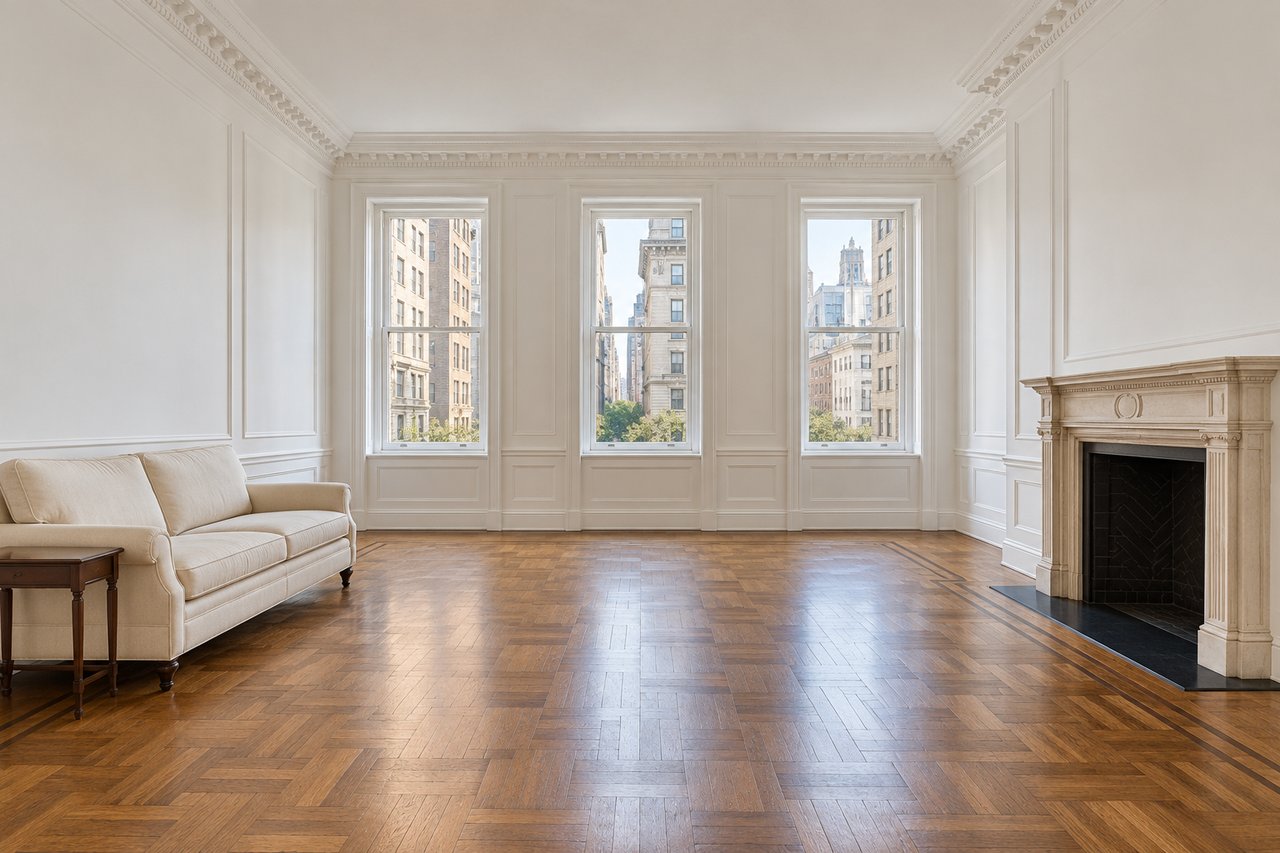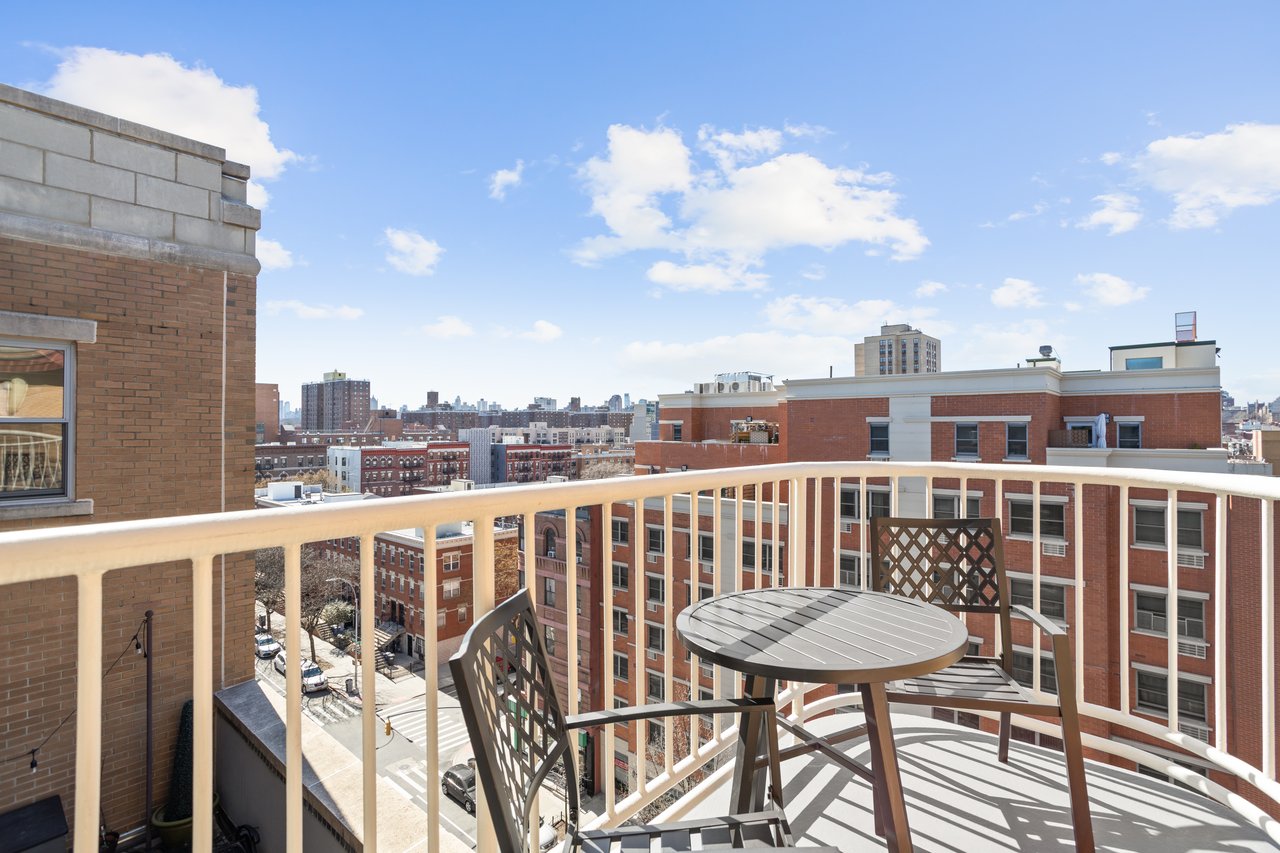
I was struck recently by a conversation with a colleague. I suggested he show my new listing, a beautifully renovated two-bedroom, two-bathroom top-floor apartment with a balcony, priced at just $499,000 and the response was immediate: their buyer had already dismissed the neighborhood as “not safe.”
That moment stayed with me, because it reflects one of the most common, and most limiting assumptions buyers bring into the New York City market. People talk about neighborhoods as if they are a single, uniform experience. They’re not.
New York is a city built block by block. And each block has its own rhythm, its own patterns, and its own reality.
The Limits of “Neighborhood” Thinking
It’s natural to want simple answers. Buyers often ask, “Is this neighborhood safe?” It feels like a logical question. But in New York, it’s also one that agents cannot answer directly.
Fair housing laws prohibit agents from making subjective claims about safety, because those statements can influence housing decisions in ways that intersect with protected characteristics. What we can do is guide you to objective resources so you can evaluate current and historical data yourself such as: https://www.nyc.gov/site/nypd/stats/crime-statistics/compstat.page
And that’s exactly the point. Because once you begin looking at real data and, more importantly, real streets you quickly see that a “neighborhood” is far too broad a lens. Two addresses just a few blocks apart can feel entirely different.
What Actually Changes From Block to Block
In a city as dense and layered as New York, the experience of a block is shaped by a combination of factors that rarely get discussed in broad neighborhood narratives.
Street life
Some blocks are active and energized, with storefronts, foot traffic, and a steady flow of people throughout the day. Others are quieter and more residential. Neither is inherently better but they offer very different lifestyles.
Building quality and upkeep
Well-maintained buildings with proper lighting, secure entry, and active management—can dramatically influence how a block feels. The difference between a well-cared-for stretch and a neglected one is often immediate and visible.
Proximity to parks
A park can be a major asset, offering light, greenery, and open space. But even here, nuance matters. The exact entrance, the level of activity, and the programming all shape the experience of the surrounding blocks.
Transit access
Convenience comes with movement. Blocks near subway entrances or major bus routes tend to be more active, which can be a benefit or a drawback depending on your priorities.
Commercial corridors
Retail, restaurants, and services bring energy and visibility. But they also change the pace of a block compared to purely residential streets.
Time of day
Perhaps the most overlooked factor. A block that feels one way at 2 PM can feel entirely different at 9 PM. That’s why experienced buyers visit more than once and make a point of seeing it during the hours they’ll actually live their lives.
How to Evaluate a Block Like a Local
The most effective approach is also the simplest.
-
Walk the block.
-
Stand on it.
-
Look in both directions.
-
Then come back at a different hour.
Notice who is there. Dog walkers heading to the park. Commuters moving toward the subway. Neighbors sitting outside. Families coming and going from local shops. Look at the buildings. The lighting. The sidewalks. The entrances. These details will tell you far more than any neighborhood label ever could.
Then zoom out slightly. How does the block connect to the surrounding area? Is it near a commercial corridor or more isolated? What are the nearby anchor parks, schools, transit? This combination of micro and macro perspective is what gives buyers clarity.
Why This Matters Right Now
This isn’t just a philosophical point. It has real consequences for how buyers make decisions and what opportunities they may miss.
Right now, I have two listings that illustrate this perfectly:
-
1825 Madison Avenue, 9G — a renovated 2-bedroom, 2-bathroom with a balcony, top floor, priced at $499,000
-
1885 Lexington Avenue, 3E — a 3-bedroom, 1.5-bathroom, priced at $599,000
Both offer exceptional value by Manhattan standards. And yet, I regularly see buyers rule them out before ever stepping onto the block. Not because of the apartment. Because of an assumption about the “neighborhood.” That’s where the real disconnect happens.
To be clear, I am not making any claims about neighborhood safety. I am encouraging buyers to evaluate the block for themselves as both sellers have thoroughly enjoyed living in their homes over the years.
The Smarter Way to Buy in NYC
The block-by-block mindset isn’t just more accurate, it’s more useful. It allows you to make decisions based on what you will actually experience every day, rather than relying on reputation, headlines, or oversimplified narratives. And in a city like New York where micro-markets define value, that distinction is everything.
Because the buyers who understand this don’t just find better apartments. They find opportunities other buyers never even see.
Thinking About Buying?
If you’re starting your search, or if you’ve been relying on broad neighborhood filters, this is exactly where a more strategic approach makes a difference. If you’re serious about buying in NYC, start by understanding how the market actually works.
Explore more insights at TheBolandTeamNYC.com, and if you’re ready to take the next step, reach out directly at [email protected].
Because in New York, the advantage isn’t just information—it’s perspective.
Written by Julia Boland, a 25+ year NYC Real Estate Advisor specializing in Manhattan condos, co-ops, townhouses, and new development. She is the author of Buying Smart in NYC: An Insider’s Guide to Condo & Co-op Buying.
Frequently Asked Questions About NYC Neighborhoods and Buying Property
Is it safe to buy an apartment in Harlem or Upper Manhattan?
Safety is not something a real estate agent can define or guarantee. What I can advise is how to evaluate a location intelligently. In New York City, conditions vary block by block. The most effective approach is to review objective data—such as NYPD crime statistics—and spend time on the specific block at different times of day. Buyers who take this approach often develop a far more accurate understanding than those relying on broad neighborhood assumptions.
Why do NYC real estate agents avoid answering questions about safety?
Fair housing laws prohibit agents from making subjective statements about whether a neighborhood is “safe” or “unsafe,” as those claims can influence housing decisions in ways that intersect with protected characteristics. Instead, agents provide objective resources and encourage buyers to conduct their own due diligence.
What does “block-by-block” mean in New York City real estate?
It means evaluating the exact street and immediate surroundings of a property, rather than relying on general neighborhood reputations. In Manhattan, two apartments just a few blocks apart can offer completely different living experiences depending on factors like street activity, building condition, proximity to transit, and nearby amenities.
How can I evaluate a NYC block before buying?
Start by visiting in person—more than once. Walk the block, observe the buildings, lighting, and street activity, and pay attention to who is using the space and how. Then return at a different time of day, especially during the hours you expect to be coming and going. Supplement this with objective data such as crime maps, transit access, and proximity to parks and services.
Why are some Manhattan apartments priced lower than expected?
Pricing in NYC reflects a combination of factors, including building type (co-op vs. condo), financial requirements, location nuances, and buyer demand. Sometimes, properties that appear undervalued are simply located in areas that buyers misunderstand or overlook. This is where a more nuanced, block-by-block perspective can reveal opportunities.
Is buying in an “up-and-coming” neighborhood a good investment?
It can be, but only if you understand what is actually driving change in that specific area. Broad labels like “up-and-coming” are often oversimplified. A more reliable strategy is to look at tangible factors: new development, infrastructure improvements, retail expansion, and consistent buyer demand at the block level.
What’s the biggest mistake NYC buyers make when choosing a neighborhood?
Relying on reputation instead of firsthand experience. Many buyers eliminate strong options based on assumptions about a neighborhood without ever visiting the specific block. In a city as nuanced as New York, that approach can lead to missed opportunities.
Should I prioritize price or location when buying in NYC?
It’s rarely a binary decision. The more sophisticated approach is to understand how micro-location impacts value. A well-positioned apartment on a strong block—even within a broader neighborhood that some buyers overlook—can offer both lifestyle benefits and long-term value.
How important is visiting a property at different times of day?
It’s critical. A block can feel entirely different in the morning, afternoon, and evening. Experienced buyers make a point of visiting during the times they expect to be out and about, as this gives a more realistic sense of daily life.