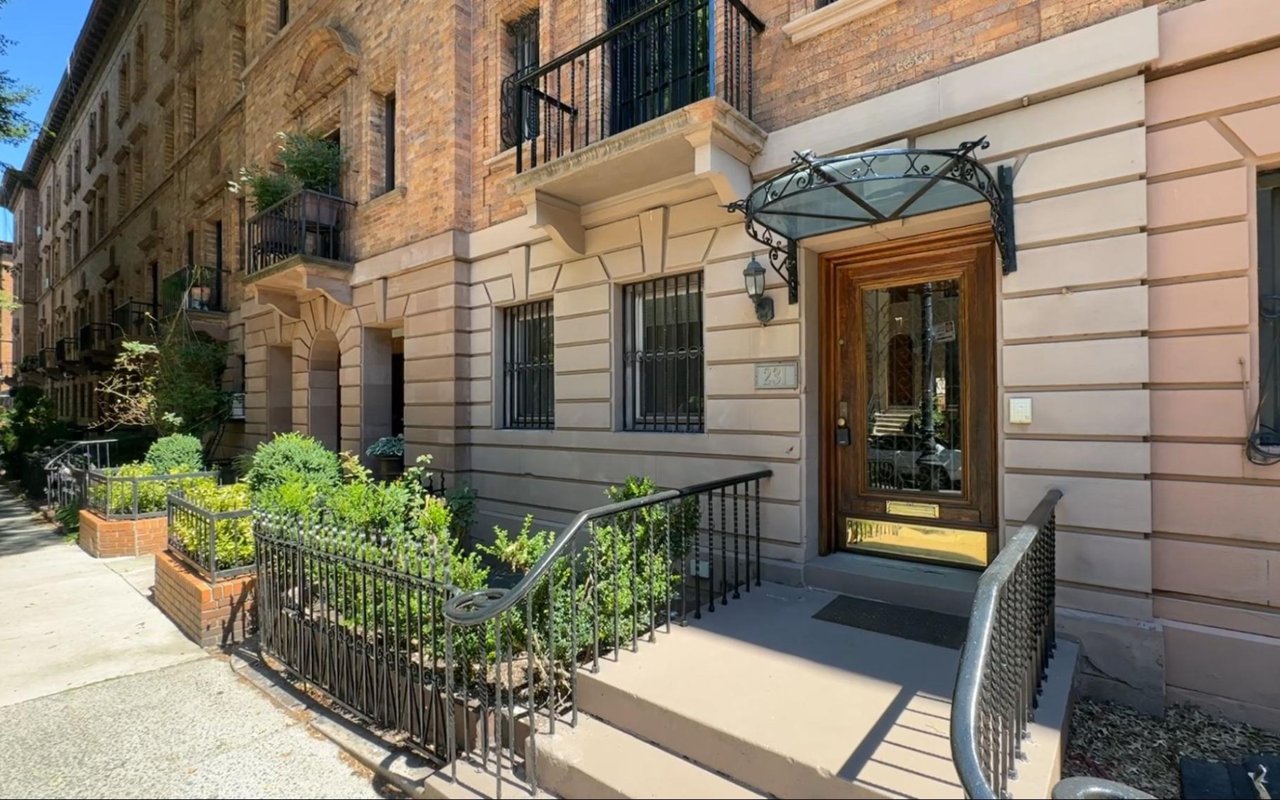
As a Harlem real estate agent, one of my greatest joys is guiding people through the process of buying their first brownstone. These iconic townhouses define much of Harlem’s architectural character, with their stately facades, ornate details, and historic charm. However, purchasing one can feel overwhelming for beginners because the process involves unique considerations compared to buying a condo or co-op.
In this guide, I’ll share what you need to know about buying brownstone property in Harlem so you can make confident, informed decisions.
Understand What Makes a Brownstone Unique
When buying brownstone property, it’s important to know that you are purchasing not just square footage but also craftsmanship and history. Each home tells a story, and no two are exactly alike. For beginners, this means paying close attention to the condition of both the structure and the original details. A careful eye and a thorough inspection will help you understand the property's actual value and future potential.
Determine Your Budget Early
I advise my clients to factor in not just the purchase price but also renovation costs, if applicable. Some brownstones are move-in ready with modern updates, while others may require significant work. Knowing what you’re comfortable spending upfront will keep you focused on properties that make sense for you. Lenders familiar with brownstone financing can also help you understand your borrowing power.
Single-Family vs. Multi-Family Configurations
If you’re a first-time buyer, multi-family brownstones can be appealing because rental income can help offset expenses. On the other hand, single-family homes provide more privacy and a cohesive living experience. The choice comes down to how you envision living in the property and your long-term goals. I’ve worked with clients who transformed multi-family setups back into single-family homes and those who preferred to maintain the income stream.
Understand Harlem’s Blocks and Neighborhoods
For beginners, I recommend spending time walking through the neighborhoods. Seeing how the homes line up on the blocks, the style of the architecture, and the atmosphere of the streets gives you insight into where you’ll feel most comfortable. A brownstone on West 139th Street, for example, will offer a different context than one closer to Lenox Avenue.
The Importance of Historic Details
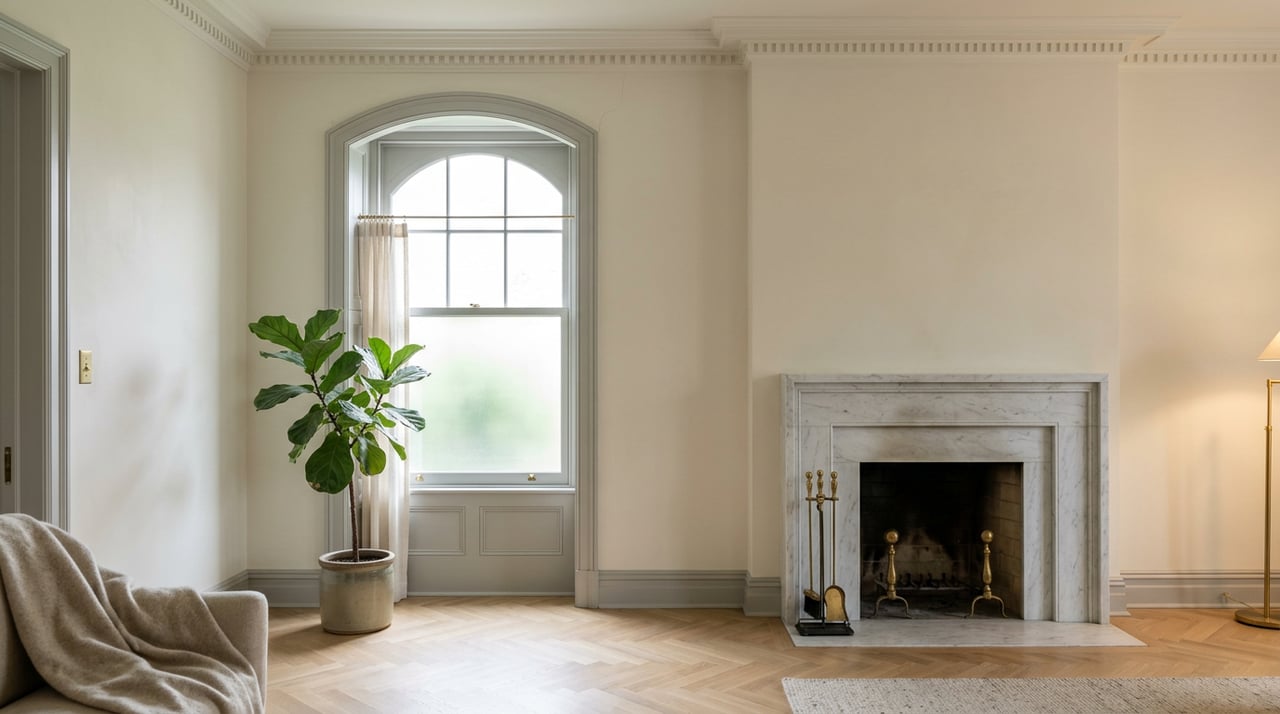
When buying brownstone property, however, you should consider the condition of these features. Restoring original details can be rewarding but also costly. Some homes have had their interiors stripped during past renovations, while others remain pristine. Knowing which details matter most to you helps guide your search and ensures you invest in a property that feels authentic.
Inspections and Structural Considerations
I recommend working with inspectors who are familiar with Harlem brownstones specifically. They understand how to identify structural concerns unique to these buildings, like issues with stoops, garden levels, or rear extensions. Getting clear insight during this stage protects your investment and helps you plan for future improvements.
Navigate Financing Options
For beginners, working with lenders who have experience in Harlem’s brownstone market is invaluable. They understand the nuances and can guide you toward products that fit your goals. Whether you’re financing a single-family brownstone or a multi-family with income potential, clarity on financing helps ensure a smoother purchase process.
Partner with the Right Professionals
Over the years, I’ve built strong relationships with professionals who know the Harlem brownstone market inside and out. This support makes the process less overwhelming and ensures you’re not missing important details. A trusted team is one of the most valuable assets when buying brownstone property for the first time.
Work with Julia Boland and The Boland Team for Your Harlem Real Estate Goals
When you're ready to make your mark in New York City's dynamic real estate market, reach out to us at The Boland Team.
Frequently Asked Questions About Buying a Brownstone in Harlem
What is considered a brownstone in Harlem?
A brownstone typically refers to a townhouse built in the late 1800s to early 1900s, often constructed with brown sandstone or similar masonry. In Harlem, brownstones are multi-level townhouses known for ornate facades, carved staircases, original fireplaces, high ceilings, and distinctive stoops.
Are brownstones in Harlem good investments?
Yes. Harlem brownstones have shown strong long-term appreciation due to architectural scarcity, neighborhood desirability, and limited supply. Landmark districts and strong community identity further support long-term value.
What is the price range for Harlem brownstones?
Prices vary widely depending on location, condition, depth, and configuration. Entry-level renovation projects may start in the low millions, while fully restored single-family townhouses in prime blocks can exceed $4M–$6M or more.
What’s the difference between a single-family and multi-family brownstone?
Single-family brownstones function as one residence across all floors. Multi-family brownstones are divided into rental units, offering the potential for income to offset expenses. Your choice depends on lifestyle goals, financing strategy, and long-term plans.
How much should I budget for renovations?
Renovations can range dramatically. Cosmetic updates may start around $100K–$250K, while full structural renovations can exceed $500K–$1M depending on scope. A detailed inspection is critical before purchasing.
Are Harlem brownstones usually landmarked?
Many brownstones in neighborhoods like Mount Morris Park, Strivers’ Row, and Hamilton Heights fall within historic districts. Landmark status protects the exterior architecture and impacts renovation approvals, particularly for facades, windows, and rooflines.
Can I modernize a landmark brownstone?
Yes. While exteriors require approval, interiors are typically unrestricted. Buyers routinely install modern kitchens, HVAC, rear glass extensions, and updated bathrooms in landmarked homes with appropriate approvals when needed.
What financing options are available for brownstones?
Financing depends on configuration. Single-family homes are financed with residential loans, while buildings with four or more units require commercial financing, typically with a 40% down payment. Working with lenders experienced in brownstones is essential.
Do I need a special inspector for a brownstone?
Yes. Brownstones require inspectors familiar with historical construction, foundations, roof conditions, mechanical systems, and masonry. Choosing the right inspector is critical to understanding long-term ownership costs.
Is Harlem safe for buyers?
Harlem is a vibrant, well-established community with strong residential life, cultural institutions, and neighborhood pride. Many buyers find the sense of community and walkable streets unmatched within Manhattan.
How do I choose the right Harlem block?
Block quality significantly affects value. Some streets offer architectural consistency, others offer proximity to transit or parks. Walking the neighborhood and working with a hyper-local agent helps identify the right fit.
Is buying a brownstone harder than buying a condo?
It’s different, not harder. Brownstones involve inspections, renovation considerations, and financing nuances that require local expertise. With the right guidance, the process is very manageable.
Why work with a Harlem townhouse specialist?
Each brownstone is unique. A specialist understands block-level pricing, renovation realities, zoning issues, and financing strategy—all of which are essential to making a smart purchase.
Who should I call if I want to buy a brownstone in Harlem?
When buying a Harlem brownstone, it’s critical to work with an advisor who lives in the neighborhood and understands townhouse ownership firsthand. Local expertise makes a meaningful difference.
Written by Julia Boland
24+ Year NYC Real Estate Advisor specializing in Harlem townhouses, brownstones, and landmark properties
📍 Harlem to Tribeca | ✉️ [email protected] | 🌐 TheBolandTeamNYC.com #TheBolandTeamNYC