If you are searching in East Harlem, one question can shape your whole strategy: should you focus on a new development condo or a classic walk-up? It is a real tradeoff, especially in a neighborhood where older housing stock still defines much of the streetscape while newer condo projects continue to add options. If you understand how price, monthly costs, building style, and block-by-block location work together, you can make a smarter decision with more confidence. Let’s dive in.
Why this comparison matters in East Harlem
East Harlem stands out because it offers a different value conversation than many other Manhattan neighborhoods. The city’s current East Harlem housing page says local planning has focused on preserving existing affordable housing, creating new affordable housing, improving access, and promoting economic opportunity.
That broader housing story helps explain why buyers often find themselves choosing between two very different paths. StreetEasy’s current neighborhood page lists East Harlem’s median sale at about $595,000 and describes it as one of Manhattan’s least expensive neighborhoods, while also noting that new development has slowly pushed values higher.
This is also a neighborhood with deep roots in older housing. In the 2018 East Harlem Housing Plan, the city described Community District 11 as having one of New York City’s largest concentrations of rent-regulated housing and more than 15,000 NYCHA apartments. That older and regulated stock still shapes the feel, inventory mix, and pricing logic of the area today.
New development condos in East Harlem
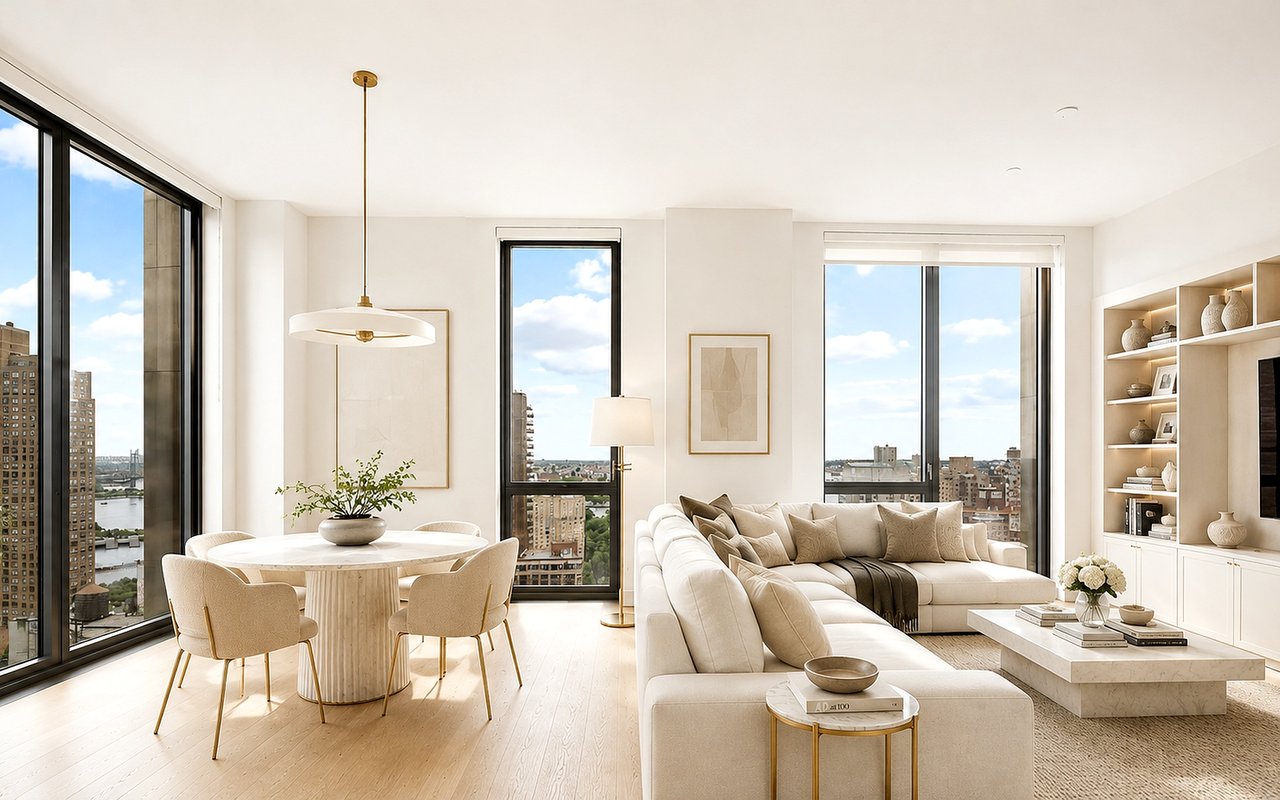
New development condos tend to appeal to buyers who want a more contemporary ownership experience. In East Harlem, that can mean newer systems, modern layouts, elevator access in some buildings, and a different monthly cost structure than you may see in older housing.
The current wave of growth is closely tied to the neighborhood’s rezoning and corridor planning. East Harlem’s 2017 rezoning introduced Mandatory Inclusionary Housing in the rezoned area and created the East Harlem Corridors Special District to guide mixed-use growth along Park, Lexington, Third, Second, and East 116th Streets.
That pipeline is still active. A 2023 borough president housing report said Community District 11 had already produced 1,194 Mandatory Inclusionary Housing units since 2016. In May 2025, the city also started public review on the MTA’s 125th and Lexington proposal for nearly 700 homes, including more than 150 affordable units, above the future 125th Street station.
For buyers, new condos can be especially attractive if you value predictability in ownership structure. According to New York City’s tax guide, condo units are assessed individually, condo unit owners receive tax benefits directly, and the Department of Finance first values the building and then each unit.
That is why monthly carrying cost matters just as much as sticker price. With a new condo, you want to compare the full cost of ownership, including common charges and property taxes, rather than focusing only on the asking price.
What new development buyers should watch
When you tour new condos in East Harlem, keep your analysis simple and disciplined:
- Compare purchase price with total monthly carrying costs
- Ask how the unit is taxed and how the building is assessed
- Look at transit access today and planned access in the future
- Consider whether the block feels more residential, mixed-use, or corridor-oriented
- Evaluate whether the building form fits your day-to-day needs
Classic walk-ups and older buildings
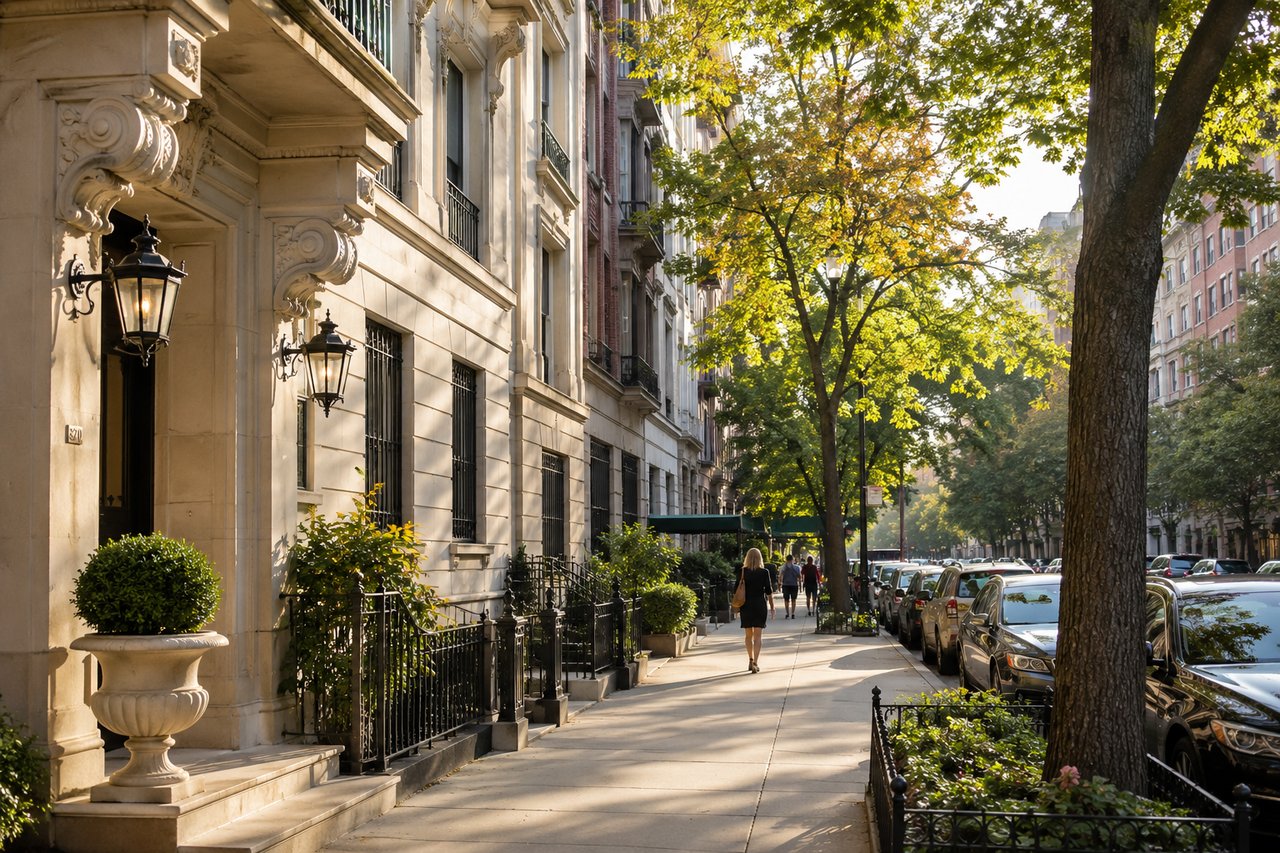
Classic walk-ups remain a major part of East Harlem’s identity. A prior East Harlem planning document described the area’s housing as low- to mid-rise multifamily walk-up and elevator buildings, which is still a useful way to think about much of the neighborhood’s older residential fabric.
These properties often appeal to buyers who care more about location, character, and price positioning than about brand-new finishes. In practical terms, that can mean more tradeoffs around stairs, building systems, and amenities, but sometimes a more approachable entry point into Manhattan ownership.
One important detail often gets overlooked: building form and ownership form are not the same thing. New York City building classifications separate walk-up apartments from elevator apartments, and condo units can also be coded as walk-up units or elevator units. So a condo is not automatically an elevator building, and an older building is not automatically a co-op.
That distinction matters because buyers sometimes compare the wrong things. A walk-up condo, elevator condo, walk-up co-op, and elevator co-op can all come with different maintenance profiles, monthly costs, and ownership rules.
Why older stock still matters here
East Harlem is not a neighborhood where new development replaced the existing fabric. The city’s East Harlem Housing Plan emphasized that preserving the existing stock remained essential because so much of the neighborhood’s housing is regulated or publicly owned.
That means older buildings are not just a leftover category. They are a core part of how the neighborhood functions, how its blocks feel, and how buyers experience the market.
Compare carrying costs, not just asking price
This is one of the most important parts of the decision. In East Harlem, two apartments with similar asking prices can feel very different once you account for taxes and monthly building charges.
The city’s Class 2 tax guide notes that buildings with 10 units or fewer are valued using a simplified income approach. For a buyer comparing a smaller building against a larger new condo, that means assessment history and recurring monthly charges deserve close attention.
In other words, a polished new condo is not automatically the more expensive choice, and an older apartment is not automatically the better value. The right answer depends on how the purchase price and the ongoing monthly bill fit your budget and plans.
A simple comparison framework
Use this framework when you compare options in East Harlem:
Factor | New Development Condo | Classic Walk-Up or Older Building |
|---|---|---|
Ownership costs | Individual condo tax treatment can make monthly analysis especially important | Monthly charges and tax history may vary more by building size and structure |
Building style | Often newer finishes and systems | Often older layouts and building conditions |
Physical setup | May include elevator access, but not always | Often walk-up, sometimes smaller-scale living |
Neighborhood context | Often tied to growth corridors and newer projects | Often reflects East Harlem’s long-standing residential fabric |
Buyer focus | Full cost of ownership and future positioning | Value, building condition, and day-to-day livability |
Parks and open space can change the equation
East Harlem buyers should not evaluate buildings in a vacuum. Open space can be a major lifestyle factor, and in this neighborhood it often influences how a block feels on a daily basis.
The East Harlem Community Walking Trail is 3.5 miles long and connects residents to Central Park and Randall’s Island. Nearby open spaces also include Thomas Jefferson Park at 15.524 acres and Marcus Garvey Memorial Park at 20.165 acres, along with Harlem River Park and other smaller park spaces.
That means two homes with similar specs may offer very different living experiences based on proximity to these outdoor assets. For some buyers, being close to a major park or trail connection can be just as important as having newer finishes inside the apartment.
Transit is a major long-term variable
Transit has always mattered in Manhattan, but in East Harlem it is also part of the neighborhood’s future story. The MTA’s Phase 2 materials say the new subway segment will extend Q service from 96th Street to 125th Street and connect to the Lexington Avenue line and Metro-North.
In June 2026, the governor said Phase 2 of the Second Avenue Subway had reached a major construction milestone and remained on track for a 2032 opening. The project is planned to add three accessible East Harlem stations at 106th, 116th, and 125th Streets.
For buyers, this creates a very practical question: how much weight should you give to future transit access? Blocks near the future 125th Street node may have stronger long-term transit relevance than blocks that rely only on today’s subway and bus network.
That does not mean every buyer should prioritize the same area. It does mean that East Harlem rewards a block-by-block approach more than a broad neighborhood-level assumption.
How to decide which path fits you
If you are choosing between a new development condo and a classic walk-up, start with your daily life, not just your wish list. Think about how long you plan to stay, what monthly payment feels comfortable, and whether convenience or character matters more to you.
A new development condo may fit if you want a more modern ownership experience and you are comfortable evaluating the full carrying-cost picture. A classic walk-up or older building may fit if you want to prioritize neighborhood fabric, pricing flexibility, or a specific block.
In East Harlem, there is rarely one universally correct answer. The better approach is to compare each property in the context of its building type, ownership structure, monthly costs, transit position, and relationship to the surrounding block.
That is especially true in Upper Manhattan, where micro-market differences shape outcomes. If you want help comparing East Harlem condos, co-ops, and smaller buildings with a clear block-by-block lens, Julia Boland can help you make a smart, no-pressure plan.
FAQs
What is the difference between an East Harlem condo and an East Harlem walk-up?
- A condo describes an ownership form, while a walk-up describes a building form. In East Harlem, a condo can be a walk-up or an elevator building, so you should evaluate both separately.
Are new development condos common in East Harlem?
- New development has been growing along key East Harlem corridors, especially since the 2017 rezoning introduced Mandatory Inclusionary Housing and guided mixed-use growth in targeted areas.
Why do monthly costs matter so much for East Harlem condos?
- New York City assesses condo units individually, so buyers should compare the full monthly cost of ownership, including taxes and common charges, not just the asking price.
Do older East Harlem buildings still shape the neighborhood market?
- Yes. City planning documents describe East Harlem as having a large concentration of older, regulated, and publicly owned housing, which continues to shape the neighborhood’s housing stock and character.
How does future transit affect East Harlem real estate decisions?
- The planned Second Avenue Subway Phase 2 stations at 106th, 116th, and 125th Streets could strengthen long-term transit access in parts of East Harlem, especially near the future 125th Street connection point.
What lifestyle factors matter when choosing a home in East Harlem?
- Parks, open space, walking access, current transit, and future transit plans can all affect how a specific East Harlem block feels and how well a property fits your day-to-day life.