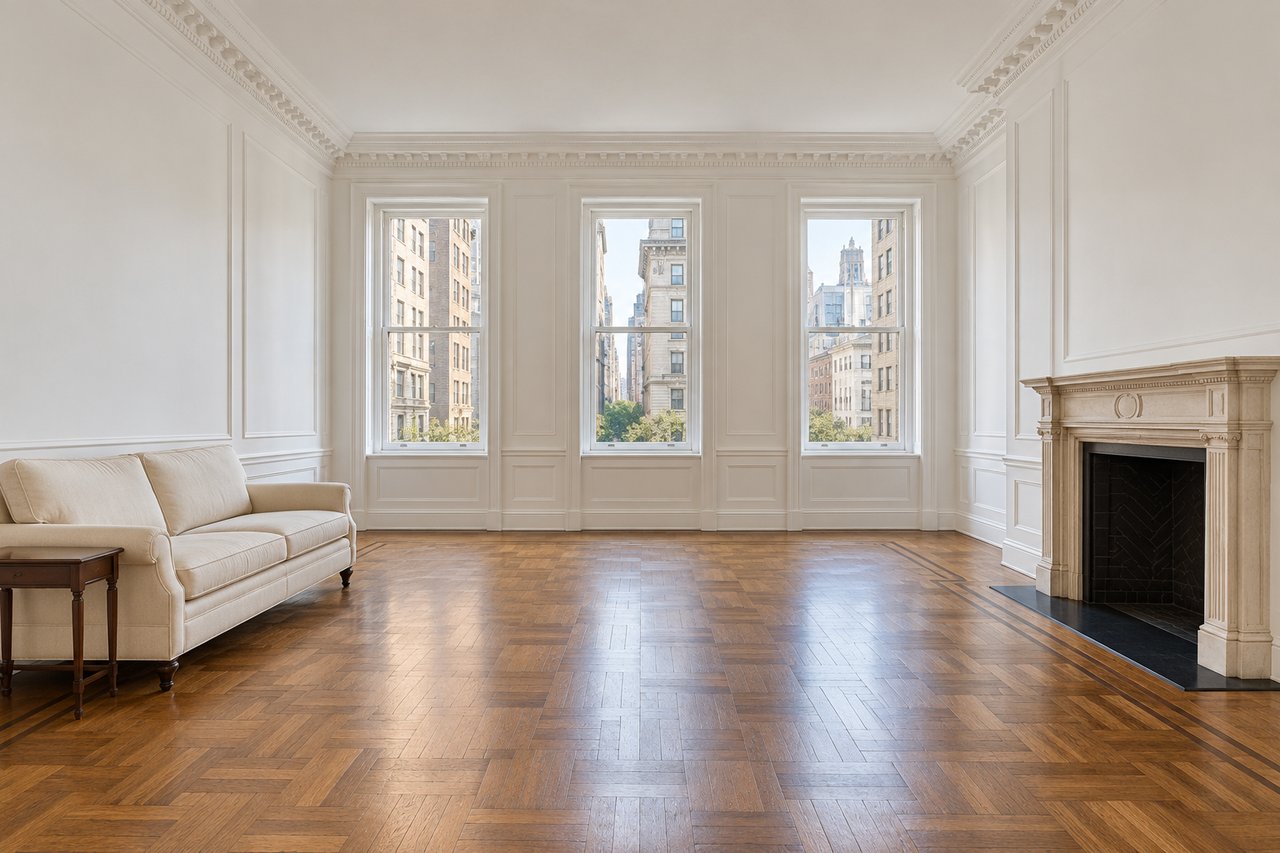
There is something deeply appealing about a Manhattan townhouse: the stoop, the tall windows, the high ceilings, the intimate scale, and the sense that the building has a story to tell. Inside, a stained-glass window or decorative fireplace mantel gives a room a personality that is difficult to reproduce. These prewar details offer a connection to an earlier New York, bringing a sense of history and permanence to everyday life.
But buying an entire townhouse is a significant commitment. Beyond the purchase price, there is the responsibility of maintaining the roof, façade, mechanical systems, and everything in between.
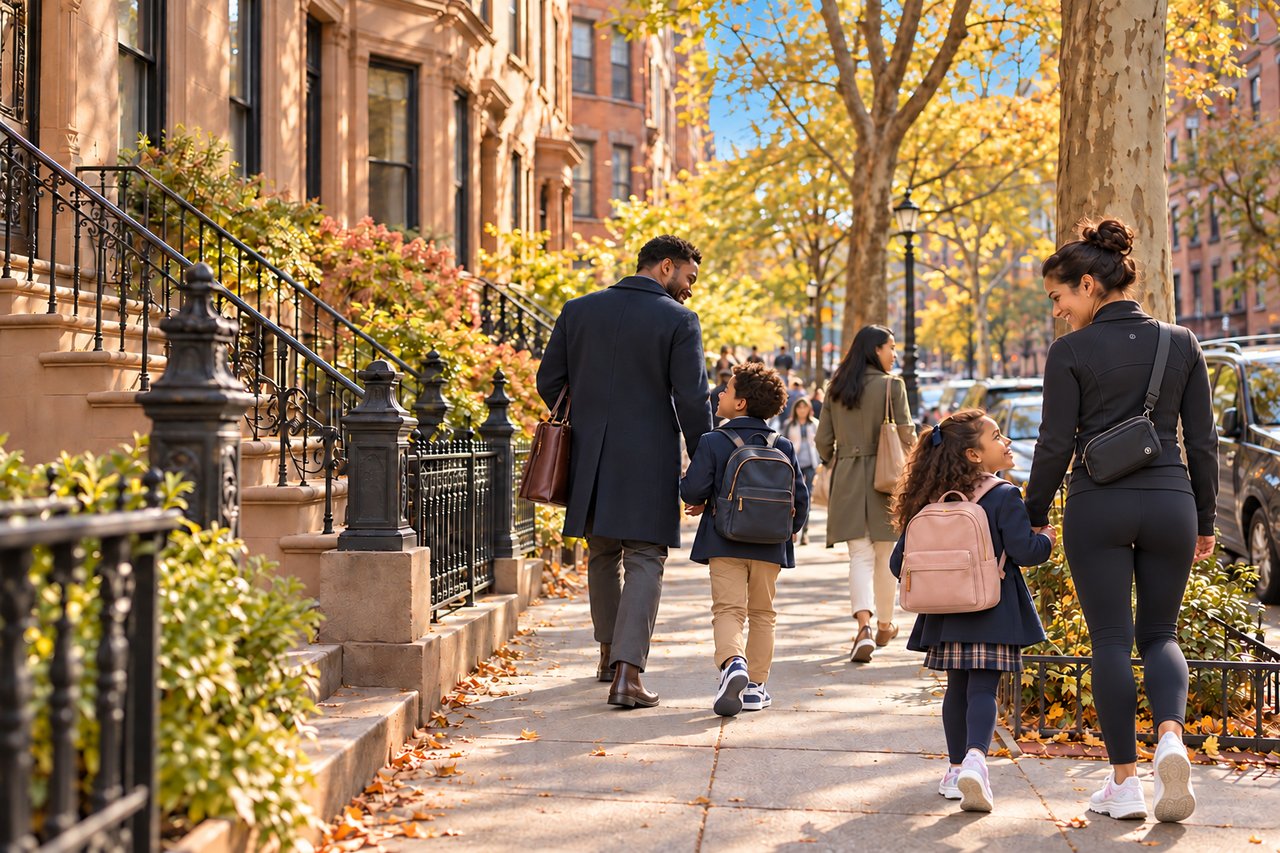
The appeal extends beyond the front door. On a block lined predominantly with historic townhouses, the neighborhood itself has an intimate scale. Stoops, planted front gardens, and rows of brownstone façades create a sense of continuity, while the lower building heights allow a greater connection to the sky and the changing seasons. You begin to recognize neighbors on their stoops and familiar faces along your daily route. On some blocks, that connection grows through traditions such as summer block parties, spring planting days, and neighborhood cleanups. For many buyers, that feeling of belonging to a block is as important as the home itself.
For buyers who love this architecture, a condominium within a historic townhouse offers a compelling alternative. You can enjoy many of the qualities that make townhouse living special while sharing responsibility for the building with other owners.
In Harlem, where brownstones are such an important part of the neighborhood’s identity, these homes deserve a closer look.
Architectural Character You Can Live With
Historic details are more than decorative extras. They influence how a home feels. High ceilings create breathing room. Tall windows bring light deeper into a space. Ornate woodwork, stained glass, and a handsome mantel give even a relatively compact apartment a distinctive presence.
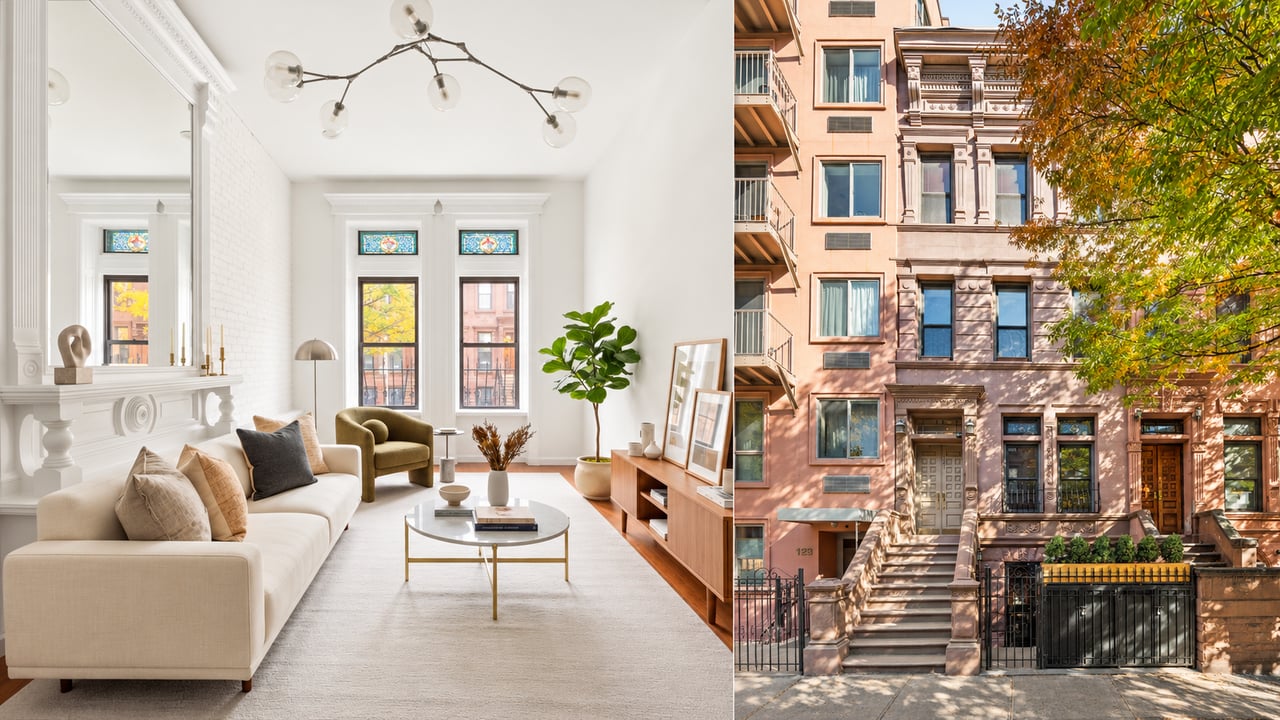
My listing at 121 West 131st Street, Apartment 2, illustrates this beautifully. Set on the parlor level of an 1890s brownstone, the condominium has approximately 11-foot ceilings, stained glass, ornate millwork, exposed brick, and a decorative fireplace mantel. These elements give the home a warmth and individuality that buyers often associate with owning a townhouse.
Yet the purchase is an individual condominium residence. For someone who wants architectural character without acquiring an entire building, that distinction matters.
Not every conversion retains the same level of interior detail. Some preserve elaborate woodwork and historic features; others pair a traditional exterior with a thoroughly contemporary interior. Part of the search is deciding which interpretation feels right to you.
A Smaller Building Can Mean Lower Common Charges
Another attraction is the potential for lower monthly common charges. A full-service condominium must support the services it provides. Doormen, porters, on-site staff, elevators, and shared amenities all contribute to the operating budget. Those services can be valuable, but buyers should consider how much they will actually use them.
Many townhouse condominiums operate more simply. Rather than employing a full-time staff, a building may use a nearby superintendent, handyman, or cleaning service to maintain the hallways, handle trash, and coordinate routine upkeep.
For buyers comfortable with that arrangement, a smaller operating budget can be appealing. You may prefer to put your housing dollars toward interior space, architectural character, or a private garden.
More of the Townhouse Experience
Townhouse condominiums can also offer layouts that feel different from apartments in larger buildings. A floor-through residence may have windows at both the front and rear, with a natural separation between living and sleeping areas. A duplex or triplex can create distinct places for entertaining, working, and retreating at the end of the day.
Private outdoor space is another draw. Depending on the residence, that might mean a backyard, balcony, or roof terrace. At 121 West 131st Street, Apartment 2, the private backyard adds another dimension to the home. The appeal extends beyond the interior: there is room to sit outside, garden, or enjoy dinner outdoors.
Privacy is another part of the appeal. While some buyers appreciate the familiarity and assistance of a doorman, others prefer the independence of coming and going without passing through an attended lobby. A townhouse condominium can offer a more discreet daily routine, with fewer neighbors and a quieter, more personal arrival home.
For buyers who picture townhouse living as a combination of character, privacy, and a personal connection to outdoor space, these residences can deliver much of that experience.
A Closer Look at 53 West 119th Street
53 West 119th Street, known as The Quincey, is another example of how a historic brownstone can accommodate condominium ownership.
The early-20th-century building was converted into two residences. Its garden triplex includes a private rear yard, demonstrating how a townhouse conversion can provide substantial living space and outdoor access within a small condominium.
What interests me about this type of property is the range of buyers it can serve. Someone seeking a spacious, luxurious home with modern finishes may find that a townhouse condominium offers the multilevel layout and separation between living spaces they had assumed would require buying an entire house.
Nearby, 129 West 131st Street provides another variation: a brownstone converted into two residences, with a backyard for the lower home and two roof terraces for the upper residence. These examples show how differently historic buildings can be adapted.
Shared Ownership Still Requires Participation
The practical benefits come with responsibilities. In a small condominium, each owner’s participation matters. There may be only a handful of households making decisions about repairs, insurance, budgets, and building priorities. Clear communication and a willingness to plan together are essential.
Sharing expenses also does not eliminate major repair costs. A roof replacement or façade project may be divided among relatively few residences, making healthy reserves and advance planning especially important.
Before purchasing, buyers should have their attorney review the condominium documents and financial information. They should also understand the building’s condition, maintenance arrangements, upcoming projects, and responsibility for any private outdoor areas.
There are lifestyle questions, too. Is there an elevator? How are packages handled? Who responds when something needs attention? How much involvement will owners be expected to provide?
These answers help determine whether the building fits the way you want to live.
Finding Your Version of the Best of Both Worlds
For the right buyer, a historic townhouse condominium offers a particularly satisfying combination: architectural character, an intimate building, potentially lower common charges, and shared responsibility for the property.
The best choice depends on what you value. Some buyers want extensive services. Others would happily trade those services for privacy, stained glass, high ceilings, a private garden, or a home that feels connected to the history of its block.
As a longtime Harlem resident and Manhattan real estate advisor, I believe these properties deserve a place in more buyers’ searches. They offer a distinctive way to own a piece of the city.
Considering a townhouse condominium in Harlem or elsewhere in Manhattan? Contact Julia Boland at [email protected] or visit TheBolandTeamNYC.com to explore the possibilities.
Julia Boland is a Manhattan real estate advisor at Corcoran with more than 25 years of experience advising buyers and sellers of condos, co-ops, townhouses, and new development. She is the author of Buying Smart in NYC: An Insider's Guide to Condo & Co-op Buying (2026). Whether you're just starting to explore your options or ready to make a move, Julia and The Boland Team are here to help. Reach out at TheBolandTeamNYC.com or call (848) 200-1452.
Frequently Asked Questions About Historic Townhouse Condos
What is a townhouse condominium?
A townhouse condominium is an individually owned residence within a townhouse that has been legally divided into condominium units. Each owner owns their apartment and shares ownership of the building’s common elements, as defined in the condominium documents.
Do historic townhouse condos have lower common charges?
They often do, particularly when compared with buildings that employ full-time staff and maintain extensive amenities. Many use a visiting superintendent, handyman, or cleaning service for routine upkeep. However, buyers should review what the charges cover, the building’s reserves, and any anticipated repairs. Low monthly charges alone do not establish that a building is financially sound.
Can a townhouse condo have modern amenities and historic details?
Yes. Some conversions combine features such as stained glass, decorative fireplace mantels, and ornate millwork with updated kitchens, central air conditioning, and in-unit laundry. Others retain the historic exterior while introducing contemporary interiors. The combination varies by property.
Do townhouse condos come with private outdoor space?
Some include a backyard, balcony, or roof terrace. Buyers should have their attorney confirm whether the space is part of the unit or a common element reserved for that owner’s exclusive use, along with who is responsible for maintenance and repairs.
Who maintains the building?
The condominium’s board oversees shared building responsibilities, sometimes with help from a managing agent or contracted service providers. In a small building, owners may take a more active role in coordinating maintenance and making decisions. The condominium documents establish how responsibilities and expenses are allocated.
Are townhouse condos more private than larger apartment buildings?
They can offer a more discreet daily routine, with fewer residences and no attended lobby. Buyers who prefer coming and going independently may appreciate that arrangement. Sound transmission, shared entrances, and the location of outdoor spaces also affect privacy and should be considered during a visit.
What should I review before buying a historic townhouse condo?
Along with the apartment itself, consider the condition of the roof, façade, windows, and building systems. Your attorney should review the condominium documents, financial statements, reserves, insurance, meeting minutes, and any planned assessments or major projects. Ask how repairs are handled and how actively owners participate in building decisions.