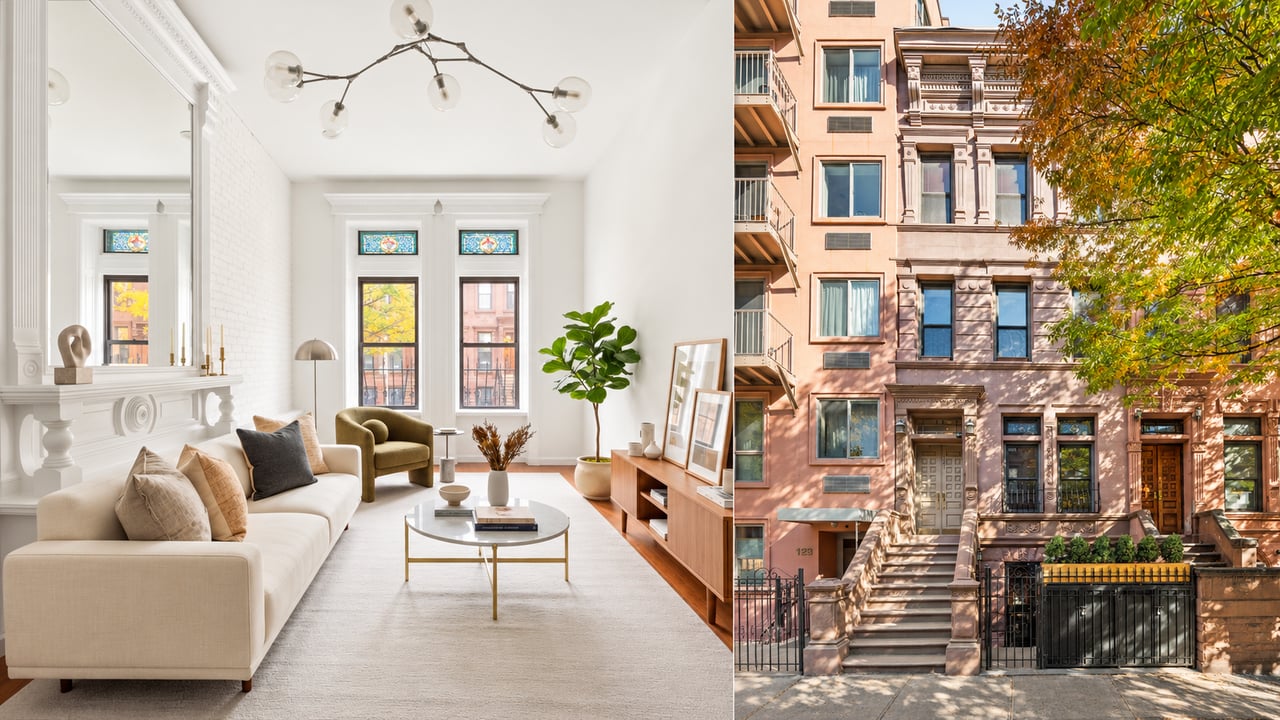
Buying a two-family townhouse in Manhattan offers the opportunity to enjoy a private home while earning rental income from a separate residence. For buyers exploring Central Harlem townhouses for sale, this ownership model combines generous living space with income potential.
When we purchased our townhouse in 2004, we knew we would need rental income to help offset the mortgage payments. For us, that proved to be a wise long-term decision. As rents increased over the years, the rental income became an increasingly valuable part of our ownership equation.
I recently listed 165 West 126th Street, a legal two-family brownstone in Central Harlem, and recognized an opportunity to show buyers how this approach can work.
With two duplex residences and vacant delivery, the property allows a buyer to consider which residence to call home and which to rent. That second residence can contribute toward carrying costs, changing how a buyer evaluates the monthly expense of townhouse ownership.
The useful question is: What would I need to contribute each month after allowing for realistic rental income, expenses, and reserves?
Using 165 West 126th Street as an example, let’s look at how to approach that calculation and what buyers should understand before relying on rental income.
Two duplexes, with a choice of where to live
Delivered vacant, 165 West 126th Street offers two duplex residences, allowing a buyer to consider which home best suits their needs and which to rent.
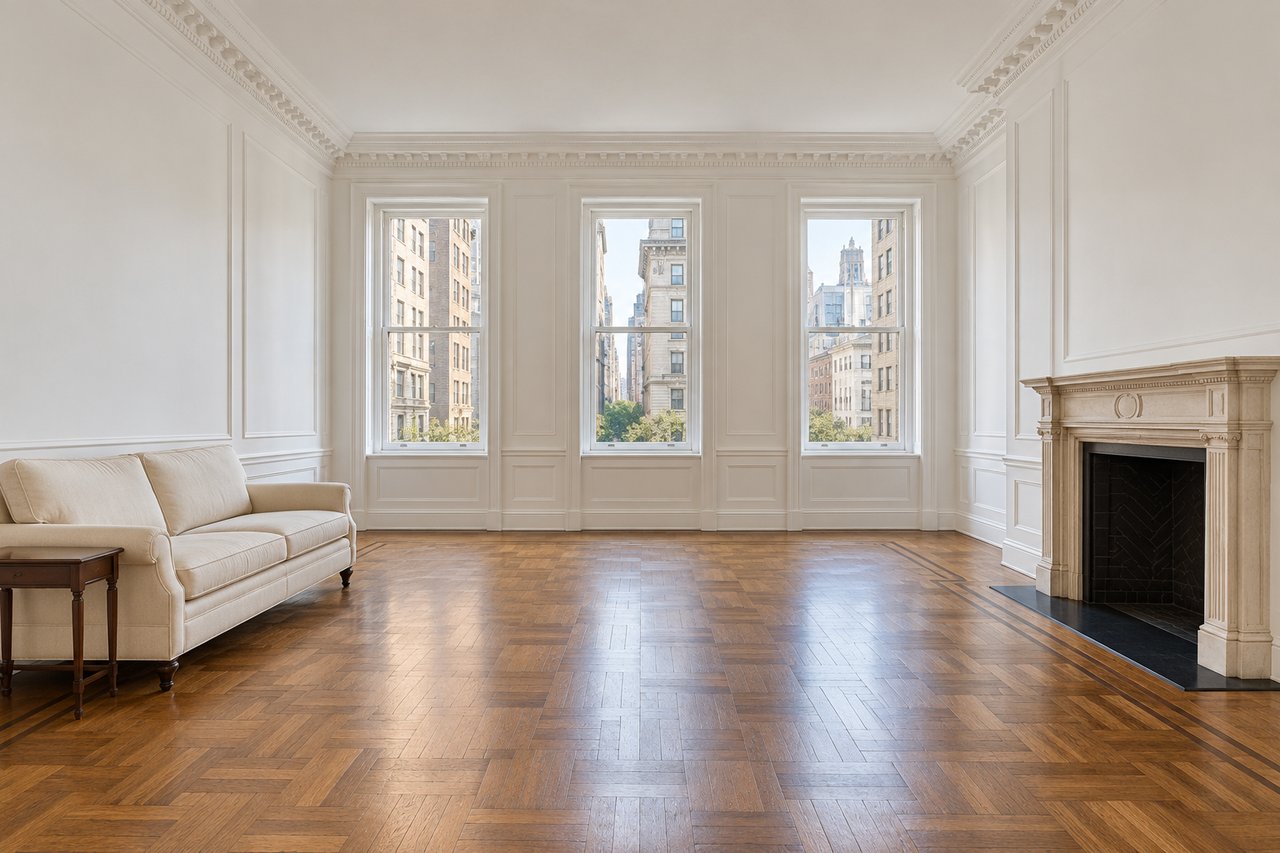
The 17-foot-wide townhouse encompasses approximately 3,340 square feet above grade, plus a full-height cellar, and includes a landscaped garden.
The two-duplex arrangement is central to its appeal. An owner can occupy a home spread over two levels while offering another duplex to a renter.
During a showing, review the floor plans, entrances, laundry arrangements, utility responsibilities, and garden access. These details shape how the two households would function day to day and what each residence could command in rent.
At 165 West 126th Street, I estimate that the upper duplex could rent for approximately 4,500–5,000 per month. The larger lower duplex, with its private outdoor space, could potentially command 6,000–6,500 per month. These preliminary estimates are subject to current rental comparables and market conditions when offered, but they provide a useful starting point for understanding how rental income could affect your monthly ownership costs.
That difference gives buyers another choice to consider: occupy the larger residence and enjoy the garden, or live upstairs and pursue the greater rental contribution from the lower duplex.
What rental income actually contributes
The advertised monthly rent is only the beginning of a rental budget. Owners should allow for vacancies, missed payments, repairs, turnover, and future replacements before deciding how much income to apply toward other ownership costs.
At 165 West 126th Street, consider two scenarios: living in the lower duplex and renting the upper residence for $4,750 per month, or living upstairs and renting the larger lower duplex with private outdoor space for $6,250 per month.
Here is how those choices could affect the ownership calculation:
For this illustration, both scenarios use a rental expense and reserve allowance of $600 per month. Actual costs may differ between the residences depending on maintenance needs, utility responsibilities, turnover, and management arrangements.
The rental figures are preliminary estimates, subject to current rental comparables and market conditions when offered. Combined with these hypothetical expense allowances, they provide a useful starting point for understanding how rental income could affect your monthly ownership costs.
In this example, choosing to live upstairs and rent the lower duplex increases the estimated monthly rental contribution by $1,425. That gives buyers a tangible way to weigh the larger home and private garden against a lower monthly out-of-pocket cost.
The next step is to calculate:
Mortgage principal and interest + property taxes + insurance + remaining building operating costs and reserves − rental contribution = estimated owner-funded monthly cost.
Count every expense once. If the rental calculation already deducts particular utilities, repairs, or reserves, exclude those same amounts from the remaining building budget.
Also plan for timing. Expenses continue when an apartment is vacant, and regular repairs do not wait for rent collection. Buyers need enough liquidity to carry the property through interruptions.
A sound purchase should remain manageable when the rental performs below expectations.
Your budget and your mortgage approval are different calculations
Rental income may also help with mortgage qualification, but the amount a lender recognizes can differ from the amount used in your household budget.
Fannie Mae permits eligible rental income from two- to four-unit principal residences, subject to its requirements. Its purchase guidance uses 75% of gross rent in the applicable calculation, with further treatment depending on factors including rental-management experience and property expenses. Buyers should review these guidelines with their lender.
That does not mean every buyer can automatically add 75% of anticipated rent to qualifying income. Documentation, appraisal support, borrower eligibility, and loan-program rules matter.
Buyers considering a jumbo mortgage should have their lender evaluate the specific property and rental arrangement early. Confirm both the required down payment and reserves before making an offer.
Evaluate the rental as someone’s next home
A useful rental analysis starts with the apartment itself.
At 165 West 126th Street, the duplex configuration gives prospective renters a residence arranged over two floors. That layout deserves comparison with other duplex rentals, with adjustments for bedroom count, usable space, condition, light, and outdoor access.
A neighborhood average cannot tell the whole story. Neither can an ambitious asking rent on an apartment that has not yet been leased.
For this Central Harlem townhouse, evaluate nearby rental comparables individually. Review transit access, how the rooms accommodate furniture, and whether storage and laundry meet everyday needs. Confirm which utilities the tenant would pay.
Because the property is delivered vacant, buyers can evaluate a new rental offering. The budget should still allow time for preparation, marketing, tenant screening, and lease commencement before income begins.
Homeownership with landlord responsibilities
Living in one residence and renting the other means managing both a home and a rental operation. Someone must handle maintenance requests, coordinate repairs, keep records, communicate with tenants, and oversee turnover. A property manager can help, but that service belongs in the budget.
The tax treatment also deserves advance planning. Rental income generally must be reported, while eligible rental expenses may be deductible. When part of a property is your home and part is rented, shared expenses must be allocated appropriately between personal and rental use. Separately metered utilities can help distinguish certain costs.
Depreciation can provide an additional tax benefit. Owners can generally deduct a portion of the cost allocated to the rental building over time, excluding the value of the land. This noncash deduction may reduce taxable rental income while the owner continues to receive rent. The cash-flow illustrations above are before income taxes and do not include any potential benefit from depreciation.
The benefit depends on the owner’s tax circumstances and applicable limitations. Depreciation also reduces the property’s tax basis and can result in additional taxable gain when the property is sold. A qualified tax professional can help buyers evaluate the deductions available during ownership and the implications of a future sale.
Explore the numbers at 165 West 126th Street
For buyers who want townhouse living and are comfortable with landlord responsibilities, 165 West 126th Street offers a configuration worth examining: two duplexes, vacant delivery, and a landscaped garden in Central Harlem.
The next step is to evaluate the home and its rental potential together, using supported rental assumptions, actual carrying costs, and financing tailored to your circumstances.
With a thoughtful plan, living with income can open the door to a spacious Manhattan home and the pleasure of making Central Harlem your own.
Julia Boland is a Manhattan real estate advisor at Corcoran with more than 25 years of experience advising buyers and sellers of condos, co-ops, townhouses, and new development. She is the author of Buying Smart in NYC: An Insider's Guide to Condo & Co-op Buying (2026). Whether you're just starting to explore your options or ready to make a move, Julia and The Boland Team are here to help. Reach out at TheBolandTeamNYC.com or call (848) 200-1452.
Frequently Asked Questions
What does “live with income” mean when buying a townhouse?
It means occupying one residence in a property while renting another. A two-family townhouse allows an owner to enjoy a private home while receiving rental income from a separate residence.
Can I choose which duplex to occupy at 165 West 126th Street?
Yes. The house is delivered vacant, giving the next owner the opportunity to choose between the garden and parlor duplex and the upper duplex, then establish a tenancy in the other residence.
How much rental income could 165 West 126th Street generate?
My preliminary estimate is approximately $4,500-$5,000 per month for the upper duplex and $6,000-$6,500 per month for the lower duplex with private outdoor space. These estimates are subject to current rental comparables and market conditions when offered. They represent gross rent before expenses, reserves and taxes.
What expenses should I consider before relying on rental income?
Allow for vacancy, missed payments, repairs, tenant turnover and future replacements. Your ownership budget should also account for mortgage payments, property taxes, insurance, utilities and any management costs. Avoid counting an expense twice when combining the rental and overall building budgets.
Can rental income help me qualify for a mortgage?
It may, depending on the loan program, supporting documentation and lender requirements. The income a lender recognizes can differ from the amount you use in your personal budget. Ask your lender to evaluate the property and proposed rental arrangement before making an offer.
Are there potential tax benefits to owning a two-family townhouse?
Eligible rental expenses and depreciation of the building’s rental portion may reduce taxable rental income. Land is not depreciable, and the portion used as your personal residence receives different treatment. Depreciation can also affect taxes upon a future sale, so buyers should review their circumstances with a qualified tax professional.
What responsibilities come with living in one duplex and renting the other?
Owners are responsible for managing the rental, including maintenance requests, repairs, tenant communication, recordkeeping and turnover. Hiring a property manager can reduce the day-to-day workload, with the management fee included in the ownership budget.
How can I arrange a showing of 165 West 126th Street?
Contact Julia Boland at [email protected] to arrange a private showing and discuss the house’s layout and rental potential.