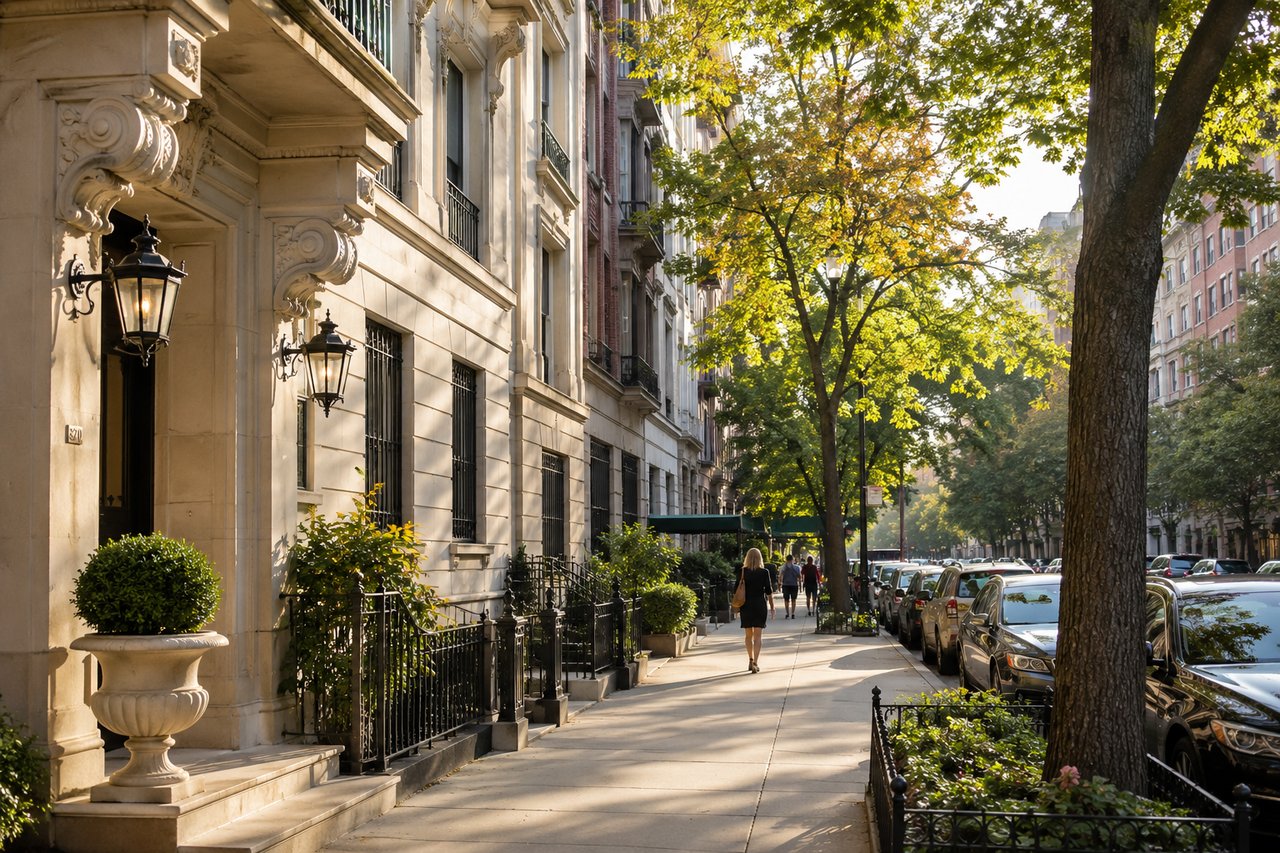
For decades, conventional wisdom held that city living was inherently unhealthy: too much noise, too much pollution, and too little room to breathe. But the data tells a different story. New Yorkers, on average, live longer than Americans nationwide, and in some neighborhoods, considerably longer. National life expectancy is about 79 years. On the Upper East Side, it's 85.9. On the Upper West Side, it's 84.7. Researchers point to a familiar combination of factors: more walking, better access to healthy food, and a stronger sense of community.
That gap didn't happen by accident, and it hasn't gone unnoticed by the people designing and buying homes in these neighborhoods. For years, the New York real estate story was relatively straightforward: location, views, and finishes. Check those three boxes, and you have a compelling home.
Today, there's a fourth pillar quietly reshaping buyer priorities: wellness.
The buyers driving today's market are asking more sophisticated questions about air quality, natural light, noise, outdoor space, and whether a building truly supports the way they live now: hybrid work, demanding careers, and the ability to age comfortably in place, on their own terms.
Wellness has evolved from a luxury amenity into a baseline expectation. Here's what that actually looks like.
What "Wellness-Focused" Really Means
When people hear the phrase wellness-focused building, they often picture a juice bar and a yoga studio. That's yesterday's definition.
The real story lies in the bones of the building and the daily experience of living there, not the amenities that photograph well, but the ones that quietly influence how you feel every day.
1. The Invisible Infrastructure
The most important wellness features are often the ones you'd never notice during a showing.
Air quality and ventilation. High-performance filtration, fresh-air systems, and humidity control have become part of the value proposition. You can't control what's happening outside your windows in a dense city, but you can control what you're breathing inside.
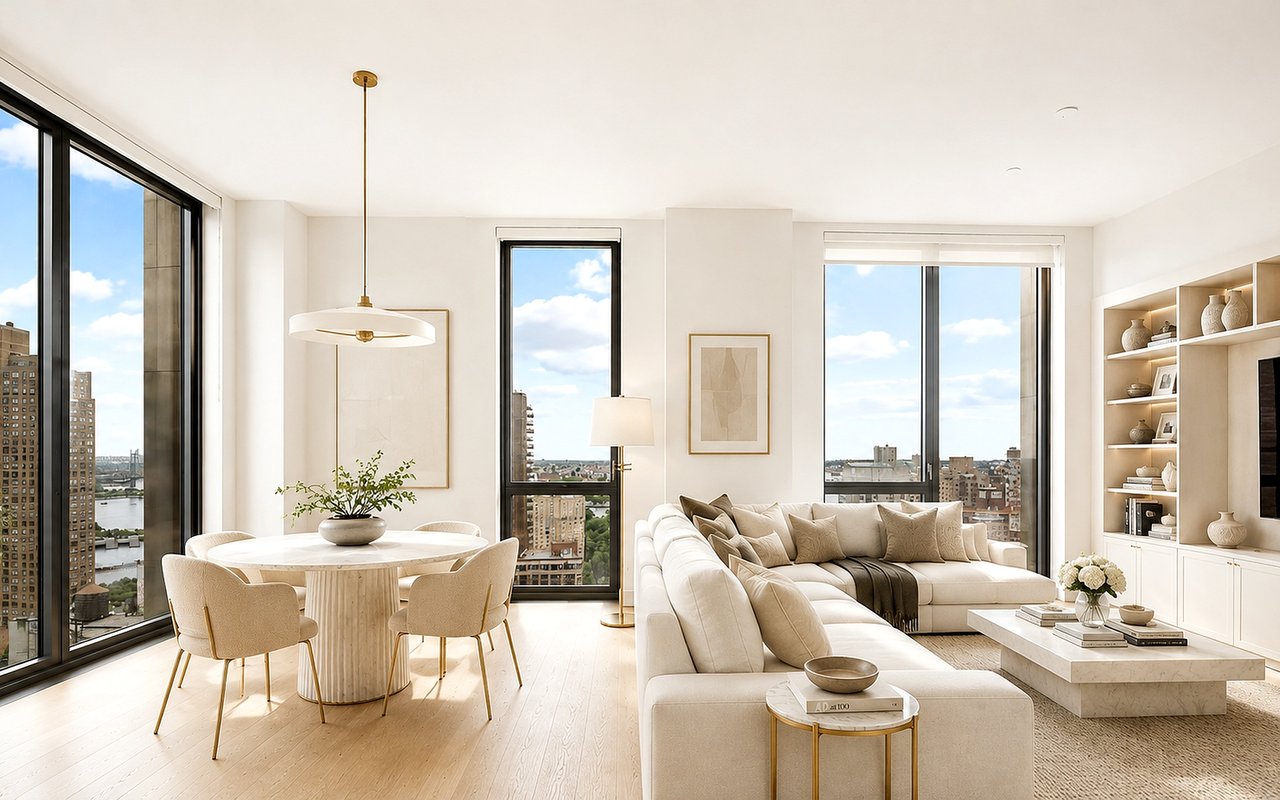
Light and layout. Window placement, ceiling height, and apartment orientation are increasingly discussed in terms of circadian rhythm, mood, and productivity and not simply whether a home is "bright" or "south-facing."
Acoustic and thermal comfort. Better insulation, triple-pane windows, and thoughtfully engineered mechanical systems don't show up in listing photos. They show up in how well you sleep. I can speak to this firsthand. My own apartment has floor-to-ceiling triple-pane glass throughout, and the difference is remarkable. Barring the occasional midnight fireworks display, I sleep straight through the night.
These used to be engineering details buried in a specification sheet. Today, they're central to how premium buildings differentiate themselves.
2. Movement, Recovery, and Daily Rituals
The amenity floor has evolved well beyond a room with treadmills.
Today's leading residential buildings offer complete wellness suites that include strength training, group fitness studios, pools, saunas, cold plunges, and dedicated recovery and stretching spaces. Some go even further, offering curated programming with classes, trainers, and wellness events designed to make movement and recovery part of everyday life rather than good intentions.
The relevant question is no longer, Does the building have a gym? It's, Will this building make it easier for me to move, decompress, and consistently invest in my own health?
In a city with endless fitness options, the real advantage is convenience. When everything is downstairs, consistency becomes much easier.
3. Mental Wellbeing, Focus, and Community
Wellness isn't only physical. Buyers are paying much closer attention to how a building supports their mental wellbeing.
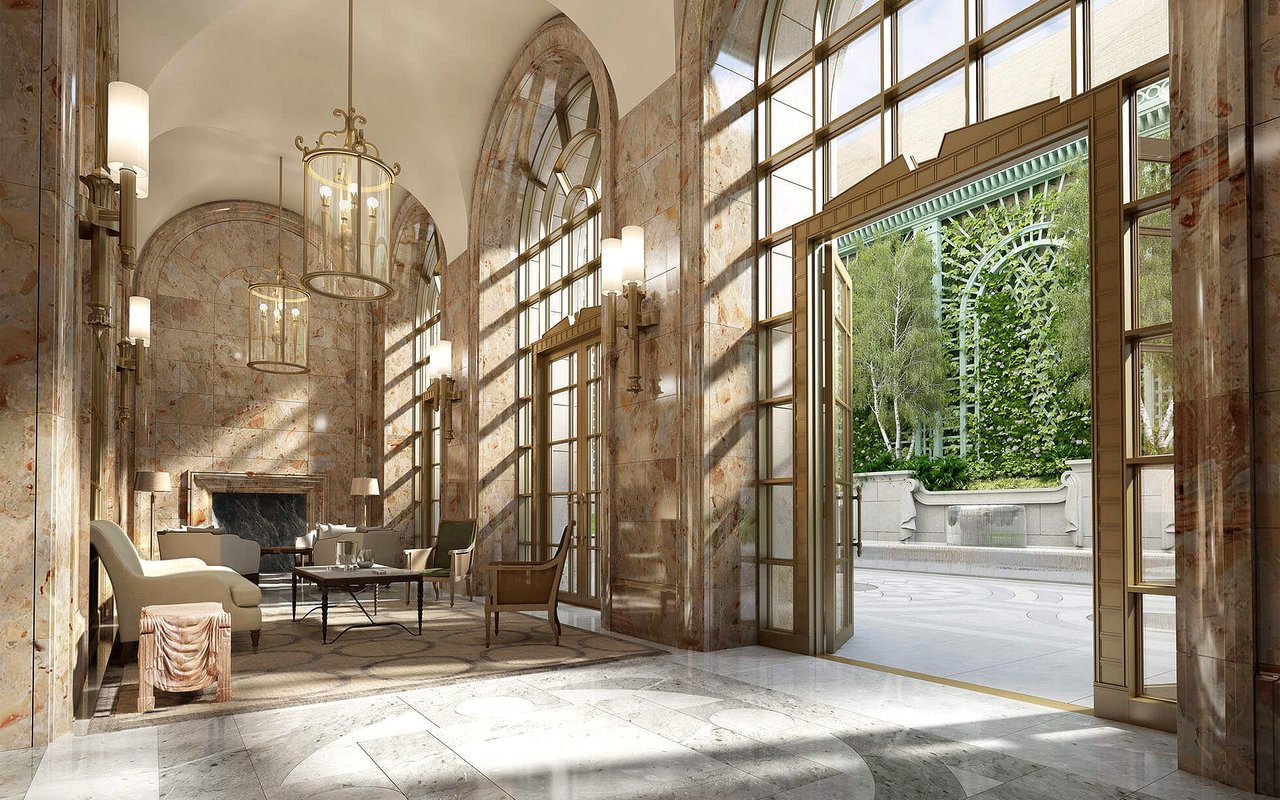
Work and focus spaces. Quiet lounges, libraries, and thoughtfully designed co-working areas have become extensions of the home. They're not simply places to work remotely, they're places to think, concentrate, and step away from the distractions of everyday apartment living. I've been especially impressed by the co-working spaces at 1 Wall Street and 720 West End Avenue.
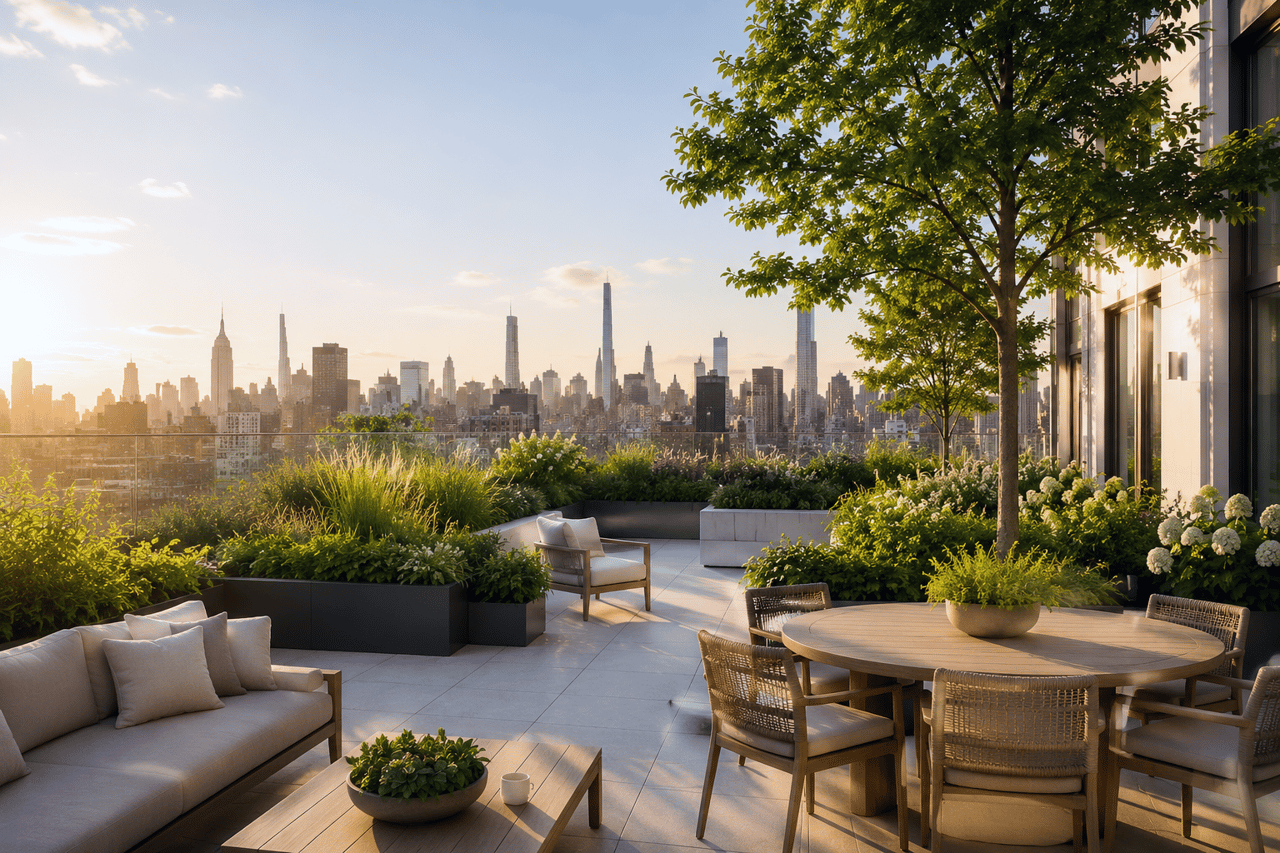
Biophilic, stress-reducing design. Natural materials, landscaping, softer palettes, and visual access to greenery whether through a courtyard or planted roof deck have a measurable impact on emotional wellbeing. I live in a building with three beautifully landscaped outdoor spaces, and I notice the difference every single day.
Community programming. Curated events, educational programming, and social gatherings help reduce isolation and create meaningful connections among residents. Wellness isn't just what happens in the fitness center; it's also about the quality of the community around you. At Claremont Hall, for example, the concierge team regularly partners with the Manhattan School of Music across the street to host performances and events for residents.
In a city that rarely slows down, these pockets of calm and connection have become genuine luxuries.
4. Services, Technology, and Aging in Place
At the highest end of the market, wellness increasingly means personalization and long-term livability particularly for buyers returning to New York after raising families in the suburbs.
Smart environmental controls. Rather than managing separate light switches, thermostats, and window shades, many homes now integrate everything into one system controlled from a wall panel or smartphone. A single tap can raise the shades, brighten the lighting, and adjust the temperature for the morning. Another tap creates an evening setting with warmer lighting, lowered shades, and cooler temperatures for sleep. Some systems even adjust lighting throughout the day to mirror natural daylight.
That same philosophy extends to the building itself. Residents can often reserve fitness classes, personal training sessions, spa treatments, or wellness services through the building's app, much as they would reserve a dinner table. Technology isn't the point. The point is that the environment adapts to you instead of requiring constant management.
Integrated services. Concierge access to nutritionists, trainers, mindfulness coaches, bodywork specialists, and even telehealth services increasingly brings wellness into daily life.
Designing for longevity. Wider hallways, accessible elevators, thoughtful kitchen and bathroom layouts, and flexible floor plans all support aging comfortably at home. Aging in place is no longer just a suburban concept. It's becoming part of how the best New York buildings are designed from the outset.
For anyone purchasing a long-term residence, a home needs to support more than beautiful furnishings. It needs to support the decades ahead.
Where This Is Already Happening: The Upper East and Upper West Sides
This trend isn't theoretical. Several recent developments on the Upper East and Upper West Sides illustrate what thoughtfully integrated wellness looks like in practice.
200 Amsterdam, near Lincoln Center, was designed around functional wellness rather than simply checking the amenity box. Its wellness floor includes yoga and Pilates studios, meditation rooms, steam rooms, saunas, oversized windows, and high ceilings designed to maximize natural light. The building also features The Club at 200, a dedicated social space that reinforces the idea that wellness extends beyond physical fitness into everyday community life.
255 East 77th Street, designed by Robert A.M. Stern Architects, pairs timeless limestone-inspired architecture with a wellness center, pool, screening room, and generously proportioned residences. It reflects the broader Upper East Side movement toward buildings designed to feel permanent rather than transient.
96+Broadway, situated between Riverside Park and Central Park, centers its wellness offering around a 75-foot saltwater pool finished in hemlock wood and travertine, complemented by a spa suite, Pilates studio, and regulation squash court. These are amenities designed for regular use—not simply marketing materials.
Taken together, these developments reflect a broader shift on both the Upper East and Upper West Sides. The emphasis is increasingly on wellness engineered into everyday living: better light, cleaner air, quieter interiors, meaningful movement, and stronger community—not wellness as a marketing feature added after the fact.
How to Tell If a Building Is Genuinely Wellness-Focused
The word wellness has become one of the most overused terms in luxury real estate. Nearly every new development claims to prioritize wellbeing, but not every building delivers on that promise.
When you're touring a property, here are a few ways to separate thoughtful design from good marketing.
Look beyond the amenities. A yoga studio and spa may be appealing, but they're only part of the picture. Ask about the building's air filtration system, ventilation, acoustic insulation, daylight strategy, and construction materials. Those are the features that shape your quality of life every day.
Ask how the amenities are actually used. Does the building simply provide a fitness room, or does it offer classes, wellness programming, trainers, and community events? The difference is whether wellness is treated as a feature or as part of residents' daily lives.
Evaluate outdoor access and opportunities for quiet. Can you step outside without leaving the building? Are there landscaped terraces, gardens, or roof decks designed for relaxation rather than simply entertaining? Inside, are there lounges, libraries, or other quiet spaces where you can read, work, or simply decompress?
Think beyond today. The best wellness-focused buildings are designed to support different stages of life. Consider whether the layout works equally well for remote work, raising a family, entertaining, or aging comfortably in place. A truly well-designed building should continue supporting you as your needs evolve.
Why This Shift Happened
Several forces have converged to reshape buyer expectations.
The pandemic made people acutely aware of how profoundly their home environment affects both physical and mental wellbeing. Air quality, access to outdoor space, and thoughtful design suddenly became deeply personal.
Hybrid work transformed homes into spaces that must function simultaneously as office, gym, sanctuary, and gathering place—often before the workday even begins. Buildings that ignore that reality quickly feel outdated.
At the same time, buyer priorities have evolved. Sustainability, wellbeing, and quality of daily life increasingly outweigh purely ornamental luxury. More buyers are willing to invest in better sleep, better focus, and long-term health than in another layer of expensive finishes.
And New York itself remains one of the world's most stimulating environments. It's energetic, exciting, noisy, and demanding. The homes that stand out today aren't the ones that amplify that intensity. They're the ones designed to restore balance.
Developers didn't embrace wellness because it became fashionable. They responded to changing buyer expectations. The market has made it clear: today's homes need to actively support the people living in them.
A wellness-focused building isn't a passing trend or another marketing buzzword. It's a practical response to how people actually live, work, and age in one of the most dynamic cities in the world.
Perhaps the most important question a buyer can ask today isn't, "Is this building impressive?" It's "Will this building help me feel and function better for years to come?"
Increasingly, that's where the real value lies.
Wellness is Also an Investment
As a real estate advisor, I also view wellness through another lens: value. Features like superior windows, better air quality, quieter interiors, flexible layouts, and thoughtfully designed common spaces aren't simply lifestyle upgrades. They're becoming part of what buyers expect at the upper end of the market. As these expectations continue to evolve, buildings that invested in wellness early may prove to be better positioned for long-term resale than those that focused only on luxury finishes. In other words, wellness isn't just about living better today—it may also be part of protecting your investment tomorrow.
Frequently Asked Questions
What is a wellness-focused residential building?
A wellness-focused residential building is designed to support residents' physical and mental wellbeing through features such as high-quality air filtration, abundant natural light, acoustic insulation, thoughtfully designed outdoor spaces, fitness and recovery amenities, and services that make healthy living easier. Rather than treating wellness as an add-on, these buildings integrate it into everyday living.
Why are wellness-focused buildings becoming more popular in Manhattan?
Buyer priorities have evolved. The pandemic, hybrid work, and a growing focus on long-term health have changed what people value in a home. Today's buyers are looking beyond beautiful finishes and asking whether a building supports better sleep, cleaner air, easier movement, and a healthier daily lifestyle.
Which wellness features add the most long-term value?
While every buyer's priorities differ, features that improve everyday quality of life tend to have lasting appeal. These include excellent natural light, high-performance windows, superior sound insulation, fresh-air ventilation systems, flexible floor plans, outdoor space, and access to parks and neighborhood amenities.
How can I tell if a building is genuinely wellness-focused?
Look beyond the marketing materials. Ask about the building's ventilation and filtration systems, sound insulation, natural light strategy, outdoor spaces, and wellness programming. A truly wellness-focused building invests in the infrastructure that supports everyday living—not just attractive amenities.
Are wellness-focused buildings only found in new developments?
No. Many new developments have embraced wellness as part of their design philosophy, but older buildings can offer significant wellness advantages as well. Excellent natural light, generous layouts, quieter streets, mature landscaping, and proximity to parks can all contribute to a healthier living environment.
Do wellness features affect resale value?
Although no single feature guarantees a higher resale price, buyer expectations continue to evolve. Homes that offer cleaner air, quieter interiors, better natural light, flexible layouts, and thoughtfully designed common spaces are increasingly attractive to today's buyers and may be better positioned to maintain their appeal over time.
Which Manhattan neighborhoods are leading the wellness trend?
The Upper East Side and Upper West Side are home to many of Manhattan's newest wellness-focused developments. Their proximity to Central Park and Riverside Park, quieter residential streets, and emphasis on long-term living have made them natural leaders in this evolution. Wellness-focused buildings can also be found in neighborhoods including Tribeca, Chelsea, Hudson Yards, and Morningside Heights.
Should wellness be part of my home-buying decision?
Absolutely. A home is where you spend most of your time, so the environment you live in affects everything from sleep and productivity to stress and overall wellbeing. As a real estate advisor, I encourage buyers to evaluate not only how a home looks, but also how it will support the way they want to live over the next decade or more.
Julia Boland is a Manhattan residential real estate specialist at Corcoran with over 25 years advising buyers and sellers on NYC co-ops, condos, and townhouses. She is the author of Buying Smart in NYC: An Insider's Guide to Condo & Co-op Buying (2026). Whether you're just starting your search or ready to make a move, Julia and The Boland Team are here to help. Reach out at thebolandteamnyc.com or call (848) 200-1452.