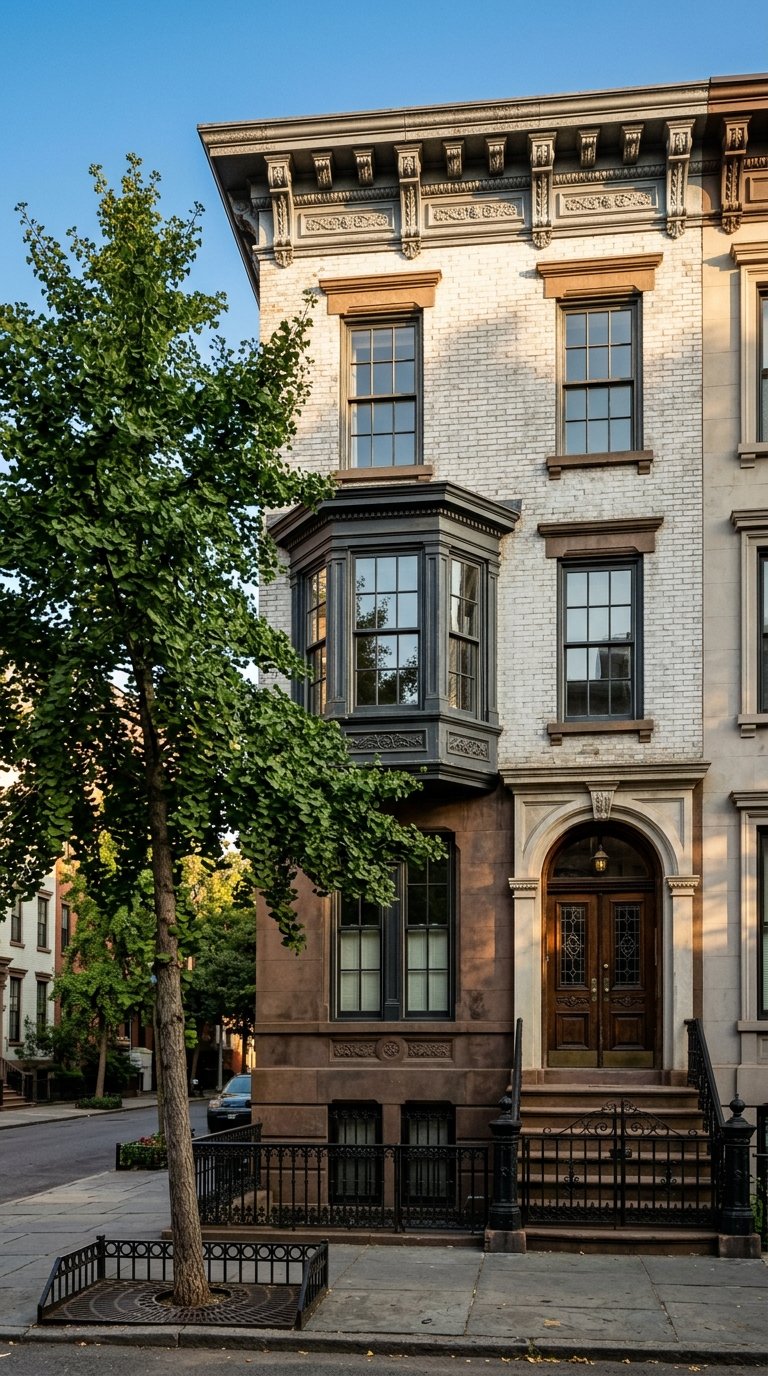
If you picture Hamilton Heights as just a brownstone neighborhood, you are only seeing part of the story. This pocket of Upper Manhattan has a richer architectural mix, with townhouse rows, prewar apartment houses, and a few standout mansion-scale buildings that create a different feel from block to block. If you are trying to understand what you are really buying here, this guide will help you read the streetscape, spot key townhouse features, and make sense of how Hamilton Heights compares with nearby areas. Let’s dive in.
Why Hamilton Heights Looks So Varied
Hamilton Heights is best understood as a layered historic neighborhood, not a one-style district. The area includes several landmarked districts and extensions designated over time, including the original Hamilton Heights Historic District and the Hamilton Heights/Sugar Hill districts.
That landmark framework matters because it helps explain why the neighborhood still feels visually cohesive while offering real variation. On some blocks, you will find long runs of low-rise rowhouses with stoops and raised front yards. On others, the architectural rhythm shifts toward larger apartment houses with a more multifamily character.
This mix is part of what makes Hamilton Heights appealing to buyers who want historic character without a copy-and-paste streetscape. According to local historic district descriptions, the neighborhood developed largely in the late 19th and early 20th centuries, and that layered growth still shows up clearly today.
The Main Housing Types You Will See
Townhouses and rowhouses
Many buyers come to Hamilton Heights looking for classic Manhattan townhouse architecture. Here, that often means three- and four-story rowhouses or townhouses with stoops, a raised parlor floor, and detailed masonry that gives each row a sense of rhythm and individuality.
These homes are often what people casually call brownstones, but that term can be misleading. In practice, Hamilton Heights rowhouses may be clad in brick and brownstone or limestone, so the look is broader than one material alone.
Prewar apartment houses
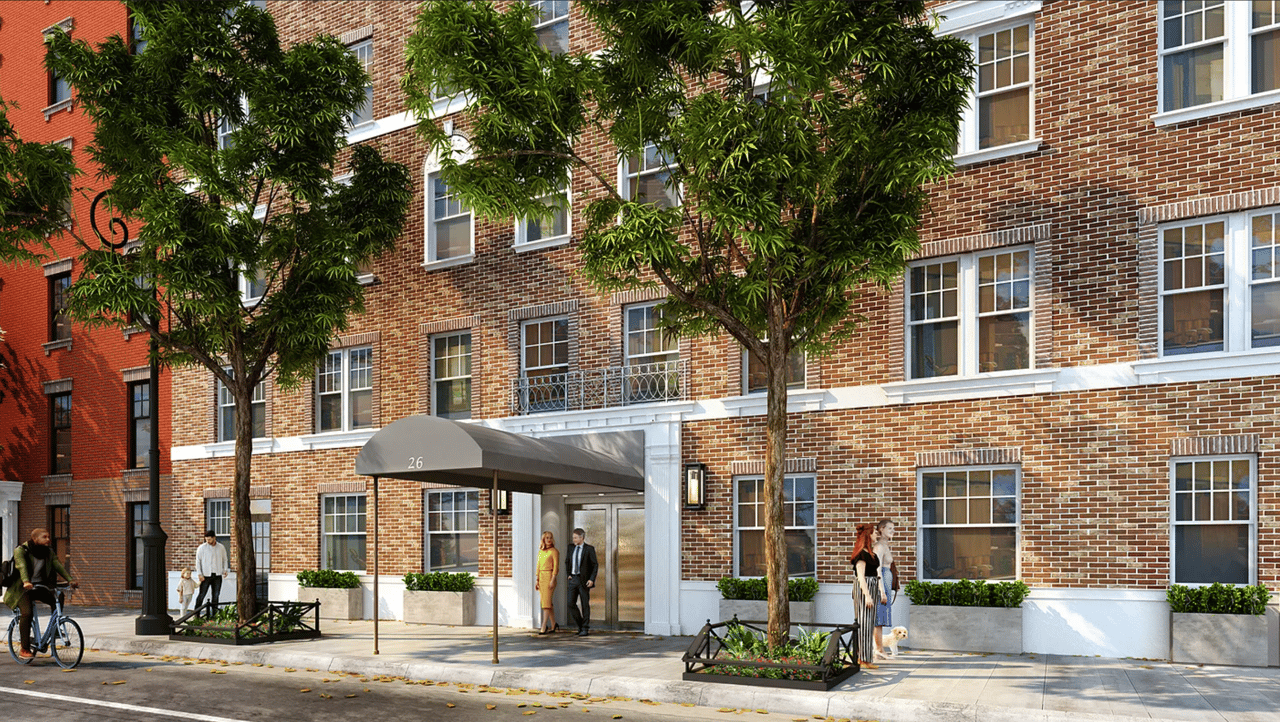
Hamilton Heights is not only a townhouse market. Historic district descriptions also highlight finely detailed apartment buildings, especially in the Sugar Hill sections and on broader streets.
Some of the earliest apartment houses were five-story walkups, often described historically as French flats with private halls and modern plumbing for the time. Later apartment buildings grew larger, and some became elevator-served, especially after the 1904 subway improved access to the area.
Mansion-scale outliers
You will also find occasional freestanding or mansion-scale homes, though these are relatively uncommon. Their rarity gives them a distinct presence within the neighborhood and reinforces the sense that Hamilton Heights is a collection of micro-markets rather than one uniform housing stock.
The Townhouse Styles That Define the Area
Hamilton Heights has a broad late 19th- and early 20th-century design vocabulary. District summaries point to styles including Neo-Grec, Queen Anne, Romanesque Revival, Renaissance Revival, Beaux-Arts, Colonial Revival, French, and Northern Renaissance Revival.
For you as a buyer, that means the neighborhood can feel elegant, textured, and highly specific from one block to the next. One row may lean more formal and classical, while another may feel more expressive through masonry, window surrounds, and cornice lines.
That variation is one reason a block-by-block approach matters here. In Hamilton Heights, two homes with similar square footage can offer very different curb appeal, facade materials, and architectural detail depending on where they sit within the district.
What to Look for in a Hamilton Heights Townhouse
If you are touring townhouses, exterior details often tell you a lot before you even step inside. In landmarked rowhouse neighborhoods, buyers tend to notice the original design elements that give a home its authenticity and visual impact.
Key features to watch for include:
- Stoops and raised entries
- Brownstone or limestone steps
- Wrought-iron railings
- Architraves around doors and windows
- Decorative masonry
- Six-over-six windows
- Classical cornices
These details are not just aesthetic. They also shape how the home presents from the street, how much original character remains, and what future exterior work may involve.
How Traditional Layouts Usually Work
Inside a classic New York rowhouse, the layout often follows a familiar pattern. A traditional plan typically has a parlor-floor entry reached by a side stoop, with the house arranged two rooms deep and a side stair hall.
In many older homes, the raised main level places the foyer and parlor together on the upper first floor. In later rowhouse planning, the American Basement arrangement moved the main entrance to ground level and created a larger foyer sequence.
For buyers, these layout differences affect daily life more than you might expect. Entry flow, garden access, entertaining space, and the feel of the main level can all shift depending on whether the home follows a classic parlor-floor plan or a later configuration.
What Apartment-Building Buyers Should Notice
If you are considering an apartment house in Hamilton Heights, facade style is only part of the picture. The building’s internal logic can matter just as much.
In the early Sugar Hill apartment houses, the design emphasis was on more comfortable multifamily living than earlier tenement-era models. Today, that means it is useful to pay attention to whether a building appears to retain its original circulation patterns, lobby scale, and floor-plan logic.
You may also want to distinguish between early walkups and later elevator buildings. That difference can shape not only convenience, but also the overall building experience and how the property fits your lifestyle priorities.
Historic District Rules Matter Here
Because much of Hamilton Heights is landmarked, exterior work often comes with added review. In these districts, many visible changes to facades, windows, doors, stoops, and related exterior elements require approval from the New York City Landmarks Preservation Commission.
That does not mean ownership is restrictive in a negative sense. It does mean renovation-minded buyers should go in with clear expectations, especially if they hope to alter visible exterior features.
Some like-for-like maintenance may not require a permit, but most visible changes do. If you are buying a townhouse for a future restoration project, understanding that review process early can save time and frustration later.
Hamilton Heights vs. Nearby Neighborhoods
Compared with Central Harlem
Architecturally, Hamilton Heights shares some DNA with Central Harlem. Both areas include rowhouse-rich blocks with late 19th-century revival styles such as Neo-Grec, Queen Anne, Renaissance Revival, and Romanesque Revival.
Where Hamilton Heights stands apart is in the added variety. Sugar Hill introduces more apartment-house presence and a few mansion-scale exceptions, so the neighborhood often feels less uniform than a purely rowhouse-driven district.
Compared with Morningside Heights
Morningside Heights developed along a different path. Historic planning reports describe side streets with rowhouses and modest apartment buildings, while larger apartment houses and major institutions play a stronger role on the main corridors.
For a buyer, the practical distinction is that Hamilton Heights tends to feel more residential in a townhouse-row sense, while Morningside Heights often reads as more institution-shaped and more dominated by larger apartment-house forms on key avenues.
Why Block-by-Block Knowledge Matters
One of the most useful ways to think about Hamilton Heights is as a neighborhood of submarkets. The lower Hamilton Heights district, the Sugar Hill rowhouse areas, and the apartment-house streets closer to the avenues can each offer a different visual and practical experience.
That matters when you are comparing homes. A townhouse buyer may prioritize stoop presence, facade integrity, and layout. An apartment buyer may care more about building scale, walk-up versus elevator access, and how much original prewar character remains in common spaces.
This is exactly why broad neighborhood labels can fall short in Manhattan. In Hamilton Heights, the better question is not just whether you want the neighborhood. It is which block, which building type, and which architectural experience fit you best.
What This Means for Buyers Today
If you are searching in Hamilton Heights, the neighborhood rewards close observation. It offers historic character, but not in a one-note way.
You may find yourself choosing between a stoop-front townhouse, a prewar apartment house with period detail, or a building on a block that feels noticeably different just a few streets away. That range is part of the appeal, but it also means the best decision usually comes from careful, block-level comparison rather than a generic neighborhood search.
With the right guidance, you can narrow in on the housing type, street character, and architectural details that match how you want to live. If you want help evaluating Hamilton Heights block by block, property type by property type, schedule a no-pressure consultation with Julia Boland.
FAQs
What architectural styles are common in Hamilton Heights townhouses?
- Hamilton Heights includes a range of revival styles, including Neo-Grec, Queen Anne, Romanesque Revival, Renaissance Revival, Beaux-Arts, Colonial Revival, French, and Northern Renaissance Revival.
What kinds of homes can you buy in Hamilton Heights?
- Buyers are likely to encounter three- and four-story rowhouses and townhouses, larger prewar apartment houses, and occasional freestanding or mansion-scale homes.
What does landmark status mean for Hamilton Heights homeowners?
- In landmarked historic districts, many visible exterior changes such as work on windows, doors, stoops, and facades usually require review by the New York City Landmarks Preservation Commission.
What is a typical townhouse layout in Hamilton Heights?
- Many traditional rowhouses follow a parlor-floor plan reached by a side stoop, with the home arranged two rooms deep and a side stair hall.
How is Hamilton Heights different from Morningside Heights architecturally?
- Hamilton Heights generally has a more townhouse-row character with mixed apartment-house pockets, while Morningside Heights is more closely associated with larger apartment houses and a stronger institutional presence on major corridors.
Why do Hamilton Heights blocks feel so different from one another?
- The neighborhood developed as a mix of townhouse rows, apartment-house streets, and a few larger outlier homes, so the architectural character can change noticeably from block to block.