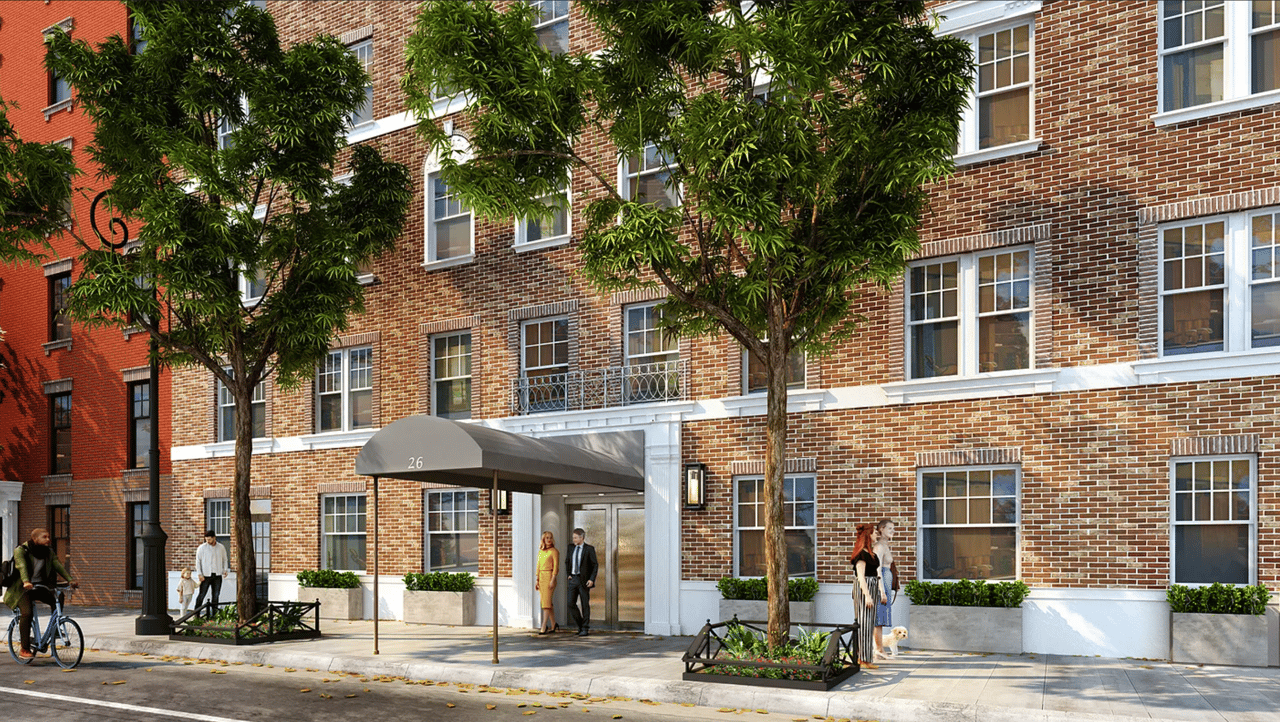
If you are shopping for a condo in Greenwich Village, you are not just buying square footage. You are buying into one of Manhattan’s most established and tightly held neighborhood markets, where historic streets, older buildings, and limited inventory shape almost every decision. That can feel exciting and a little daunting at the same time, especially if you are comparing the Village to neighborhoods with more modern condo supply. This guide will help you understand how Greenwich Village condos differ, what to watch in due diligence, and how to think about tradeoffs before you move forward. Let’s dive in.
Why Greenwich Village condos feel different
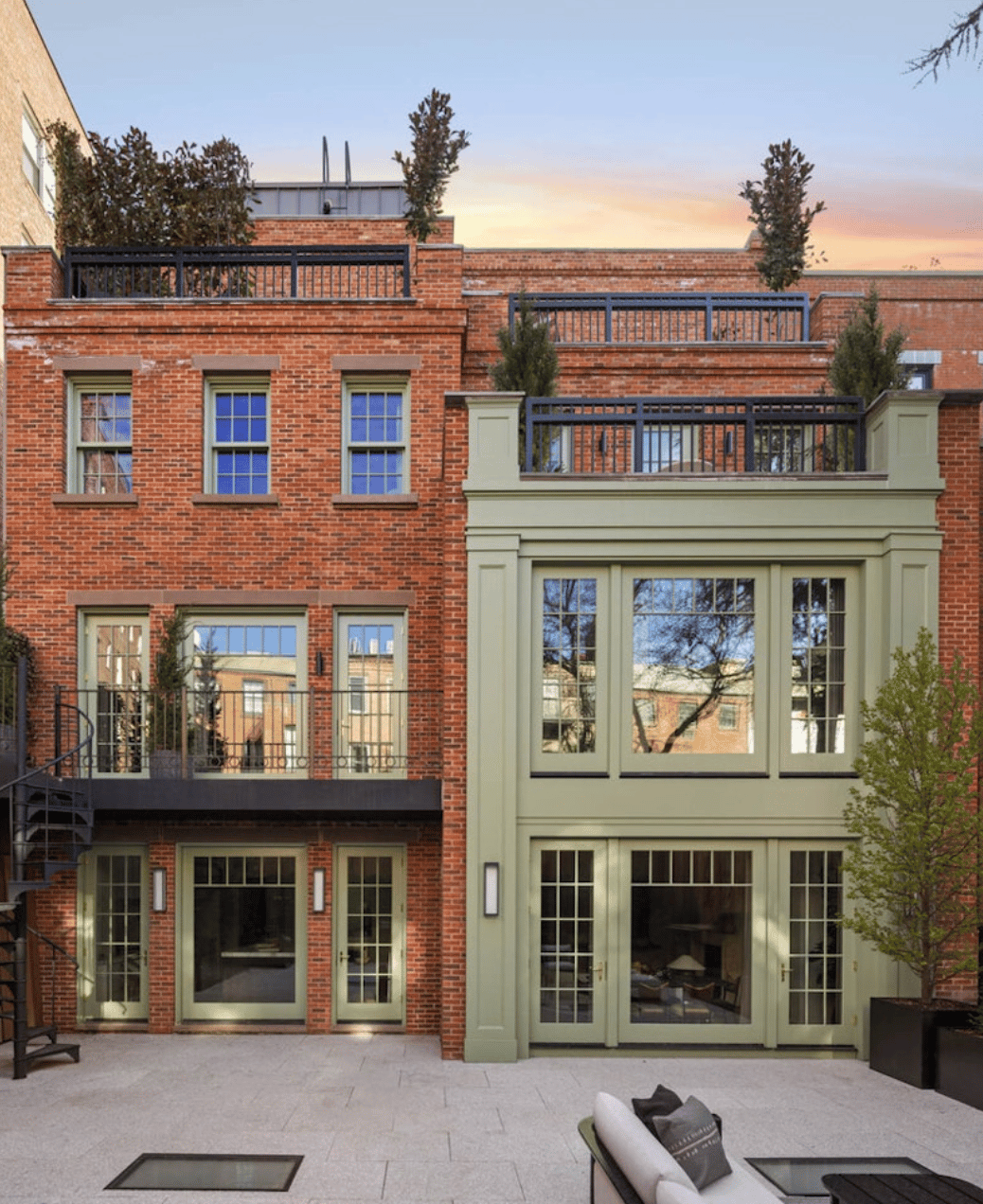
Greenwich Village does not behave like a new-tower condo market. Much of the neighborhood is defined by low-rise streetscapes, older building stock, and preservation rules that have limited large-scale redevelopment. The Greenwich Village Historic District, designated in 1969, includes more than 2,000 buildings across 65 blocks, which helps explain why the area feels architecturally consistent and distinct.
For you as a buyer, that usually means more boutique buildings, more prewar homes, and more conversions or adaptive reuse properties. It also means you should not expect the same level of inventory you might find in areas built around newer high-rise development. In Greenwich Village, the appeal is often about character, location, and long-term scarcity rather than sheer amenity volume.
StreetEasy notes that the neighborhood’s housing stock is older, with many walk-ups and no high-rises. That can be a plus if you value classic Manhattan scale and a more intimate building feel. It can also mean smaller kitchens, smaller baths, and fewer building perks than you might find elsewhere downtown.
What pricing looks like today
Greenwich Village is an expensive market, but it helps to think in ranges rather than chase one headline number. Recent snapshots show median sale prices from about $1.6 million to $1.8 million depending on the source and timeframe, while median listing prices can differ from closed-sale numbers. The big takeaway is not the exact number. It is that pricing varies meaningfully by unit size, condition, building type, and whether you are looking at asking prices or actual closings.
A practical way to frame the market is by common asking bands:
- Studios are appearing roughly from the mid-$500,000s to about $950,000
- Many one-bedrooms and small two-bedrooms cluster around $1.3 million to $2.1 million
- Larger or premium homes often begin around the mid-$5 million range and can quickly move into eight figures
If you are comparison shopping downtown, Greenwich Village often lands above the East Village and West Village on median sale price, near Chelsea, and below SoHo based on StreetEasy neighborhood comparisons. That makes it useful as a middle point for buyers balancing budget, location, and prestige.
Limited inventory shapes the search
One of the biggest things condo buyers should know in Greenwich Village is that supply is tight. StreetEasy currently shows only 58 condos for sale in the neighborhood, and its broader neighborhood page describes the market as competitive because of limited housing stock and broad appeal.
That scarcity affects how you should search. You may need to act quickly when the right apartment appears, but you also need enough discipline to avoid stretching for a home that does not fit your real priorities. In a low-inventory neighborhood, it is easy to confuse rarity with value. They are not always the same thing.
This is where a building-by-building and block-by-block approach matters. Two condos with similar square footage can feel very different based on exposure, floor level, building condition, noise pattern, layout efficiency, and how much future work the building may need.
What condo buying is like here
Many buyers come to Greenwich Village wondering if buying a condo will feel like buying a co-op. In most cases, the answer is no. A condo purchase in New York is generally less restrictive than a co-op purchase because the board usually does not approve or reject buyers in the same way a co-op board does.
That said, condo buying is not hands-off. A condo association may have a right of first refusal, and you still need to review the offering plan, financials, title, and lien search carefully. The lighter approval structure does not reduce the importance of due diligence. It simply shifts the focus away from a co-op-style interview and toward the building’s documents and condition.
For many buyers, that is good news. If you want more flexibility in ownership or a process with fewer personal approval hurdles, condos can be appealing. But in Greenwich Village, where many buildings are older and more specialized, the real work often happens in document review.
Due diligence matters even more in older buildings
The most important part of your condo search may be the part you never see during an open house. Before you commit, review the declaration, by-laws, floor plans, and house rules. The New York Attorney General says these materials should be available for inspection, and unit owners are required to comply with the condominium’s by-laws, regulations, resolutions, and decisions.
Just as important, read the board minutes and financial reports. The Attorney General’s buyer guidance specifically points buyers to minutes, financial statements, and conversations with board members, agents, and sponsors because these sources can reveal defects, pending repairs, and building concerns that are not obvious from a showing.
In a neighborhood like Greenwich Village, this is especially important because many buildings are older. Pay close attention to big-ticket systems and components, including:
- Facades
- Roofs
- Elevators
- Windows
- Plumbing
- Electrical systems
- HVAC, where applicable
If a building has deferred maintenance or a major capital project ahead, that can affect your monthly costs and your near-term ownership experience. A beautiful apartment in a stressed building can become a much more expensive purchase than it first appears.
Watch for sponsor control in newer condos
If you are considering a newer or recently converted condominium, ask whether the sponsor still controls the board. According to the New York Attorney General, sponsors usually control the Board of Managers until they sell more than 50 percent of the common interest or until five years have passed from the first closing, whichever comes first. In some new-construction situations, that period can last longer.
Why does that matter to you? Sponsor control can affect how decisions are made, how building issues are handled, and how aligned the board is with resident owners. It does not automatically signal a problem, but it is something to understand before you buy.
Landmark rules can affect future plans
Greenwich Village buyers also need to think beyond the apartment itself. Much of the area falls within landmarked or historic district contexts, and that can influence what changes are possible at the building level. According to the Landmarks Preservation Commission, alterations, reconstruction, demolition, or new construction affecting a designated building require advance approval, and exterior work in a historic district typically requires a permit.
For condo owners, this often matters most when work touches exteriors. Windows, facades, terraces, roof elements, and storefront-related changes can all fall under review depending on the building and scope of work. Ordinary exterior maintenance and some small repairs may not require review, but you should never assume that a planned change will be simple.
This is not a reason to avoid the neighborhood. It is just part of buying in a place where preservation is a major reason the streetscape feels so special. If you are considering a home with renovation potential, make sure your expectations match the rules that may apply.
Lifestyle tradeoffs to think through
Greenwich Village offers a rare mix of central location, strong transit access, dining, nightlife, and historic charm. For many buyers, that blend is exactly the point. But it is smart to think honestly about how you want the neighborhood to feel day to day.
Blocks near Washington Square Park, MacDougal Street, West 4th Street, and Christopher Street are generally more active because of nightlife, foot traffic, and nearby transit. Side streets farther from those anchors often feel calmer and more residential. That is not a formal distinction, but it is a useful way to understand the neighborhood rhythm when you tour.
Transit is a clear strength. West 4th Street–Washington Square serves the A, B, C, D, E, F, and M trains, and the west side of the Village also benefits from Christopher Street/Sheridan Square and PATH access. If you want a neighborhood that feels deeply Manhattan but stays highly connected, Greenwich Village checks that box well.
How to set realistic expectations
The right Greenwich Village condo search starts with clear expectations. If you expect a sleek tower, oversized layouts, and a long amenity list, this may not be your best fit. If you value location, rarity, architectural character, and the feel of a more intimate building, the neighborhood may make a lot of sense.
Try to rank your priorities before you begin touring seriously. Ask yourself whether your top goal is outdoor space, elevator access, scale, renovated condition, quiet, flexible ownership, or long-term neighborhood appeal. In Greenwich Village, tradeoffs are common, so knowing what matters most can save you time and help you make a more confident decision.
A thoughtful strategy matters here because the condo market is not uniform. In Manhattan, price point, property type, and even the exact block can shift the right approach. Greenwich Village is one of the clearest examples of that reality.
If you are weighing condo options in Greenwich Village and want a clear, building-specific strategy, Julia Boland offers no-pressure guidance grounded in Manhattan micro-market expertise.
FAQs
How competitive is the Greenwich Village condo market?
- Inventory is very limited. StreetEasy currently shows 58 condos for sale, and the neighborhood is widely considered competitive because supply is tight.
Do Greenwich Village condo buyers face co-op board interviews?
- Usually no. Condo purchases generally focus more on document review and building due diligence, though some associations may have a right of first refusal.
Are many Greenwich Village condos in landmarked areas?
- Yes. Much of Greenwich Village is shaped by historic district and landmark rules, which can affect exterior work and certain building-level changes.
What should condo buyers inspect most carefully in Greenwich Village buildings?
- Focus closely on the building envelope and core systems, especially facades, roofs, elevators, windows, plumbing, electrical systems, and HVAC where relevant.
Should buyers expect luxury high-rise amenities in Greenwich Village condos?
- Usually not. The neighborhood is known for older, lower-rise, boutique housing stock rather than a large supply of modern tower buildings with extensive amenity packages.