By The Boland Team at The Corcoran Group
Moving into a smaller home can free up time, budget, and energy, but only if the new place fits how you live. In Carnegie Hill, downsizing usually means weighing a townhouse, a prewar co-op, and a newer condo, each with its own trade-offs. We wrote this guide to help you sort through those choices and plan a move that feels like a step forward. Here’s how to approach downsizing in Carnegie Hill with clarity.
Key Takeaways
- Define what you need every day before comparing square footage.
- Co-ops and condos in Carnegie Hill carry different costs and approval steps.
- Sequencing your sale and purchase protects your budget and timeline.
- Where you land within the neighborhood shapes daily convenience.
Start With How You Actually Live
Downsizing works best when it starts with habits rather than room counts. A home with fewer rooms can still feel generous when the layout matches your routines.
Carnegie Hill makes this easier because so much of daily life happens beyond your front door. Museum Mile, Central Park, and the shops along Madison Avenue can take the place of rooms you rarely used. A morning in the Conservatory Garden or an afternoon at the Guggenheim becomes part of your routine rather than a special outing.
Carnegie Hill makes this easier because so much of daily life happens beyond your front door. Museum Mile, Central Park, and the shops along Madison Avenue can take the place of rooms you rarely used. A morning in the Conservatory Garden or an afternoon at the Guggenheim becomes part of your routine rather than a special outing.
Questions That Clarify Your Must-Haves
- Which rooms do you use every day, and which mostly hold furniture or storage?
- Do you host overnight guests often enough to need a dedicated guest room?
- How much of your current furniture, art, and library will move with you?
- Do you need a full home office, or will a nook off the living room work?
Comparing Home Types in Carnegie Hill
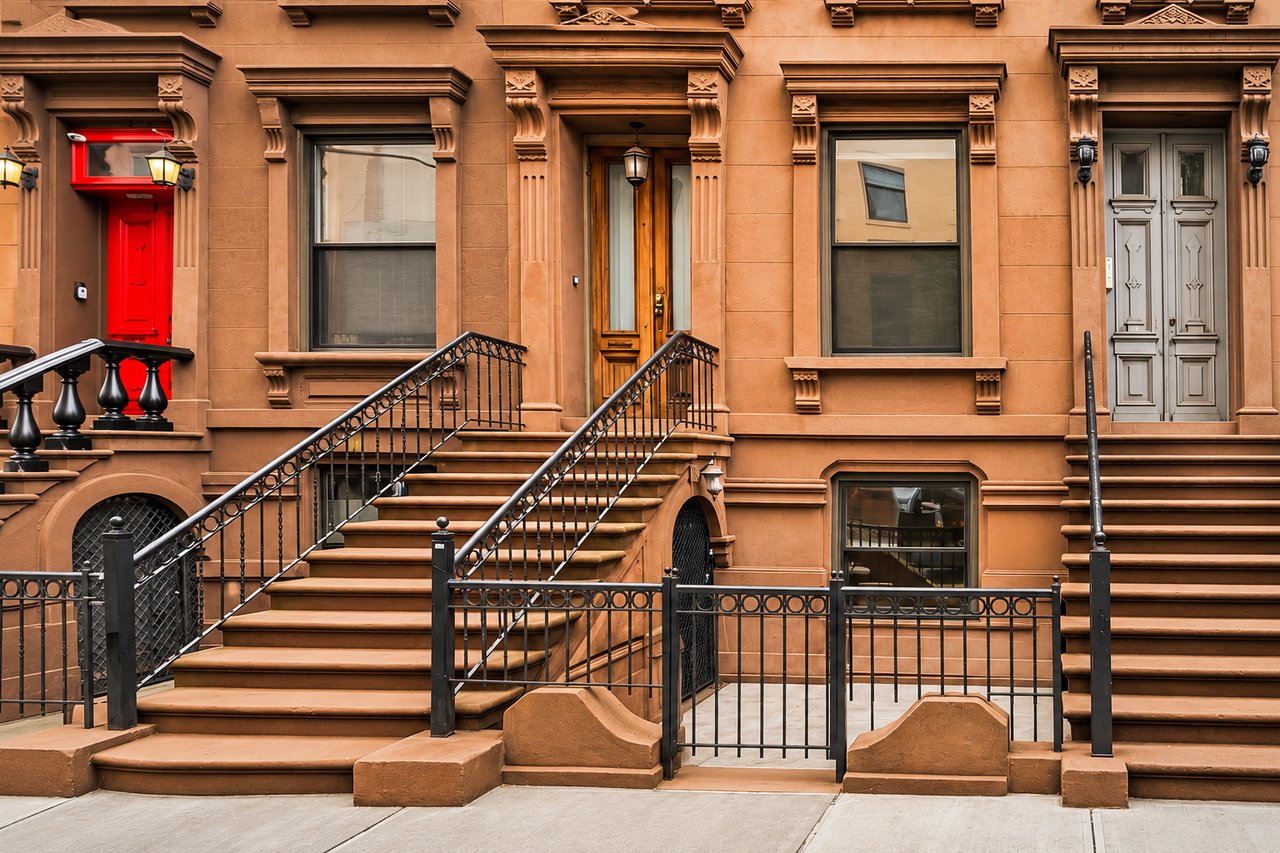
Carnegie Hill offers a wide mix of housing, from brownstones and townhouses on the side streets to large apartment buildings along Park and Fifth Avenues. Much of the neighborhood sits within the Carnegie Hill Historic District, designated in 1974 and expanded in 1993, so the streetscape tends to stay consistent as individual homes change hands.
That consistency gives you room to focus on the home itself. The bigger question is which ownership structure suits the next chapter.
That consistency gives you room to focus on the home itself. The bigger question is which ownership structure suits the next chapter.
How Each Option Shapes Life After Downsizing
- Prewar co-ops: These often feature generous room proportions and doorman service, with monthly maintenance that typically includes the building’s property taxes.
- Condominiums: These usually allow more flexibility on renting and resale, with common charges and real estate taxes billed separately.
- Converted townhouse apartments: Floor-through units in divided side-street townhouses keep a brownstone feel with far less to maintain.
- Newer developments: Amenities like fitness rooms, package rooms, and private storage can offset a smaller footprint.
Planning the Financial Side of a Downsize
The numbers behind a downsize can surprise people in both directions. Monthly costs may drop sharply, while transaction costs on both the sale and the purchase deserve careful planning.
Mapping these figures early also strengthens your position. A clear budget lets you act quickly when the right apartment comes up.
Mapping these figures early also strengthens your position. A clear budget lets you act quickly when the right apartment comes up.
Costs and Steps to Map Out Early
- Co-op board requirements: Many Carnegie Hill co-ops review full financial statements and require post-closing liquidity, so gather documentation before you shop.
- Flip taxes: Some co-ops charge a transfer fee when you sell, which reduces your net proceeds.
- Mansion tax: New York’s mansion tax applies to residential purchases of $1 million or more, and the rate rises with price in New York City.
- Sale and purchase timing: Choosing to sell first, buy first, or close on both together determines whether you need bridge financing or a short-term rental.
Choosing the Right Spot Within Carnegie Hill
Even in a neighborhood that spans roughly East 86th to East 98th Street, location changes the day-to-day experience. A home near Fifth Avenue puts Central Park and the museums at your door, while a spot closer to Lexington Avenue shortens the trip to the subway.
Think about where you spend most of your time now. The right block can make a smaller home feel larger by keeping favorite places close.
Think about where you spend most of your time now. The right block can make a smaller home feel larger by keeping favorite places close.
Local Anchors Worth Living Near
- Museum Mile: The Neue Galerie, the Guggenheim, Cooper Hewitt in the former Andrew Carnegie Mansion, and the Jewish Museum line Fifth Avenue between 86th and 92nd Streets.
- 92NY: The cultural center at Lexington Avenue and 92nd Street hosts talks, concerts, and classes throughout the year.
- Transit: The Lexington Avenue line stops at 86th Street and 96th Street, and the Q train serves Second Avenue at the same two streets.
- Madison Avenue: The Corner Bookstore at 93rd Street and the restaurants along Madison make it an easy daily stop.
FAQs
Should I choose a co-op or a condo when downsizing in Carnegie Hill?
It depends on your priorities. Co-ops often offer more space for the price, while condos tend to offer more flexibility on renting and resale. We can walk you through specific buildings so you can compare them side by side.
Should I sell my current home before buying a smaller one?
That depends on your finances, your timeline, and how comfortable you are carrying two homes. We can help you map out each scenario so the order of your move supports your goals.
How do I decide what furniture to bring?
Start with a measured floor plan of the new home and mark the pieces you use every day. Prewar rooms often have unique proportions, so measuring before you move saves time and stress. Pieces that don’t make the cut can be consigned, donated, or stored while you settle in.
Reach Out to The Boland Team at The Corcoran Group
Downsizing in Carnegie Hill doesn’t mean giving up the blocks, parks, and museums you love. With a clear plan, a smaller home can make daily life simpler and more enjoyable. Thoughtful planning on layout, costs, and location makes all the difference.
At The Boland Team at The Corcoran Group, we’d love to help you find a home that fits this next chapter. Reach out to us to start the conversation.
At The Boland Team at The Corcoran Group, we’d love to help you find a home that fits this next chapter. Reach out to us to start the conversation.