By Julia Boland
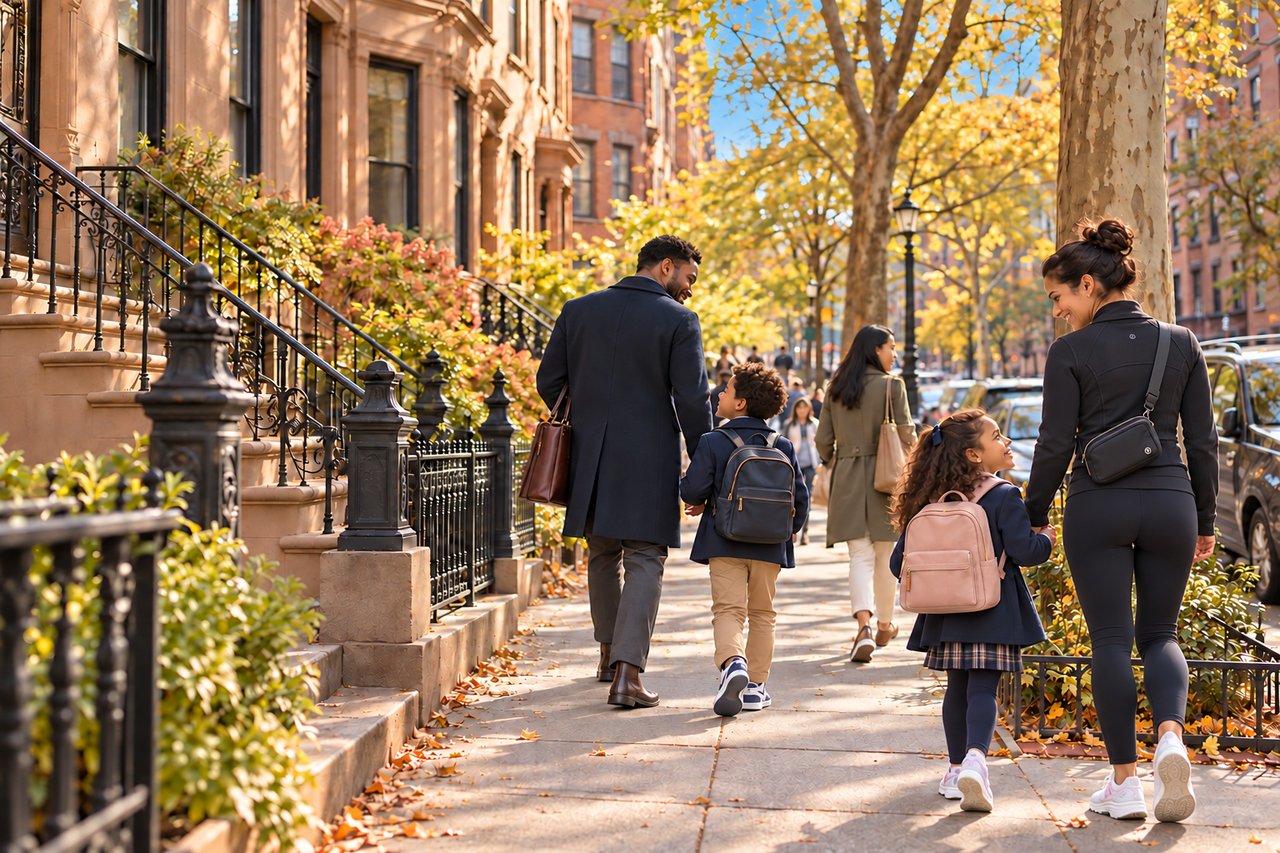
When I tour Harlem with clients, architecture is often the moment when everything clicks. Buyers may come in focused on layout or price, but once they stand on a block lined with preserved townhouses, the conversation shifts. Harlem’s built environment tells a story block by block, and that story continues to shape value, buyer demand, and long-term ownership decisions.
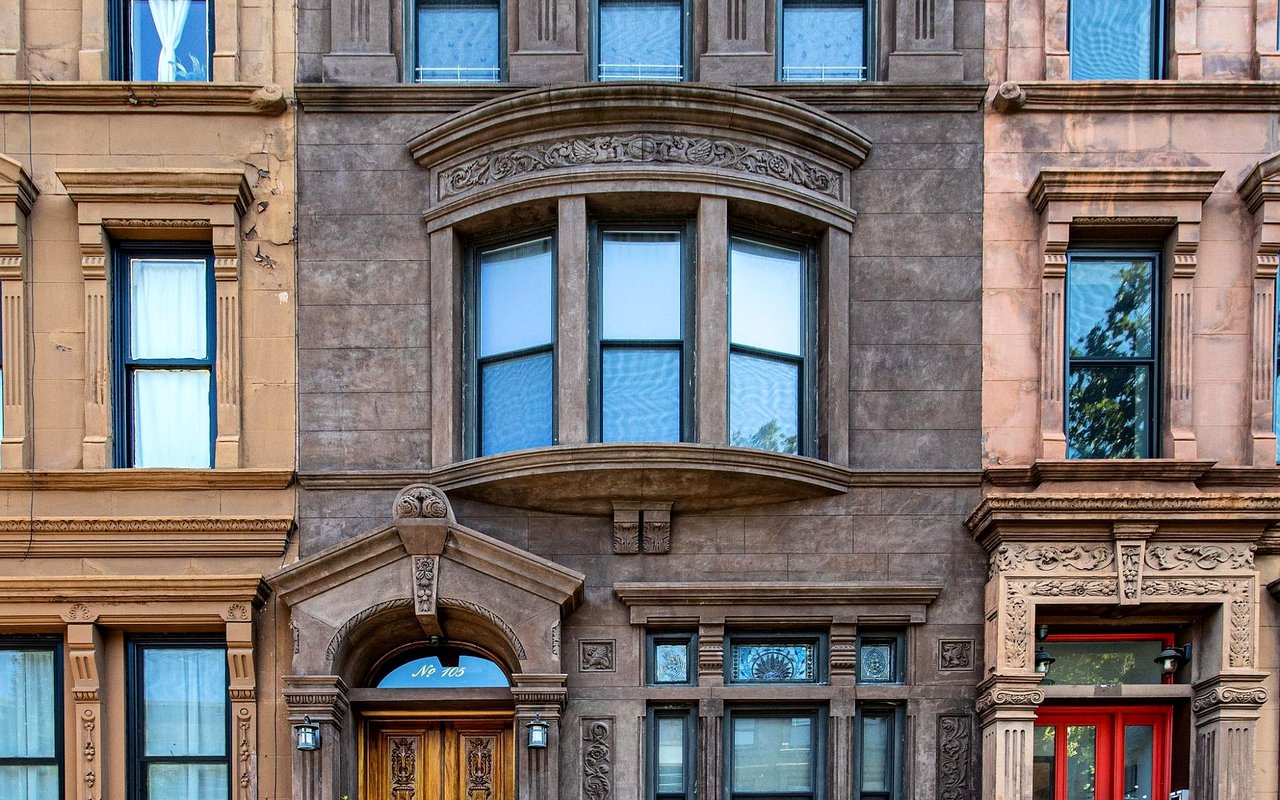
Harlem townhouse architecture reflects layered history, thoughtful urban planning, and a scale that still feels livable today.
Key Takeaways
-
Distinct architectural eras
-
Consistent residential scale
-
Strong preservation influence
-
Long-term buyer confidence
The Origins of Harlem’s Townhouse Landscape
Much of Harlem’s townhouse stock was built between the late 1800s and early 1900s, during periods of rapid residential expansion.
Why the Original Development Matters
-
Planned residential streets: Townhouses were built in cohesive rows rather than piecemeal.
-
Middle- and upper-class intent: Early builders targeted long-term urban living.
-
Durable construction methods: Masonry and stone were chosen for longevity.
These origins help explain why so many of these homes remain structurally relevant more than a century later.
Key Architectural Styles Found in Harlem
One of the most compelling aspects of buying here is stylistic variety within a consistent framework. Styles change subtly rather than abruptly.
Common Styles Buyers Encounter
-
Italianate: Tall windows, decorative cornices, and vertical emphasis.
-
Neo-Grec: Angular details and incised stonework that feel bold and graphic.
-
Renaissance Revival: Symmetry, arches, and classical proportions.
This mix adds richness to Harlem townhouse architecture while maintaining visual cohesion.
Materials and Facade Details
Material choice plays a significant role in how these homes age. Buyers often notice that even unrenovated properties carry a sense of solidity.
Exterior Elements That Define the Streetscape
-
Brownstone and limestone facades: Materials that weather gracefully over time.
-
High stoops: Elevation that creates separation from the street.
-
Ornamental details: Carved lintels, cornices, and ironwork.
These features are structural expressions of the era in which the homes were built.
Preservation and Historic District Influence
Many Harlem blocks fall within designated historic districts, which directly affects exterior changes. I always make sure buyers understand how this works before they fall in love with a property.
What Preservation Protects
-
Facade integrity: Preventing drastic exterior alterations.
-
Streetscape consistency: Maintaining block-level cohesion.
-
Long-term value stability: Reducing the risk of incompatible development.
For buyers who value predictability, these protections are often seen as a benefit rather than a limitation.
Renovation Within an Architectural Context
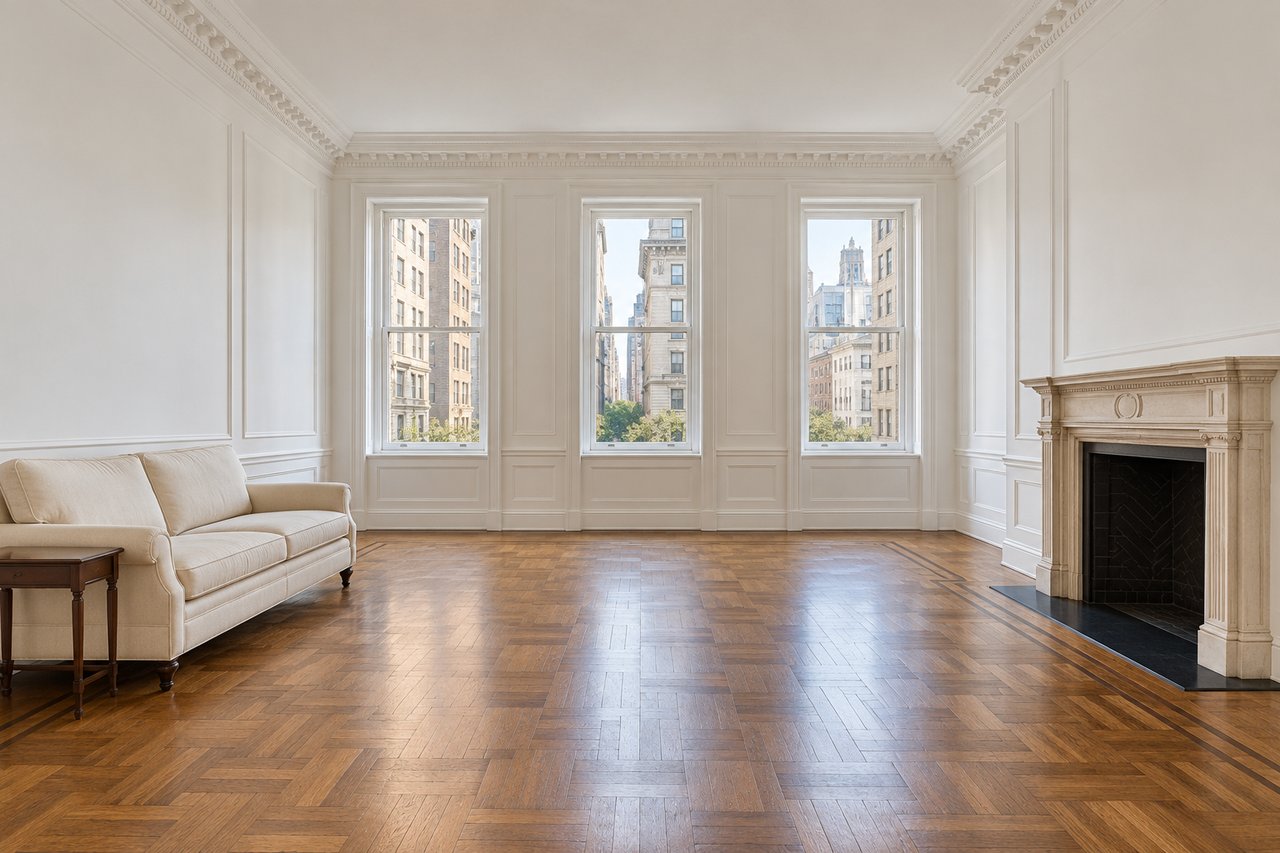
Renovating a Harlem townhouse requires respect for original design, but it also offers flexibility. I guide clients toward updates that enhance livability without erasing character.
Smart Renovation Approaches
-
Interior modernization: Updating systems while preserving proportions.
-
Rear extensions: Adding space in ways that respect the original massing.
-
Material continuity: Using finishes that complement historic elements.
When done well, renovations reinforce the architectural story rather than interrupt it.
How Architecture Shapes Buyer Demand
Architecture influences who buys, how long they stay, and how properties perform over time. I see this play out consistently in Harlem.
Buyer Behaviors Tied to Architecture
-
Longer holding periods: Owners tend to stay invested.
-
Emotional connection: Buyers feel part of something enduring.
-
Stronger resale narratives: Architecture supports compelling positioning.
Harlem townhouse architecture often becomes the deciding factor when buyers compare neighborhoods.
Architectural Identity Across Different Harlem Areas
While Harlem shares a common architectural language, each sub-area expresses it in its own way. I help buyers understand these nuances as they narrow their search.
Variations Buyers Should Know
-
Mount Morris Park area: Highly cohesive, park-oriented blocks.
-
West Harlem streets: Larger-scale homes with grander proportions.
-
Central Harlem rows: Dense concentrations of classic styles.
These distinctions allow buyers to align architecture with lifestyle preferences.
Why This Architecture Endures in the Market
From a real estate perspective, replacement cost is a powerful concept. I remind buyers that replicating this type of housing today would be tough.
Market Factors Supporting Longevity
-
Scarcity of similar inventory: Finite supply of true townhouses.
-
Craftsmanship depth: Materials and labor that are rarely replicated.
-
Cultural recognition: Broad appreciation across buyer segments.
This helps explain why Harlem townhouse architecture continues to attract interest across market cycles.
FAQs
Is Harlem townhouse architecture protected?
Many blocks fall within historic districts that protect exterior features. This helps preserve architectural consistency.
Are these homes difficult to update?
Interior updates are typically flexible. Exterior changes require planning but protect long-term value.
Does architecture really affect resale value?
Yes, architectural integrity often strengthens demand and buyer confidence.
Contact Julia Boland Today
If you’re exploring Harlem real estate, understanding architectural context can completely change how you evaluate a property. I help buyers and sellers look beyond finishes and focus on structure, design, and long-term value. That approach leads to more confident decisions and stronger outcomes.
Reach out to me at The Julia Boland Team, and I’ll help you navigate opportunities shaped by Harlem townhouse architecture with insight grounded in real experience and a deep understanding of this remarkable neighborhood.
Reach out to me at The Julia Boland Team, and I’ll help you navigate opportunities shaped by Harlem townhouse architecture with insight grounded in real experience and a deep understanding of this remarkable neighborhood.