Manhattan Townhouses Are Moving Again, But Not Equally
Manhattan townhouse buyers have become far more selective and more specific about what they are willing to buy, a trend we have seen over the past few quarters reflected in the condo and co-op market as well. That is the real story inside Corcoran’s Q1 2026 Manhattan Townhouse Report.
At first glance, the numbers look strong. Manhattan townhouse closings rose to 47 in the first quarter, up 27% from a year earlier, while the median sale price climbed 14% to $6.5 million and the average price rose 29% to $9.451 million.
But this is not a simple “the market is up” story. The townhouse market is always more nuanced than the condo or co-op market because every property is its own category. Width, condition, outdoor space, elevator potential, rental income, landmark status, location, and emotional appeal all matter. Representing only about 1% of total Manhattan inventory, this is a highly specialized segment of the market.
In Q1, the market rewarded the houses that checked the right boxes and exposed the ones that did not. Increasingly, those “boxes” are being defined by end users rather than investors.
For buers, sellers, and long-term owners, the takeaway is clear: Manhattan townhouses are moving, but not equally.
Single-Family Townhouses Led the Quarter
The strongest part of the market was the single-family townhouse segment. Single-family sales rose from 20 closings in Q1 2025 to 31 closings in Q1 2026, a 55% year-over-year increase.
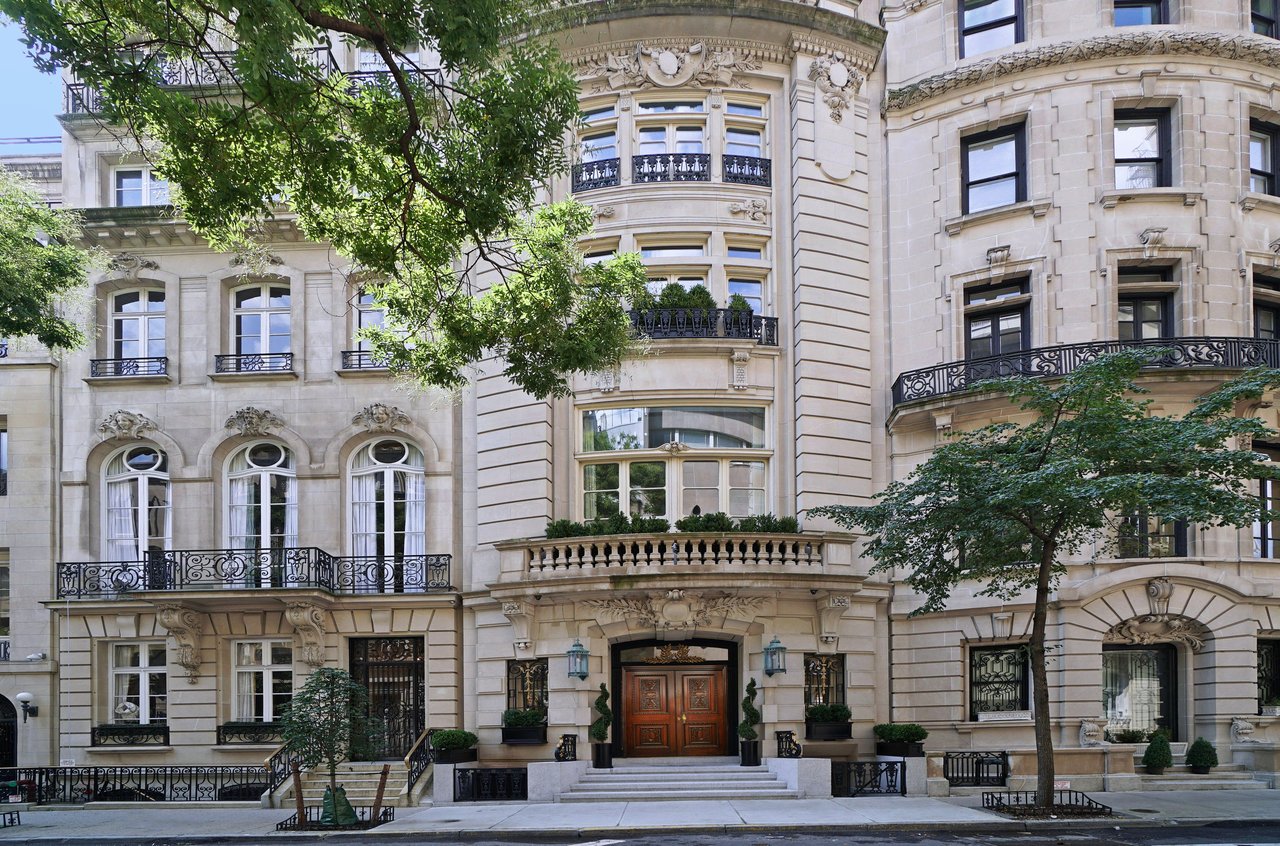
That matters because single-family townhouses are often the purest expression of the Manhattan townhouse dream. Buyers are not just purchasing square footage. They are buying privacy, control, architectural character, and the ability to live without board approval, elevator waits, or shared hallways.
They also offer insight into who is buying. These are luxury buyers, not the scrappy live-with-income buyers building portfolios through sweat equity. The pricing of the top sales supports that shift.
The average single-family townhouse sold for $11.546 million in Q1 2026, up 27% year over year, while average price per square foot rose 6% to $1,964. The median single-family price, however, declined 4% year over year to $7.3 million, which is a reminder that averages can be heavily influenced by very high-end sales.
In other words, strength is real, but it is not uniform. The best-positioned single-family homes are drawing serious attention. These are not casual buyers. They are prepared to act, but only when condition, layout, and pricing align. When they do not, even strong properties can sit.
The $5 Million to $10 Million Range Was the Sweet Spot
One of the most interesting findings in the report is where the activity happened. Sales in the $5 million to $10 million range doubled year over year, rising from 10 sales in Q1 2025 to 20 sales in Q1 2026.
That price band is important because it often captures the buyer who wants the townhouse lifestyle but is still comparing alternatives. They may be weighing a townhouse against a large condo, a classic prewar apartment, or a move to Brooklyn. When that buyer sees a Manhattan house that feels livable, valuable, and well priced, they will act.
At the same time, the under-$2 million segment shrank sharply, with only two sales in Q1 2026 versus seven a year earlier. That does not mean demand has vanished at the lower end. It more likely reflects the scarcity of true Manhattan townhouse options at that price point that do not require extensive renovation, and the tradeoffs buyers face when they do appear.
The message for sellers is straightforward. The market has depth, but buyers are doing the math. If a home needs work, has an awkward configuration, or is priced as though it were turnkey, the buyer pool narrows quickly.
Downtown and the East Side Remain Price Leaders
Downtown single-family townhouses continued to command the highest price per square foot in the report, while the East Side showed significant strength in both pricing and transaction volume.
These neighborhoods benefit from scarcity, established buyer confidence, and a long history of townhouse demand. A well-located house on the Upper East Side or downtown can attract a buyer who has been waiting for years for the right property. When the right house appears, the decision can happen quickly.
But even in these high-value markets, buyers are not indiscriminate. They are still evaluating renovation scope, mechanical systems, layout, taxes, and long-term resale value. The emotional pull of a townhouse is powerful, but the numbers still have to make sense.
Uptown Deserves a Closer Look
For me, one of the most important parts of the report is Uptown. Uptown single-family townhouse closings rose sharply, while price per square foot also increased, though it remains meaningfully below Downtown and the East Side.
That difference points to something more interesting than simple “value.”
In neighborhoods like Harlem and Hamilton Heights, demand right now is being driven far more by end users than investors. Buyers are actively looking for larger, single-family homes that are in good condition and ready to move into. They are not looking to take on the complexity of becoming landlords or operating income-producing properties.
That shift matters.
These buyers are decisive when the right property appears, but they are also highly disciplined on pricing. They understand condition, they understand tradeoffs, and they are making very deliberate decisions about value.
I have seen this play out firsthand with my listing at 146 West 119th Street, a beautiful single-family home on a historic townhouse block that is generating strong buyer activity.
The result, with this focus on single-family homes, is a market that is active but highly selective. Well-positioned homes are trading Uptown, but not at the prices we saw in 2021 when mortgage rates were lower.
Multi-Family Townhouses Tell a Different Story
The multi-family townhouse segment tells a different story, and it helps explain what is missing from this market.
While pricing metrics appear strong on paper, transaction volume softened slightly year over year. Behind those numbers is a clear shift. The investor buyer is less dominant than in previous cycles.
For many buyers today, the appeal of a townhouse is increasingly about lifestyle rather than income. That means fewer buyers are willing to take on tenant management, regulatory complexity, or renovation risk unless pricing reflects it.
As a result, multi-family properties often require more strategic positioning to find the right buyer.
For sellers, that means clarity matters. Are you selling income, conversion potential, or a lifestyle property with flexibility? The answer should shape the pricing, marketing, photography, floor plans, and buyer outreach from day one.
What This Means for Sellers
If you own a Manhattan townhouse, this is a good moment to understand your position. The market is active, but it is not forgiving.
Buyers are engaged, but they are not flexible on value.
The strongest sellers will be the ones who price with precision, understand their likely buyer, and position the property accordingly from day one. A townhouse that is presented as a generic listing can get lost. A townhouse that is positioned around its strongest use case can stand out.
That use case might be a turnkey single-family residence, a renovation opportunity, a live-with-income property, a family compound, or a long-term investment. The strategy should match the house.
In a market like this, pricing is no longer a strategy you test. It is a strategy you get right.
What This Means for Buyers
For buyers, the Q1 numbers confirm that good Manhattan townhouses still attract competition. Waiting for a broad market discount may not be the best strategy if the house is rare, well located, and properly priced.
That said, buyers should remain disciplined. Not every townhouse deserves a premium. Renovation budgets, landmark restrictions, rental regulations, mechanical systems, taxes, and resale potential all matter.
The right approach is not to chase every new listing. It is to know exactly what you are buying, what it will cost to own or improve, and how it compares to the very small set of truly relevant alternatives.
How to Approach This Market
The Q1 2026 Manhattan townhouse market was stronger than many expected, but it was not strong in a blanket way. Sales rose, pricing improved, and single-family homes led the market, but the details matter enormously.
This is a market defined by segmentation. Downtown is not Uptown. A single-family home is not the same as a four-family. A turnkey house is not the same as a project. A beautiful property with the wrong price is still the wrong listing and will linger on the market.
For buyers, sellers, and owners, the real question is not, “What is the townhouse market doing?” The better question is:
What is the market for this townhouse, on this block, in this condition, at this price?
That is where the opportunity is, and where the right guidance makes all the difference.
Curious what your townhouse is worth in today’s market?
In a market where pricing precision matters, understanding how your specific property fits into current buyer demand is critical. Two townhouses on the same block can command very different outcomes depending on condition, layout, and positioning.
If you would like a clear, no-obligation assessment of your home’s value, you can request one HERE. This includes a personalized review by me after the initial assessment, not just an automated estimate.
Written by Julia Boland, a 25+ year NYC Real Estate Advisor specializing in Manhattan condos, co-ops, townhouses, and new development. She is the author of Buying Smart in NYC: An Insider’s Guide to Condo & Co-op Buying.
Frequently Asked Questions About the Manhattan Townhouse Market
Are Manhattan townhouses a good investment right now?
They can be, but not in a broad, one-size-fits-all way. The current market is highly selective. Well-located, well-configured townhouses in good condition are attracting strong demand, while properties that require significant work or are mispriced are seeing less activity. The investment opportunity depends on the specific property and your strategy.
Why are townhouse prices rising in Manhattan?
Headline prices are rising, but that does not mean every townhouse is increasing in value. Much of the price growth is being driven by a higher number of high-end transactions, particularly in the $5 million to $10 million range and above. The mix of sales matters just as much as the prices themselves.
What is driving demand in the townhouse market right now?
Demand is being driven primarily by end users rather than investors. Buyers are looking for space, privacy, and control, and they are prioritizing single-family homes that are in good condition and ready to move into. Lifestyle is playing a larger role than income potential in many purchase decisions.
Are investors still active in the Manhattan townhouse market?
Investors are still present, but they are less dominant than in previous cycles. Many buyers today are less interested in managing tenants or taking on complex renovation projects unless pricing reflects those challenges. This has impacted demand for multi-family properties.
Is Harlem a good place to buy a townhouse?
Harlem and other Upper Manhattan neighborhoods offer a compelling value proposition, particularly for buyers looking for larger homes with architectural character. Demand is strongest for well-finished single-family homes, but buyers are very disciplined on pricing and condition.
Why are some townhouses sitting on the market?
In most cases, it comes down to pricing, condition, or positioning. Today’s buyers are well-informed and selective. If a property is priced as though it were turnkey but requires work, or if it lacks a clear use case, it is more likely to sit.
How long does it take to sell a townhouse in Manhattan?
There is no single timeline. Well-priced, move-in-ready properties can attract attention quickly, while others may take longer depending on condition, layout, and pricing strategy. In this market, preparation and positioning before launch can significantly impact timing.
How do I determine what my townhouse is worth?
Townhouse valuation is more complex than looking at recent sales or online estimates. Factors like width, layout, condition, outdoor space, and even block-by-block differences can significantly impact value. A personalized analysis is essential to understand where your property fits in the current market.