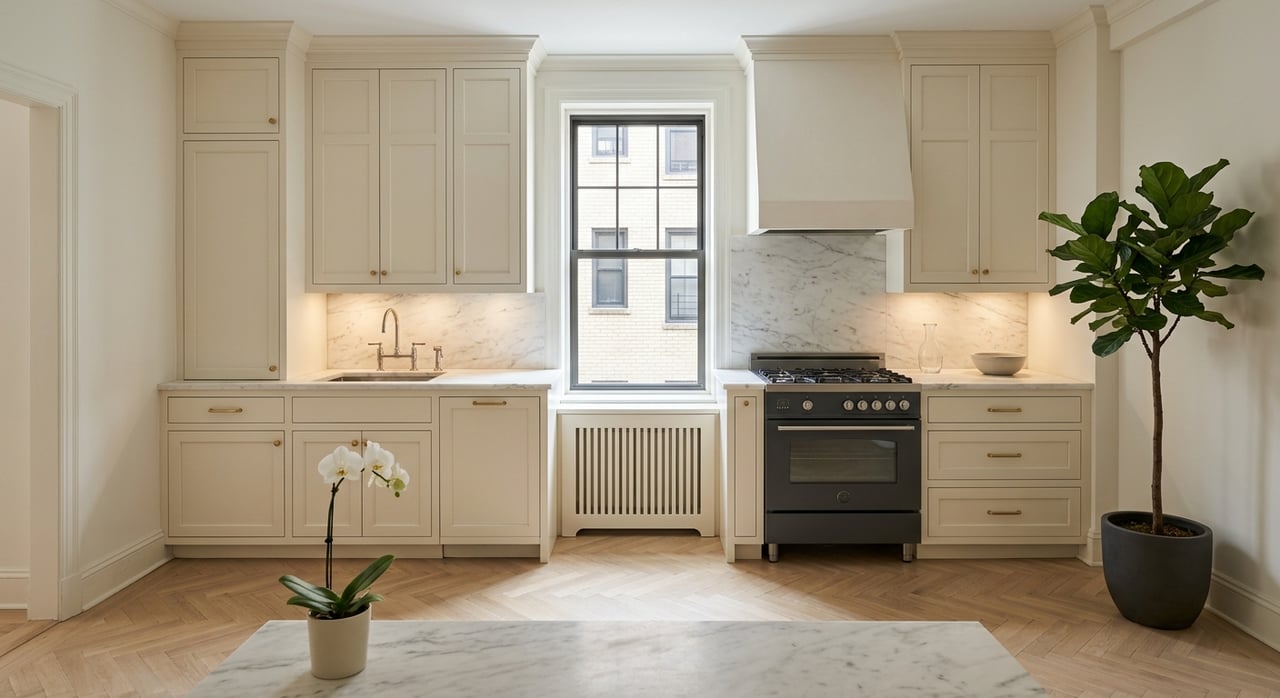
If you want a strong sale on the Upper East Side, pricing and preparation need to work together from the start. In this part of Manhattan, buyers compare homes closely, monthly costs matter, and even similar apartments can perform very differently based on building, layout, light, and condition. The good news is that with the right strategy, you can launch with clarity and confidence. Let’s dive in.
Why Upper East Side pricing is nuanced
The Upper East Side is not one single market. It is a collection of micro-markets shaped by location, building type, and buyer expectations.
Apartments near Central Park and along Fifth or Park often compete in a different tier than homes farther east. That matters because a generic neighborhood average can miss what buyers are actually paying for your specific block, building, and product type.
Property type is also a major divider. According to full-year 2025 data from Miller Samuel’s Elliman Report, the median sales price on the Upper East Side was $1,025,000 for co-ops and $1,982,500 for condos.
Price per square foot shows a similar gap. The same report put the average at $1,402 per square foot for co-ops and $1,959 per square foot for condos, which is a strong reminder that condos and co-ops should usually be priced from different comp sets.
Current market pace also matters. StreetEasy shows a neighborhood median sale price of about $1.2 million with 54 days on market, while its Manhattan-wide Q4 2025 figures show 71 days on market and a 5.2% listing discount.
The takeaway is simple: buyers are still negotiating. Even in a desirable neighborhood, aspirational pricing can slow momentum if it is not backed by strong comparable sales.
How to set the right asking price
A good asking price starts with comparable sales, often called comps. These are recently sold homes that are similar in location, size, condition, and features, and they form the backbone of a comparative market analysis.
Active and pending listings can help frame competition, but sold data usually carries the most weight. That is especially true in a market like the Upper East Side, where buyers and appraisers tend to focus on what has actually closed.
Use the right comp set
For Upper East Side sellers, the first rule is to stay disciplined about comparisons. A condo should not be priced like a co-op, and a renovated unit in a full-service building should not be benchmarked against an unrenovated apartment with a different fee structure.
Even within the same building, two units may not command the same number. Floor plan efficiency, exposure, natural light, view, renovation quality, and overall condition can all affect value.
Adjust for building-level realities
In Manhattan, buyers do not just buy the apartment. They also evaluate the building and the monthly carrying costs that come with it.
For co-ops, maintenance may include building operating expenses, property taxes, and sometimes an underlying mortgage. For condos, owners typically pay their own taxes plus common charges.
Those costs shape affordability and can influence demand. Before setting a price, it is smart to weigh how your monthly charges compare with similar listings, because buyers on the Upper East Side often study these numbers closely.
Match the price to your timeline
Your pricing strategy should reflect your goals. If you want to move quickly, a more competitive list price may make sense.
If you have more flexibility, you may decide to leave some room in the number. Still, the strongest results usually come when the price is grounded in current data and paired with a polished launch from day one.
What buyers notice before they visit
Most buyers start online, so your first impression often happens on a screen. That means your presentation is not separate from pricing strategy. It is part of it.
In NAR’s 2025 home-buyer trends report, buyers who used the internet rated photos as the most useful listing feature at 83%. They also valued detailed property information at 79%, followed by floor plans at 57% and virtual tours at 41%.
On the Upper East Side, where many buyers are comparing similar apartments side by side, details matter. Accurate room counts, square footage, monthly fees, taxes, and a clear floor plan help buyers understand value faster.
If key information is missing, buyers may assume the home is overpriced or not fully market-ready. That hesitation can cost you early momentum.
How to prepare your home before listing
Preparation does not have to mean a full renovation. In many cases, thoughtful edits and careful presentation can make a meaningful difference.
The goal is to help buyers see the space clearly, understand how it lives, and feel that the home has been well maintained. On the Upper East Side, that often means focusing on light, storage, and overall calm.
Start with a clean, edited space
Before photography or showings, prioritize the basics:
- Deep cleaning
- Decluttering
- Depersonalizing
- Minor repairs
- Neutral paint where needed
- Organized closets and storage areas
- Brighter lighting in darker rooms
These steps help a home feel more spacious and easier to understand. They also support stronger photos, which can influence how many buyers decide to book a showing.
Pay special attention to light
Street conditions and taller buildings can limit natural light in parts of the neighborhood. That makes brightness especially important when preparing an Upper East Side apartment for market.
Open window treatments where possible, replace dim bulbs, and remove bulky furniture that blocks light flow. If a room is naturally darker, aim for a warm, clean, balanced look rather than trying to over-style it.
Stage the rooms that matter most
Staging can help buyers connect emotionally to a home and understand how the space works. NAR’s 2025 staging report found that 83% of buyers’ agents said staging made it easier for buyers to visualize the property.
The same report found that 29% of buyers’ agents said staging led to a 1% to 10% increase in the dollar value offered, and 49% of sellers’ agents said staging reduced time on market. The rooms most commonly staged were the living room, primary bedroom, dining room, and kitchen.
If you are not staging the entire apartment, start there. Those rooms tend to shape the overall impression of the home.
Gather the paperwork early
Upper East Side buyers often move quickly once they find the right fit, but they also tend to ask detailed questions. Having the right building and ownership information ready can make your listing feel more credible and easier to pursue.
Before launch, gather:
- Current maintenance or common charges
- Property tax information
- Any special assessments
- Any co-op or condo tax abatement status handled through the building
- Basic building financial and fee details relevant to the listing
This information helps buyers evaluate the full monthly cost of ownership. It also helps your pricing make more sense in context.
Time your launch carefully
Seasonality can shape attention and competition in New York City. StreetEasy’s seasonality data shows that inventory typically peaks in May, rises through early spring, and often sees a smaller rebound in September and October.
Another StreetEasy analysis found that spring buyer inquiries are 36.5% higher than in October through December, and that March is usually the most competitive month for buyers. For sellers, that creates an opportunity, but only if the apartment is fully ready before it hits the market.
A half-prepared launch can waste the strongest early interest. It is usually better to spend a little more time getting the price, photos, staging, and materials right than to go live before the listing is truly ready.
A simple Upper East Side launch plan
If you want a practical framework, focus on these steps:
- Review recent sold comps in your building and immediate area
- Separate condo and co-op comparisons
- Adjust for condition, layout, light, view, and monthly carrying costs
- Complete repairs, cleaning, and decluttering
- Prepare strong photography and a floor plan
- Gather fees, taxes, and building paperwork
- Choose a list price that fits both the market and your timeline
- Launch only when the full presentation is ready
This approach is simple, but it is effective. In a neighborhood where buyers have choices, clean execution matters.
Why strategy matters more than guesswork
On the Upper East Side, a smart sale is rarely about picking a number and hoping for the best. It is about understanding your apartment’s exact competition, knowing how buyers will judge value, and presenting the home in a way that supports the price.
That is where micro-market expertise can make a real difference. A block-by-block, building-by-building strategy is often what separates a listing that sits from one that launches with traction.
If you are thinking about selling and want a clear, no-pressure read on pricing, preparation, and timing, Julia Boland can help you build a strategy tailored to your apartment and your goals.
FAQs
How should you price a co-op on the Upper East Side?
- Start with recently sold co-op comps that are similar in building type, size, condition, layout, and monthly maintenance, rather than using condo sales or broad neighborhood averages.
How should you price a condo on the Upper East Side?
- Use recent condo sales as your main comp set and account for factors like common charges, property taxes, condition, light, view, and how your building compares with nearby alternatives.
What home improvements matter most before listing an Upper East Side apartment?
- Deep cleaning, decluttering, depersonalizing, minor repairs, neutral paint, better lighting, and organized storage usually deliver the most practical impact before launch.
What listing details do Upper East Side buyers want to see online?
- Buyers respond best to strong photos, detailed property information, accurate room counts, square footage, floor plans, and clear monthly cost information.
When is the best time to list a home on the Upper East Side?
- Early spring is often a strong window because buyer activity rises then, but the better rule is to list only when the apartment is fully prepared and priced from current comps.
Why do carrying costs matter when selling on the Upper East Side?
- Maintenance, common charges, property taxes, and assessments affect monthly affordability, so buyers often factor those costs into what they are willing to pay.