Wondering whether a sleek new condo or a classic prewar co-op makes more sense in Morningside Heights? You are not alone. This neighborhood gives buyers a very specific choice between modern, amenity-rich living and the larger rooms, architectural detail, and formal layouts that define much of Upper Manhattan. If you are trying to decide which path fits your budget, lifestyle, and long-term plans, this guide will help you compare the tradeoffs clearly. Let’s dive in.
Why Morningside Heights makes this comparison unique
Morningside Heights is one of those Manhattan neighborhoods where the housing stock tells a clear story. It is compact, shaped by major institutions, bordered by Riverside Park, 125th Street, and the northern edge of Central Park, and it still reads as strongly prewar in character.
That is not just a vibe. The neighborhood’s early apartment-building boom followed the arrival of the subway in 1904, and the Morningside Heights Historic District, designated in 2017, includes roughly 115 residential and institutional buildings. When you walk the area, that protected streetscape helps explain why prewar living still feels like the default here.
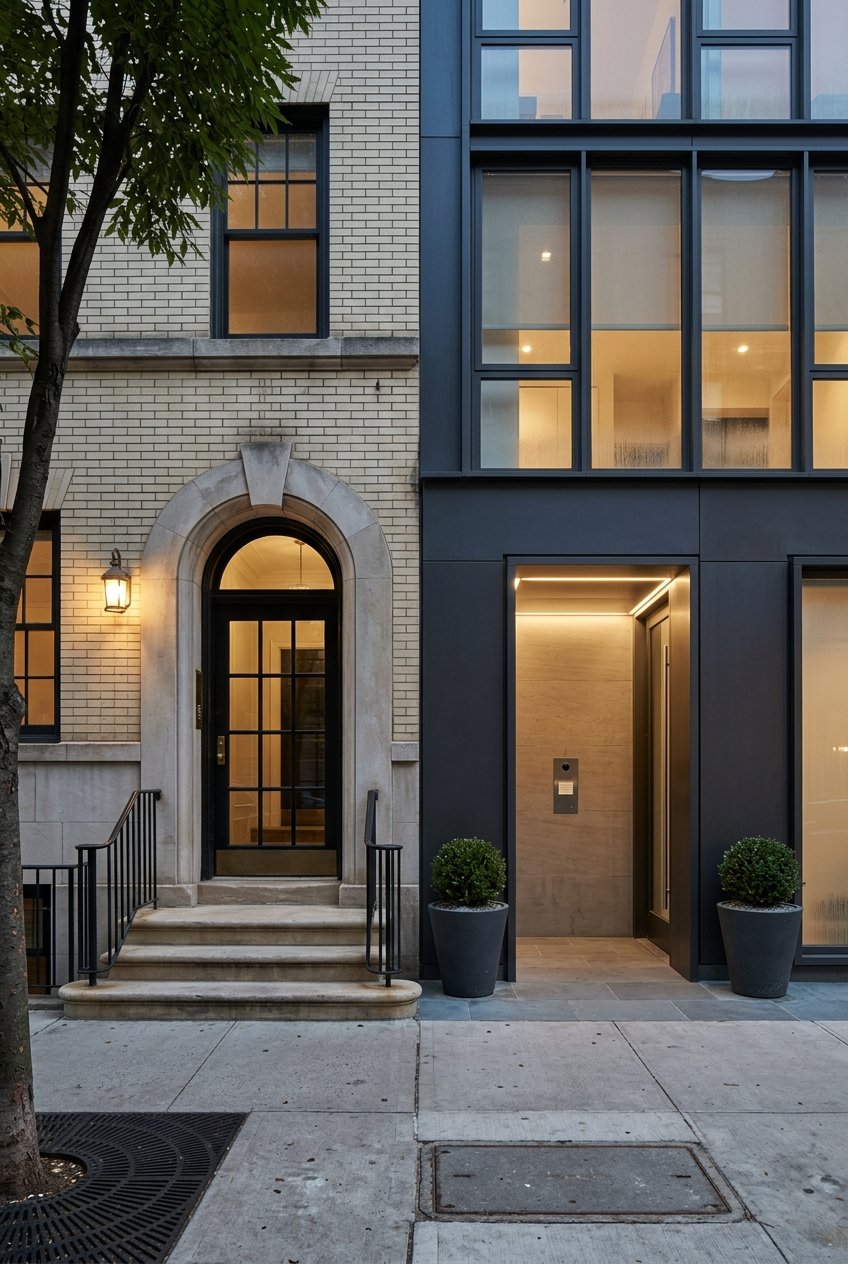
At the same time, a small number of newer condo buildings have changed the conversation. They offer a very different product from the classic Riverside Drive co-op, and that contrast is what makes Morningside Heights so interesting for buyers right now.
Where the market sits today
Morningside Heights sits in a middle ground between two nearby markets. Current StreetEasy neighborhood data puts the median sale price at about $950,000 and the median base rent at about $4,400.
For context, the Upper West Side is around $1.2 million and $4,500 in median base rent, while Harlem is around $750,000 and $3,200. That gives Morningside Heights a distinctive position. It offers a more classic, prewar-heavy feel than many nearby areas, while still sitting below Upper West Side pricing.
What new development looks like here
In Morningside Heights, new development is not the norm. It is relatively scarce, which is part of why the buildings that do exist stand out so much.
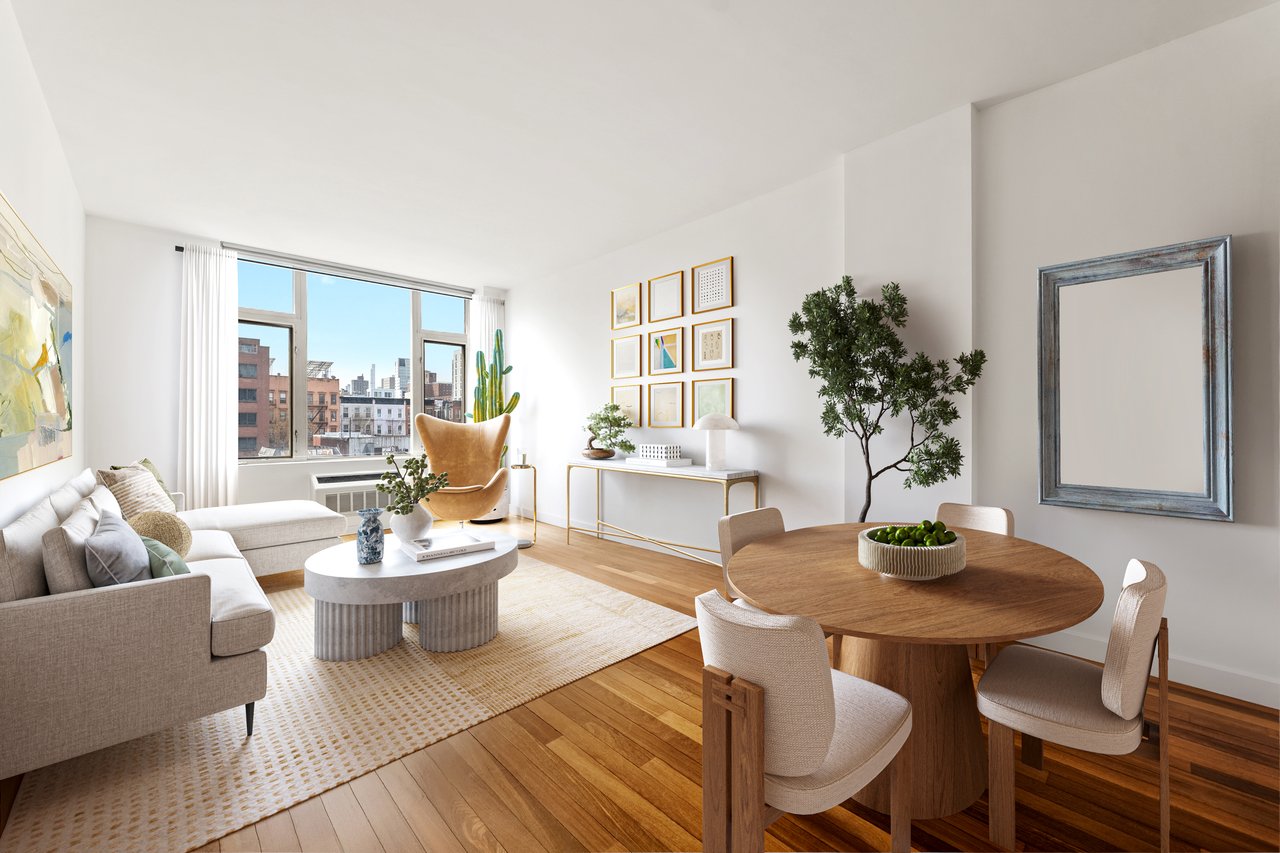
The two clearest examples are Claremont Hall and Vandewater. Both deliver the kind of turn-key condo experience that many buyers want today: modern systems, in-unit laundry, central air, open layouts, and broad amenity packages.
Claremont Hall: high-service condo living
Claremont Hall at 100 Claremont Avenue is a 41-story mixed-use building with 165 condominiums. Lendlease announced the project’s completion on June 28, 2024, though some public-facing listing materials identify it as 2023 built.
What matters most for buyers is the living experience. The building offers an unusually extensive amenity package for the neighborhood, including a 48-foot saltwater pool set within the historic refectory, a gym, movement studio, rehearsal hall, workshop, library and dining hall, resident lounge and terrace, doorman, resident manager, virtual concierge, private storage, bicycle storage, pet spa, and private on-site parking.
The residences reflect the modern condo formula many buyers expect. Current materials highlight open living spaces, bay windows, loggias, expansive views, central air, and in-unit washer and dryers.
Vandewater: full-service modern convenience
Vandewater at 543 West 122nd Street is another major new-construction reference point. It is a 33-story building with 183 residences and about 24,000 square feet of indoor and outdoor amenities.
Its package is extensive: a 24-hour doorman, concierge services, private motor court, salon, great room, catering kitchen, club room, music practice room, teen room, study rooms, children’s playroom, outdoor garden, outdoor dining terrace, aquatic center with a 70-foot pool, yoga and pilates room, sauna, treatment room, pet spa, and on-site parking.
Inside the apartments, current listing details point to many of the features buyers associate with newer construction: large foyers, open kitchens, wine coolers, walk-in closets, high-performance windows, tall ceilings, white oak floors, central HVAC, and in-unit laundry.
What prewar co-op living looks like
If new development is the exception here, prewar co-op living is the backbone of Morningside Heights. This is where the neighborhood’s identity is strongest.
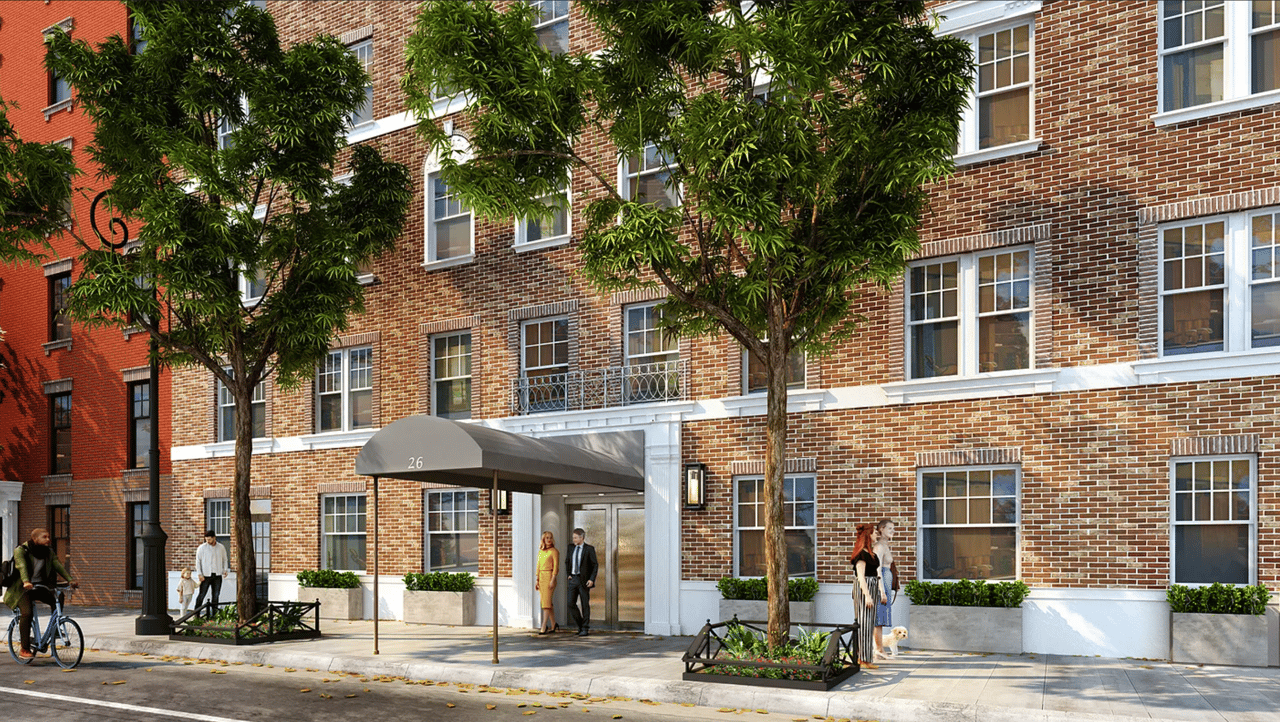
StreetEasy describes the housing stock as primarily made up of large prewar apartment buildings. That often translates into formal foyers, more separate rooms, and apartment layouts that feel very different from the open-plan style found in many new condos.
390 Riverside Drive: classic scale and room count
A strong example is 390 Riverside Drive, a 15-story co-op built in 1925 with 108 units. StreetEasy notes that the building includes three-, four-, five-, and six-room apartments, with many combinations that have created larger nine- and ten-room homes.
That detail matters because it points to one of the biggest appeals of prewar living in this neighborhood: the floor plans. Buyers who want formal entries, more defined living and dining spaces, or simply a sense of scale often find these homes hard to replicate in newer product.
Current listings in the building also show that prewar does not mean bare-bones. Amenities include a full-time doorman, live-in super, elevator, gym, roof deck, bike room, and laundry in the building.
380 Riverside Drive: historic character endures
The Hendrik Hudson at 380 Riverside Drive is another notable example. It is a co-op with 146 units in an eight-story building dating to 1907.
Buildings like this remain compelling for buyers who care about historic architecture, staffed service, and the visual permanence of classic Upper Manhattan design. They may not offer a resort-style amenity suite, but they often deliver a living experience that feels rooted, architectural, and hard to duplicate.
The biggest difference: lifestyle
When buyers compare new development to prewar in Morningside Heights, lifestyle is usually the deciding factor.
If you want move-in-ready finishes, central air, in-unit laundry, oversized windows, concierge service, and amenities that extend your living space beyond the apartment itself, the newer condos make a strong case. Buildings like Claremont Hall and Vandewater are built around convenience.
If you care more about room proportions, formal layouts, architectural detail, and the character of a classic Riverside Drive address, the prewar co-ops are often a better fit. You may trade some modern extras, but you gain a very different kind of home.
The biggest difference: monthly carrying costs
This is where many buyers need the clearest explanation. In Morningside Heights, the monthly numbers can look very different depending on whether you are looking at a condo or a co-op.
In new development condos, monthly costs are usually listed as common charges plus property taxes. For example, a current Claremont Hall three-bedroom listing shows $2,158 per month in common charges and $2,348 per month in taxes, for a total of $4,506 per month before mortgage costs.
A current Vandewater two-bedroom listing shows $1,524 per month in common charges and $1,691 per month in taxes, for a total of $3,215 per month before mortgage costs. That listing also notes there are no amenity fees.
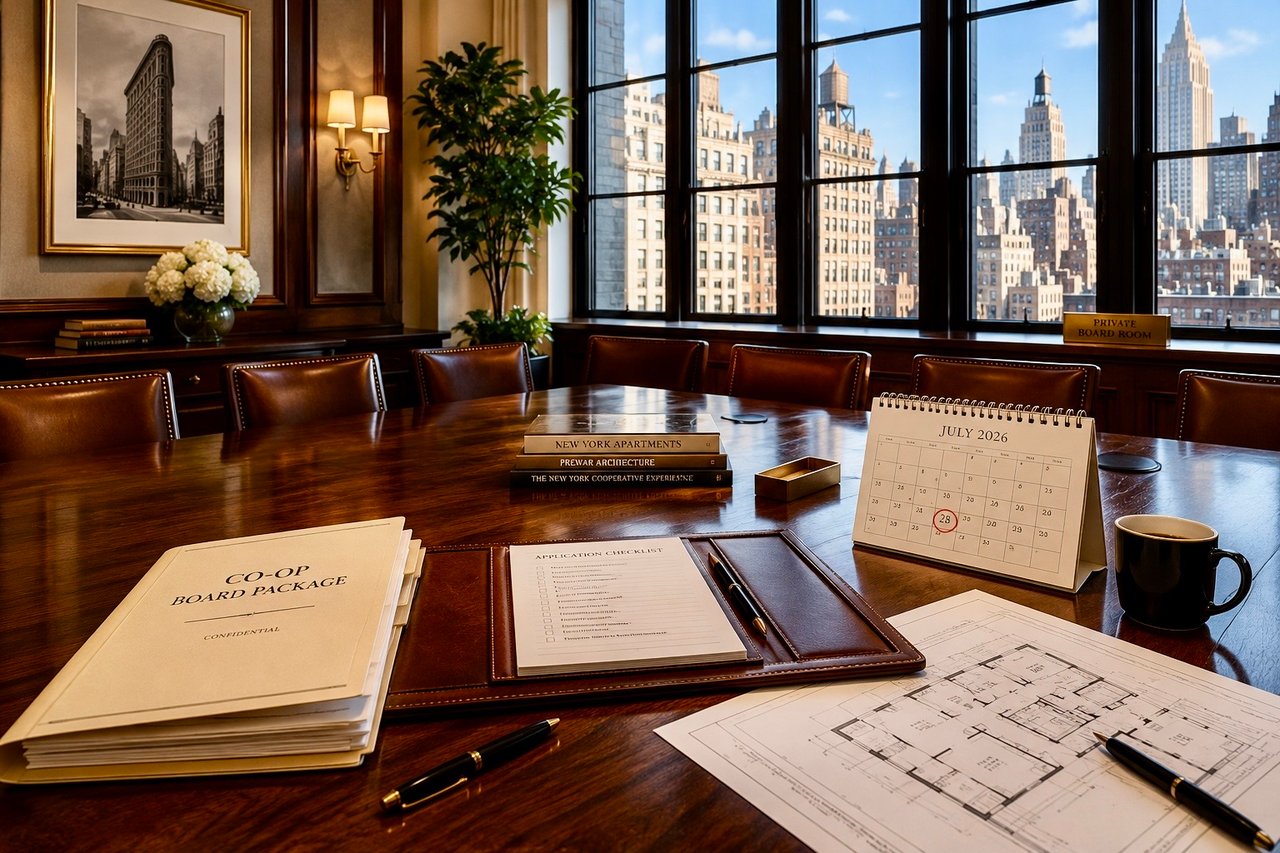
In a prewar co-op, the number is usually simpler on the page because taxes are typically included in the monthly maintenance. At 390 Riverside Drive, for example, a current one-bedroom listing shows $1,897 per month in maintenance, while a current three-bedroom listing shows $6,165 per month in maintenance.
The key is to compare the full monthly outlay, not just the label. A condo may look lower until taxes are added. A co-op may look easier to read because the taxes are already bundled. The right comparison is what you actually spend each month and what you receive in return.
How to decide which fits you best
In this neighborhood, your decision usually comes down to time horizon, renovation appetite, and service expectations.
If you want something turn-key and low-friction from day one, a new-development condo may feel easier. You know what the finishes are, the building systems are new, and the amenities can reduce the need to compromise on space inside the apartment.
If you are comfortable with a more traditional floor plan, and you value architecture and room count over an all-inclusive amenity suite, prewar co-op living may give you more of what you actually care about. In Morningside Heights, that choice often feels less like old versus new and more like character versus convenience, or sometimes the best mix of both.
Why building choice matters here
Morningside Heights has a strong academic and park-adjacent identity, shaped by places like Columbia, Barnard, Riverside Park, and its historic streetscape. It also lacks an express subway stop, which makes the building itself even more important in the daily living equation.
In practical terms, that means the right building can matter as much as the right address. If parking, concierge service, and a broad amenity package are high on your list, the newer towers may stand out quickly. If architecture, layout, and classic Upper Manhattan presence are your priorities, the prewar co-ops may be more compelling.
The bottom line on Morningside Heights living
The simplest way to think about this market is that Morningside Heights is still fundamentally a prewar neighborhood, but its newest condos have raised the bar on service and convenience.
That is why a generic co-op-versus-condo conversation does not go far enough here. In this part of Manhattan, the decision is highly local and highly specific to the building, the block, and the kind of daily life you want.
If you are weighing new development against prewar living in Morningside Heights, the best next step is to compare real examples side by side. A clear read on layout, monthly carrying costs, amenities, and building style can make the choice much easier. If you want help evaluating which path fits your goals, Julia Boland offers the kind of neighborhood-specific guidance that can bring the options into focus.
FAQs
What is the main difference between new development and prewar living in Morningside Heights?
- New development in Morningside Heights typically offers modern finishes, central air, in-unit laundry, and larger amenity packages, while prewar co-ops usually offer more formal layouts, larger room counts, and stronger historic character.
Are new development condos common in Morningside Heights?
- No. Morningside Heights remains primarily a prewar neighborhood, and newer condo buildings are relatively limited compared with the area’s large stock of older apartment buildings.
How do monthly costs work for Morningside Heights condos versus co-ops?
- Condo listings usually show common charges and property taxes separately, while co-op listings usually show one maintenance number that already includes taxes.
Which Morningside Heights buildings represent new development living?
- Claremont Hall and Vandewater are two of the clearest examples of modern, full-service new-development condo living in Morningside Heights.
Which Morningside Heights buildings represent classic prewar co-op living?
- 390 Riverside Drive and 380 Riverside Drive are strong examples of the larger-scale, architecturally distinctive prewar co-op housing that defines much of the neighborhood.
Is Morningside Heights more like the Upper West Side or Harlem on price?
- Based on current StreetEasy neighborhood data, Morningside Heights sits between the Upper West Side and Harlem in median sale price and median base rent.