Scroll through listings long enough and you'll occasionally come across a phrase that makes many buyers instinctively scroll past: land lease. The reaction is understandable. The words conjure real uncertainty. you own the apartment but not the ground beneath it? Sounds risky. Just skip it. That instinct is compounded by the fact that most land lease buildings are co-ops, which carry their own set of buyer hesitations. Stack the two together and the listing rarely gets a second look.
But that instinct, however natural, is leaving money on the table. Because here's the truth that experienced buyers know: not all land leases are created equal. Some are structured in ways that make them virtually indistinguishable from a standard condo purchase. Others are ticking financial time bombs. And the difference between the two? It comes down to the details of the lease which is exactly the kind of thing a skilled agent knows how to uncover.
"The label 'land lease' tells you almost nothing. The terms of that lease tell you everything."
What Is a Land Lease, Anyway?
Real property has two components: the building and the land it sits on. In most transactions, you buy both together without giving it a second thought. In a land lease building, the two are separated, the cooperative or condominium corporation owns the building but leases the underlying land from a third-party landlord. That landlord might be a private investor, an institution, or a government entity. The most familiar example in Manhattan is Battery Park City, where the land is owned by the Battery Park City Authority, a New York State public benefit corporation. It's a structure most downtown buyers encounter without drama.
Shareholders who own in a building with a land lease pay a proportional share of that ground rent through their monthly maintenance. When the structure works well, it's nearly invisible. When it doesn't, it can be catastrophic.
The critical variables are: Who owns the land? How long is the lease? When is the lease renegotiated? What is the rent, and when does it reset? By how much can it increase? And does the building have any right to purchase the land? These questions and not the label "land lease" are what determine whether a building is a hidden gem or a hidden hazard.
The Good: Land Leases That Work Like Condos
Some of Manhattan's most well-run buildings operate on land leases that are, for all practical purposes, a non-issue for buyers. These are typically condops, a term that gets used two ways. Technically, it describes a hybrid structure where a cooperative corporation holds a condominium unit. In practice, most buyers use it as shorthand for a co-op that operates under condo-like rules: investor friendly and no board approval required for purchases. In either case, the ground rent is baked predictably into the financials, resets are modest and formulaic, and the buildings trade freely. The land lease, in these instances, is a footnote and not a dealbreaker.
The Strathmore
400 East 84th Street | Upper East Side/Yorkville
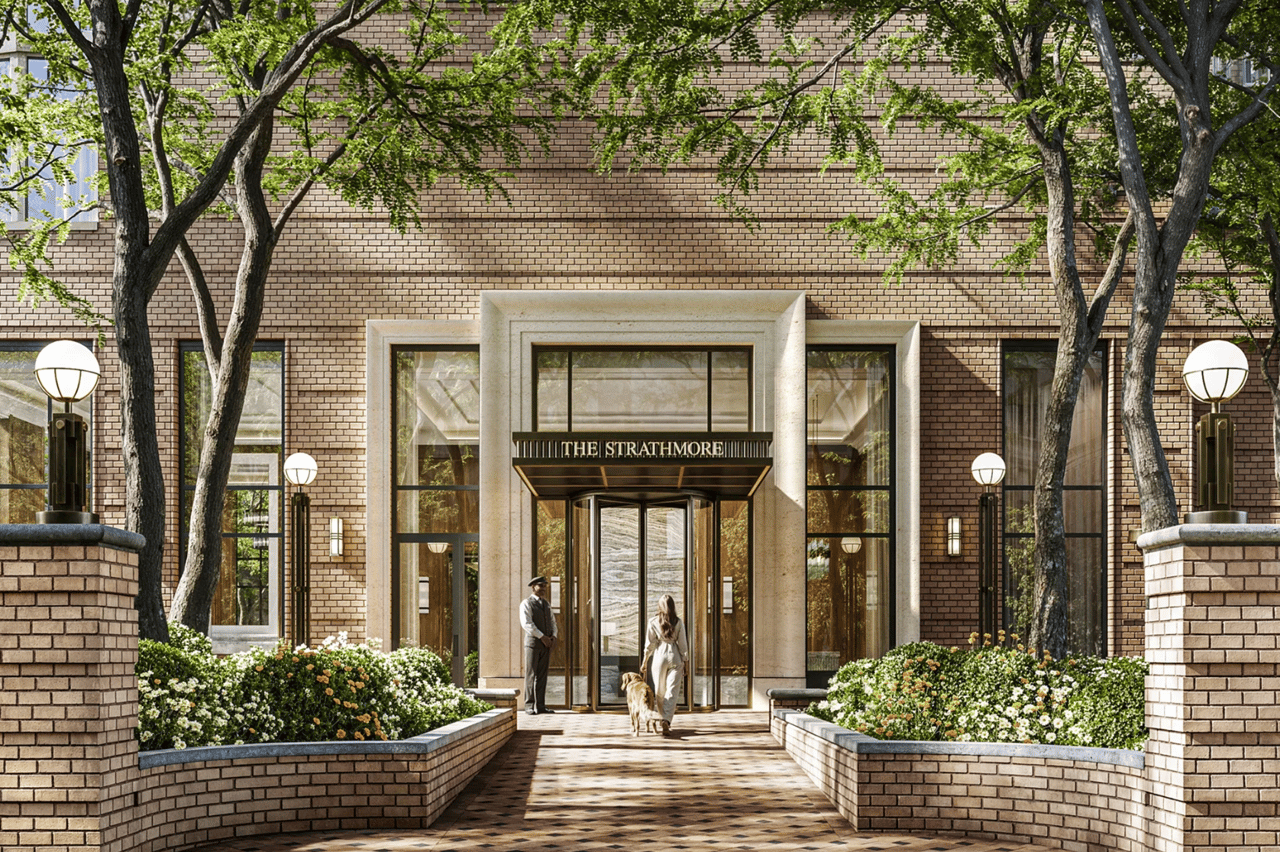
The Strathmore is a prime example of a land lease that works seamlessly for buyers. A 43-story tower developed by Related Companies, the Strathmore offers sweeping East River and Central Park views, resort-caliber amenities including an indoor lap pool, and a well-managed building with a strong track record. Its 144 for-sale residences are cooperative apartments that operate under condo rules, meaning flexible subletting, no board approval required, and conventional financing available. The co-op corporation owns the building; the land is leased. And the market has spoken: the Strathmore has been the fastest-selling building in Manhattan for four consecutive months. When buyers and their real estate attorneys are signing off at that pace, it tells you something important, the lease terms hold up to scrutiny.
88 Morningside
88 Morningside Avenue | South Harlem / Morningside Heights
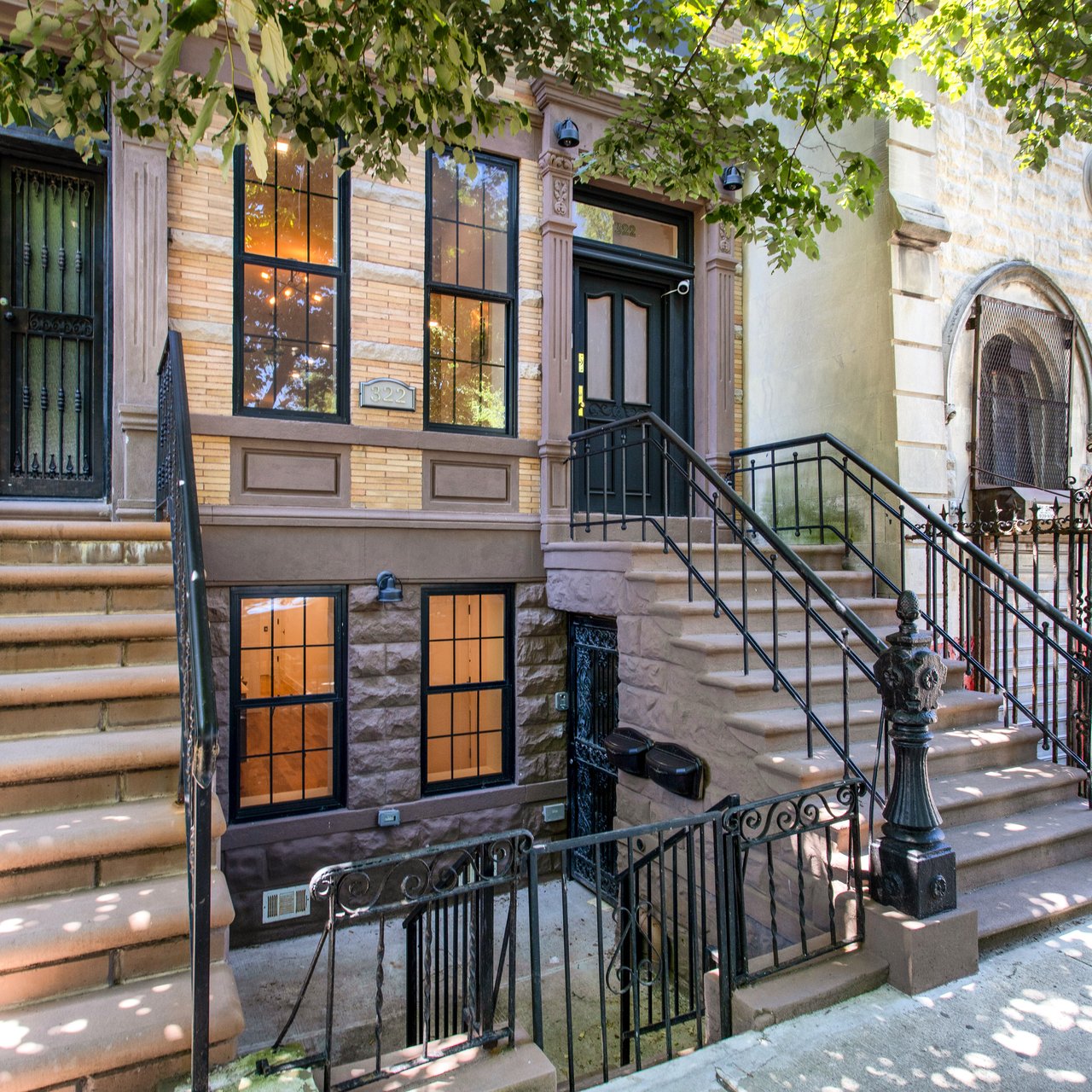
88 Morningside is a modern, design-forward building completed in 2011 and one of Harlem's most compelling buys. Architecturally striking with its floor-to-ceiling glass and panoramic Morningside Park views, this 12-story, 74-unit building operates as a co-op under condo rules: a liberal sublet policy, no board approval required for purchases, and flexible ownership rights that mirror what you would find in a true condominium.
Like The Strathmore, the land lease structure here is engineered to be buyer-friendly. The building's financials are stable, and the ownership experience reflects condo flexibility rather than co-op restriction. For buyers priced out of comparable downtown apartments, 88 Morningside offers real value and the land lease is part of why the price point is accessible, not a reason to avoid it.
“This is what a well-structured land lease looks like: predictable, transparent, and aligned with buyer interests. An experienced agent will know to look past the label and evaluate the underlying terms which hold up well.”
The Bad: When a Land Lease Becomes a Crisis
Not every land lease story ends well. When the land is privately owned by an investor with no obligation to shareholders' interests, and the rent is subject to market resets tied to soaring land values, the results can be devastating. Carnegie House is the starkest cautionary tale in New York City real estate right now.
Carnegie House
100 West 57th Street | Midtown West/ Billionaires' Row
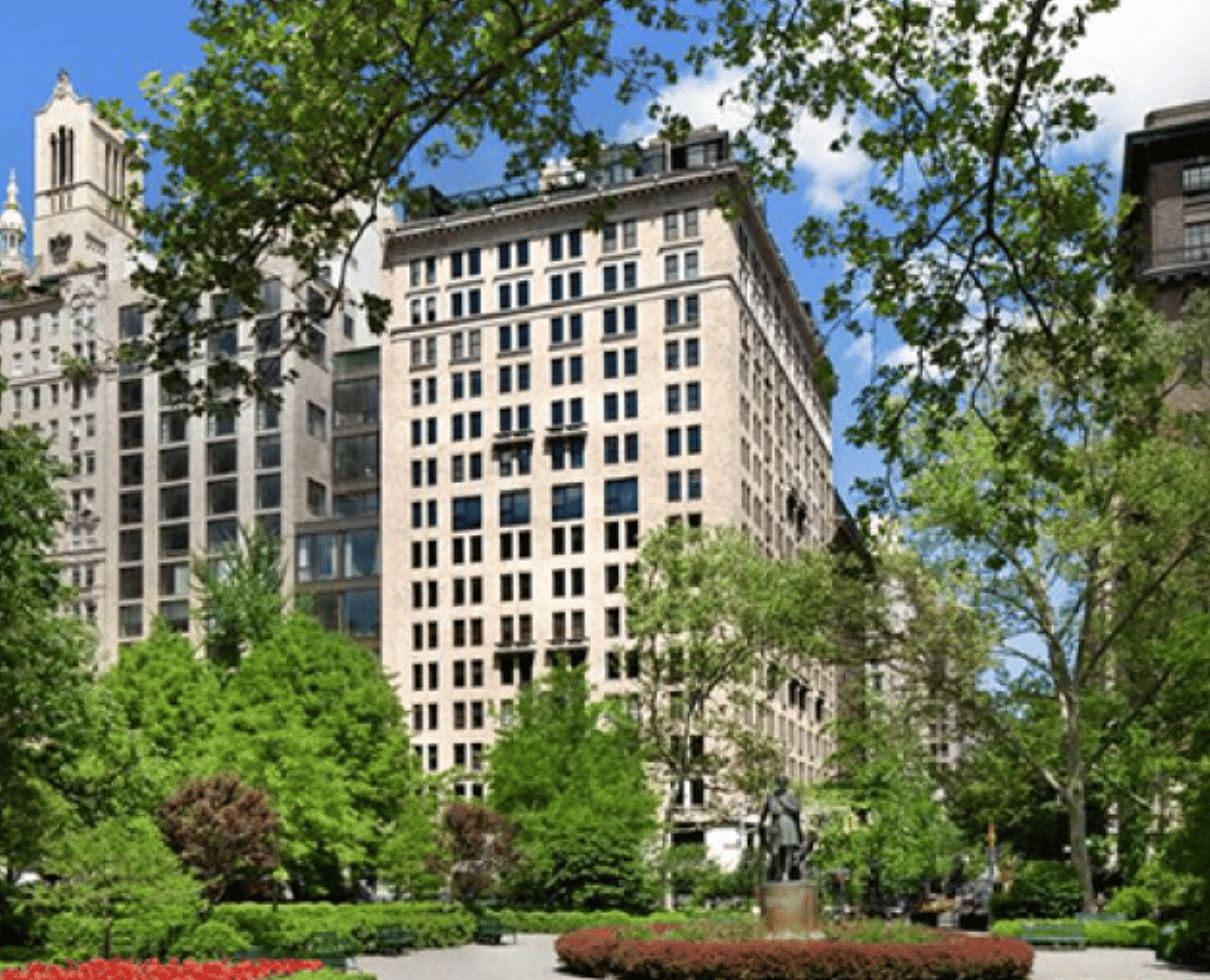
Carnegie House was built in 1962 and converted to a cooperative in 1978 but that conversion never included the land. The co-op has operated under a long-term ground lease ever since, with rent resetting at intervals. For decades, the ground rent was modest enough that most shareholders didn't give it much thought.
Then in 2014, the ground lease was sold to a private investment partnership, Rubin Schron's Cammeby's International and David Werner Real Estate, for $261 million. The buyers acquired the lease precisely because they knew a reset was coming in 2025, and that 57th Street's transformation into Billionaires' Row had dramatically increased the underlying land value. The lease contained a provision tying rent to approximately 8.2% of land value, a formula that looked benign when land was cheaper and looks catastrophic today.
By the time the reset arrived, the proposed ground rent had climbed from roughly $4.4 million per year to somewhere between $24 million and $40 million annually, a potential increase of 450% to 600%. For the building's 324 shareholders, this flows directly into their monthly maintenance. Many owners faced the prospect of maintenance charges doubling or tripling overnight.
A New York Supreme Court judge ultimately upheld an arbitration award allowing a roughly 450% increase in ground rent. The board has indicated it plans to appeal. Meanwhile, unit values have collapsed with some apartments now listed for as little as $100,000, a reflection of the carrying costs and financing challenges. Banks have largely exited the building, requiring cash purchases. The board president has warned that many shareholders may simply no longer be able to afford to stay. In the worst-case scenario, a default on the ground lease, shareholders could lose their ownership interests entirely while remaining liable for any personal mortgages they carry.
A Question Mark, Not a Red Flag
Carnegie House is not just a building in trouble. It is a lesson in what happens when a land lease is structured with reset provisions tied to open-market land values, on land in one of the most expensive corridors in the world, owned by investors with no alignment of interests with residents.
But Carnegie House is not the whole story. For every building with a ticking clock on its lease terms, there's a Strathmore or an 88 Morningside which are well-structured, well-run buildings offering genuine value to buyers who don't reflexively scroll past the label.
The lesson is simple: land lease is not a red flag. It's a question mark. And the right agent doesn't just know how to answer it; they know which questions to ask before you ever make an offer. That's not a small thing. In a market this complex, it's everything.
Frequently Asked Questions: Land Lease Buildings in NYC
What is a land lease building in NYC? A land lease building is one where the co-op corporation owns the building but leases the land beneath it from a third-party landlord. Shareholders pay a proportional share of that ground rent through their monthly maintenance. The landlord can be a private investor, an institution, or a government entity — and who owns the land matters enormously.
Are land lease buildings bad investments? Not necessarily. It depends entirely on the terms of the lease. Some land lease buildings like The Strathmore on the Upper East Side and 88 Morningside in Harlem are structured with predictable, formulaic rent resets and operate under condo-like rules, making them strong buys. Others, like Carnegie House at 100 West 57th Street, carry significant financial risk due to open-market rent resets tied to soaring land values. The label alone tells you nothing. The lease terms tell you everything.
What is a cond-op? A condop can be a co-op that operates under condo-like rules. Technically, it describes a hybrid structure where a cooperative corporation holds a condominium unit. In practice, it sometimes means more flexible subletting, no board approval required for purchases, and generally investor-friendly policies. Many of the better-structured land lease buildings in Manhattan are condops.
Can you get a mortgage on a land lease apartment in NYC? In well-structured land lease buildings, yes conventional financing is typically available and buyers transact normally. In troubled buildings like Carnegie House, where the financial outlook is uncertain, lenders have largely exited and purchases must be made in cash. Financing availability is one of the clearest signals of whether a land lease building is considered sound.
What happened at Carnegie House at 100 West 57th Street? Carnegie House is a 324-unit co-op on Billionaires' Row whose ground lease reset in 2025. The land, sold to private investors in 2014 for $261 million, carried a provision tying rent to approximately 8.2% of land value. As 57th Street became one of the most valuable corridors in the world, that formula proved catastrophic. A New York Supreme Court judge upheld an arbitration award allowing a roughly 450% increase in ground rent pushing annual ground rent from $4.4 million to approximately $24 million. Maintenance charges for many shareholders could double or triple, unit values have collapsed, and some apartments are now listed for as little as $100,000. The board is appealing.
What should I ask before buying in a land lease building? Your agent should help you evaluate: Who owns the land? When does the lease expire and when does rent reset? How is the reset calculated? Is it by a fixed formula or open-market land value? Does the building have the right to purchase the land? Is conventional financing available? And what do the building's financials and reserve fund look like? These questions, not the label, determine whether a land lease building is a hidden gem or a hidden hazard.
Is Battery Park City a land lease? Yes. All of Battery Park City is built on land owned by the Battery Park City Authority, a New York State public benefit corporation. It is the most familiar land lease example in Manhattan and one most downtown buyers encounter without drama, a useful reminder that the structure itself is not the problem.
What is a ground lease reset? A ground lease reset is the point at which the rent a building pays to the land owner is recalculated, typically based on a formula spelled out in the original lease. Resets tied to modest, predictable formulas like CPI increases or fixed percentages are manageable. Resets tied to current market land value, especially in rapidly appreciating neighborhoods, can produce dramatic and destabilizing increases in ground rent.
Julia Boland is a Manhattan residential real estate specialist at Corcoran with over 25 years advising buyers and sellers on NYC co-ops, condos, and townhouses. She is the author of Buying Smart in NYC: An Insider's Guide to Condo & Co-op Buying (2026). Whether you're just starting your search or ready to make a move, Julia and The Boland Team are here to help. Reach out at thebolandteamnyc.com or call (848) 200-1452.