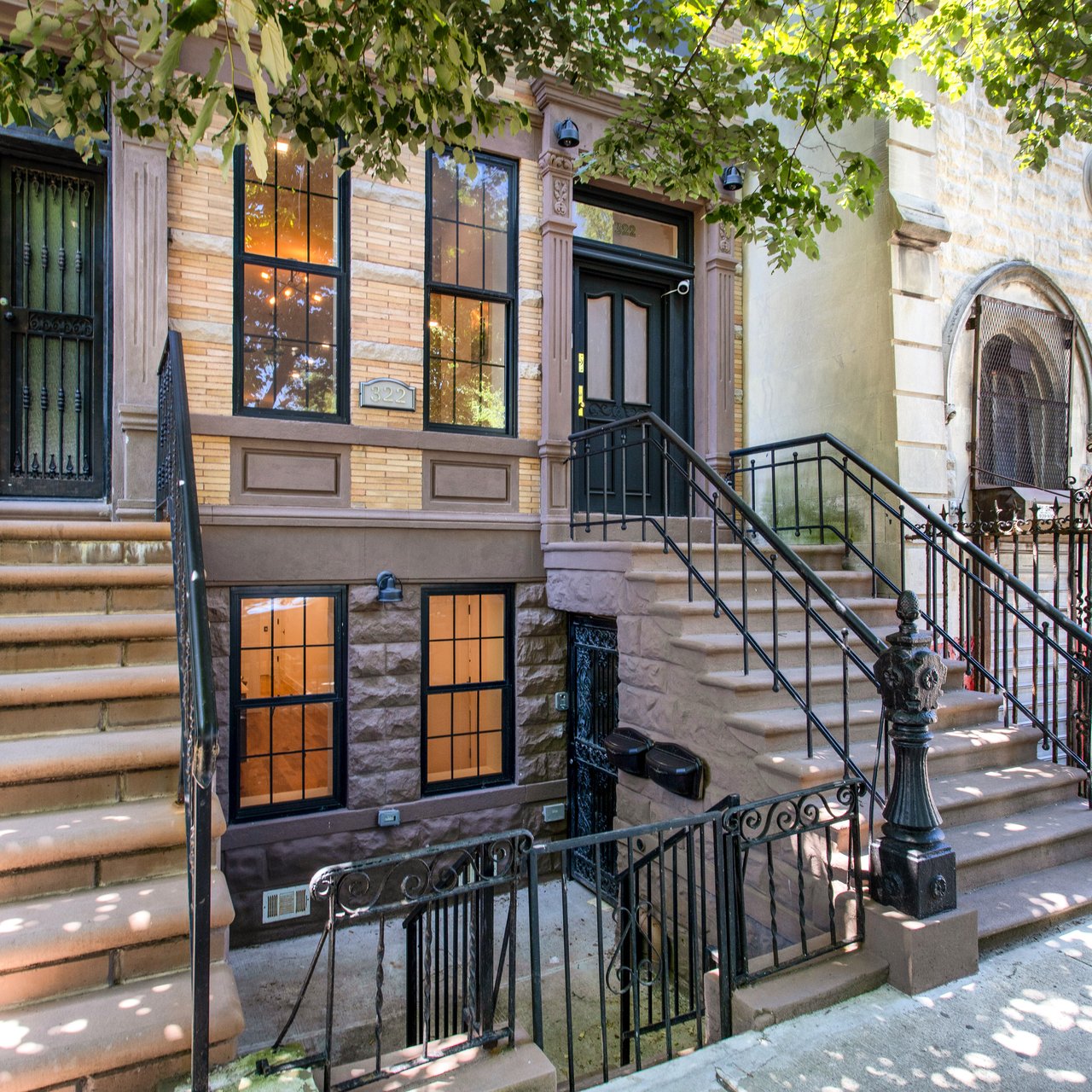
When I talk to townhouse owners who are thinking about selling, I tend to see two very different reactions. The first is: I’m not putting another dollar into this house. The second is almost the opposite. Suddenly, every project they have thought about doing for the past ten years; the kitchen, the primary bath, the floors, the lighting all feel like something that needs to be completed before they can sell. Usually, neither approach is quite right.
A major renovation does not automatically translate into a higher sale price. Buyers have their own taste, their own priorities, and often their own plans for the house. With townhouses in particular, they may be buying for things you cannot renovate into existence: location, width, scale, light, outdoor space, architectural detail and, perhaps most importantly, potential.
What tends to matter more is much less glamorous. Repair the water damage. Deal with the deferred maintenance. Service the mechanicals. Paint the rooms that look tired. Improve the lighting. And clean out the cellar. Townhouse cellars have a way of becoming repositories for everything owners couldn’t quite bring themselves to throw away over the years. Clear it out, clean up the mechanical spaces, and fix the things that make a buyer stop and wonder, What else is wrong with this house? Because once buyers start asking that question, they may simply choose another house.
The goal before selling is not to finally create your dream house. It is to make the improvements that help buyers see the value of the house you already have.
Start With the Buyer
Before spending money, I would start with a different question. Not: What would I renovate if I were staying? But: Who is most likely to buy this house?
Some townhouse buyers want turnkey. They are willing to pay for a house that feels finished, cohesive, and ready to move into without immediately taking on a major project. And we know that exceptionally renovated townhouses can command a significant premium. That is true whether we are talking about a $70 million townhouse on Bank Street or Neil Patrick Harris and David Burtka’s Harlem brownstone, which sold for more than $7.1 million.
Others are specifically looking for something they can make their own. They care more about the bones of the house, the width, proportions, original details, light, garden, location, and flexibility of the layout. Put in a brand-new kitchen and they may hate it because they want to put their own stamp on the home.
That is why I would never recommend a renovation in a vacuum. You have to look at the house, the neighborhood, the competition, and most importantly, the likely buyer.
Are renovated townhouses commanding a meaningful premium? Are buyers in this particular market looking for turnkey? Or are unrenovated houses selling well because buyers want the opportunity to create something themselves? Those answers should drive the decision.
Fix the Things That Create Doubt
Buyers can live with dated finishes. What makes them nervous is uncertainty. An older kitchen that is clean, functional and appropriately reflected in the asking price may be perfectly fine.
Visible water damage is different. So is an aging roof, questionable electrical work, an HVAC system that has not been serviced, damaged plaster, an unfinished project or a cellar that looks as though no one has opened the door in ten years.
Once buyers start seeing signs of deferred maintenance, they rarely calculate just the cost of the repair. They start factoring in inconvenience, risk, time and everything else they are afraid they might uncover after closing. And their number is usually higher than yours.
Before listing, I would pay particular attention to:
Leaks, water infiltration and damaged plaster
Roof, drainage, façade, stoop and masonry issues
Broken windows, flooring, doors and hardware
Obvious plumbing, electrical, heating or cooling problems
Unsafe stairs, railings or exterior conditions
Unfinished projects
Dark rooms, tired paint and poor lighting
Mechanical and utility areas that suggest deferred maintenance
That does not mean every problem has to be completely resolved before you sell. Sometimes the better decision is to repair it. Other times, it makes more sense to understand the scope of the problem, get an estimate from a licensed professional, and price accordingly. Your listing agent can then share that information with interested buyers. It is much better to have a credible estimate in hand than to leave buyers guessing about what a repair might cost.
What I would not recommend is simply hoping the buyer doesn't notice. They usually do and quietly choose another property.
A Refresh Is Not a Renovation
There is also an important difference between renovating a townhouse and preparing one for sale. I am a big believer in preparation. A clean, bright, well-maintained house photographs better and shows better. More importantly, it allows buyers to focus on the house rather than compiling a mental list of everything they will need to do after closing.
Depending on the property, I might recommend painting, repairing cosmetic damage, refinishing or cleaning floors, improving lighting, deep cleaning, editing furniture, staging certain rooms, or improving the garden and front entrance. None of this is particularly exciting. But it is often time and money better spent than installing a kitchen you hope the next owner will love as much as you do.
And if preserving cash is a concern, that does not necessarily mean you have to skip the work. There are programs that allow sellers to pay for certain pre-sale improvements from the proceeds at closing rather than paying everything upfront. Ask your listing agent to walk you through the interest free options and whether they make sense for your property.
Make the House Easy to Understand
This is one of the areas sellers often overlook. With a townhouse, buyers are not just buying an apartment. They are taking responsibility for an entire building. That can feel intimidating, particularly to someone coming from a condo or co-op where many of the building systems were someone else’s responsibility.
Documentation can make an enormous difference. If you have records for the boiler, HVAC, roof, waterproofing, masonry, windows, electrical work, or other improvements, organize them. The same goes for renovation plans, permits, warranties, contractor information, and approvals.
You also want to understand the property’s legal use and whether there are open permits, violations, or other issues that could surface during due diligence. I would much rather discover one of those issues before we put the house on the market than after we have an accepted offer.
I once represented a seller who discovered an open permit that their closing attorney had failed to catch when they purchased the house years earlier. Resolving it delayed our closing by six months. That is exactly the kind of problem you want to find before there is a buyer waiting to close. Good documentation will not turn an old house into a new one. But it can make an older house feel much less risky.
Price the House You Actually Have
This may be the most important point. A dated but well-maintained townhouse can be a terrific property to bring to market. The key is to position it correctly. If the house needs updating, lean into what cannot be replicated: the location, scale, width, light, architectural character, outdoor space and opportunity to create something exceptional.
Where sellers get into trouble is wanting the price of the fully renovated townhouse down the street without either doing the renovation or giving the buyer enough room in the price to take it on themselves.Townhouse buyers will take on work. But they want to feel they are being compensated for taking on the cost and risk.
The strongest strategy is often somewhere in the middle: address the issues that create doubt, improve the presentation, organize the documentation and price the house for the condition it is actually in.
Renovate With the Buyer in Mind
The improvements that make the biggest difference before a townhouse sale are often not the ones that make the best before-and-after photos. Fresh paint, repaired plaster, better lighting, clean windows, an orderly cellar and well-documented building systems are not particularly glamorous. But they make buyers more comfortable.
And comfortable buyers are much more likely to focus on what they love about the house rather than what might be wrong with it. So before you finally renovate the kitchen you have disliked for fifteen years, ask whether you are doing it for yourself or for the next buyer. Those are not necessarily the same renovation.
If you are considering selling a New York City townhouse, the first step should not be calling a contractor. It should be understanding how your house fits into the current market, who is most likely to buy it, and which improvements, if any , will actually affect the outcome.
Julia Boland is a Manhattan residential real estate specialist at Corcoran with over 25 years advising buyers and sellers on NYC co-ops, condos, and townhouses. She is the author of Buying Smart in NYC: An Insider's Guide to Condo & Co-op Buying (2026). Whether you're just starting your search or ready to make a move, Julia and The Boland Team are here to help. Reach out at thebolandteamnyc.com or call (848) 200-1452.
Frequently Asked Questions
Should I renovate my NYC townhouse before selling?
Not necessarily. In many cases, a targeted refresh and addressing deferred maintenance will do more for a sale than a major renovation. The decision should depend on the condition of the house, the likely buyer, the competition, and whether renovated townhouses in your market are actually commanding enough of a premium to justify the investment.
What improvements are worth making before selling a townhouse?
I would focus first on anything that could make a buyer question how well the house has been maintained. Water damage, damaged plaster, obvious plumbing or electrical issues, poorly maintained mechanical systems, tired paint, bad lighting, and unfinished projects can all create unnecessary doubt. From there, relatively simple improvements such as painting, refinishing floors, deep cleaning, decluttering, and staging can make a significant difference in how the house presents.
Do renovated townhouses sell for more in New York City?
Exceptionally renovated townhouses can command a significant premium, particularly when buyers are willing to pay for a truly turnkey home. But that does not mean every renovation will produce a return. The quality of the renovation, location, price point, buyer pool, and comparable sales all matter. Before undertaking major work, I would want to know whether the market is likely to reward the investment.
Should I renovate the kitchen or bathrooms before selling my townhouse?
I would be cautious. Kitchens and bathrooms are expensive and highly personal. Some buyers will pay more for beautifully renovated spaces, while others would rather choose their own finishes and layout. Unless an outdated kitchen or bath is seriously hurting the property's marketability, a clean, functional space may be preferable to spending heavily on a renovation the next owner may change.
Can I sell a NYC townhouse that needs work?
Absolutely. There are buyers specifically looking for townhouses they can renovate and make their own. The key is pricing and positioning the house appropriately. A property that needs work can still be extremely compelling when buyers understand its potential and the asking price reflects the condition and investment required.
What should I do before putting my NYC townhouse on the market?
Start with a strategic evaluation of the property rather than a contractor. Look at the home's condition, deferred maintenance, documentation, legal use, open permits or violations, relevant comparable sales, and the competition. Then determine who the likely buyer is and which improvements, if any, will make a meaningful difference to the sale.