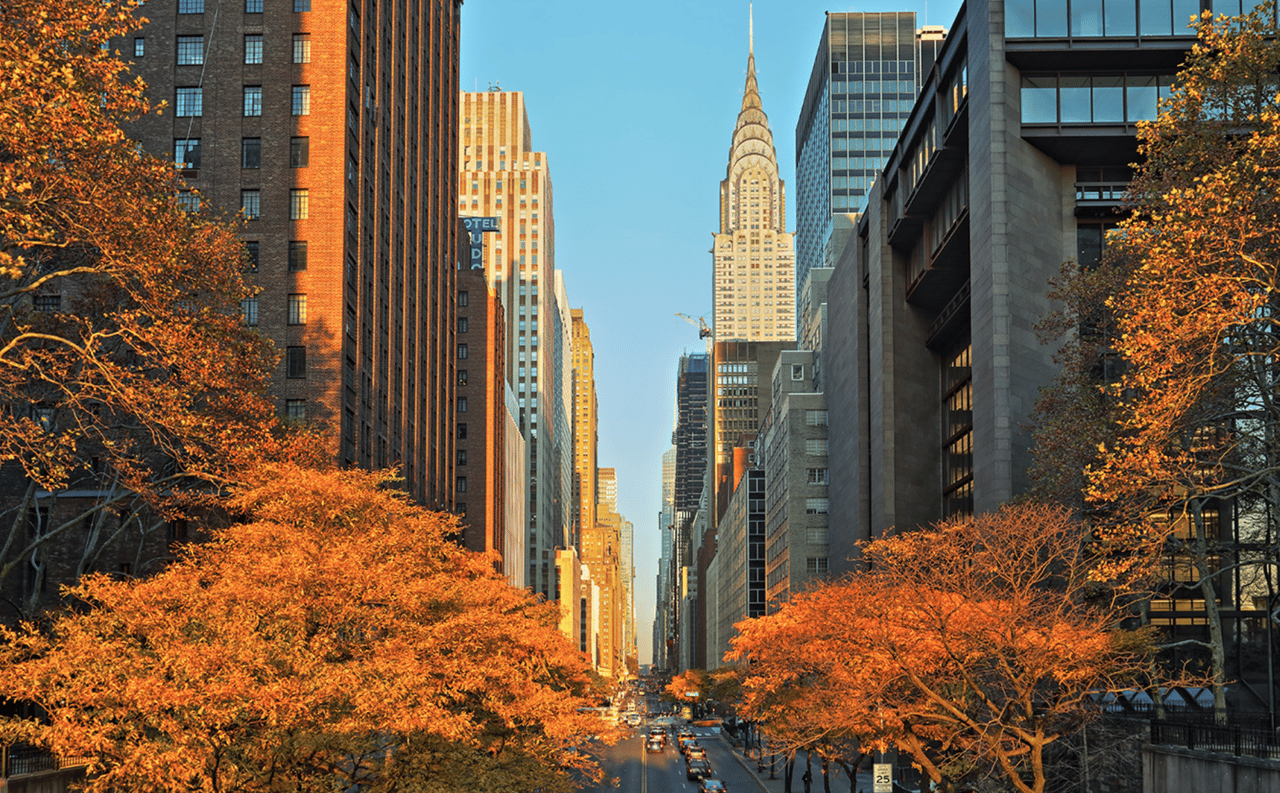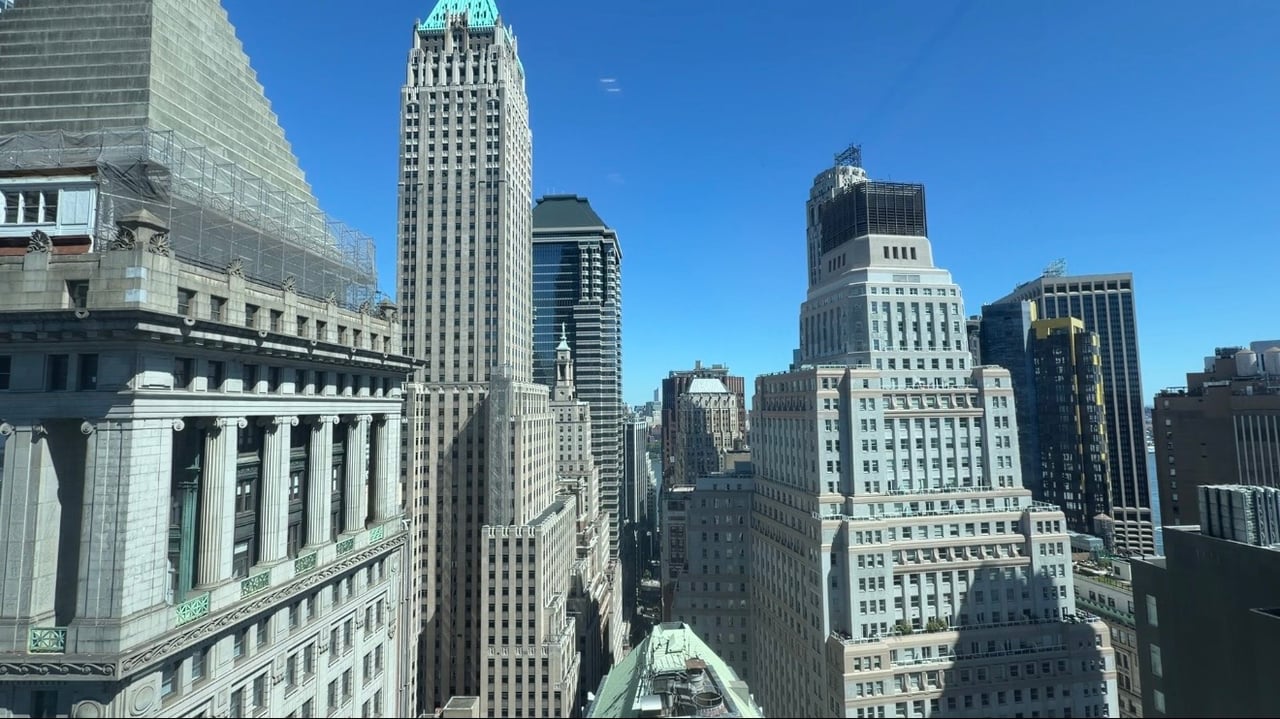
Eleven year old Julia was in awe during her first trip to New York City, her neck craning to see the tops of the skyscrapers while the wind whipped. Sixteen year old Julia couldn't get enough of the city and spent as much time as possible with her cousins who lived on Park Avenue in Carnegie Hill. My younger, impressionable self loved the large prewar limestone buildings. I fell in love with Rosario Candela buildings long before I knew who he was. After decades of serving clients in the neighborhood, I can honestly say my love of the area has only increased. While I have lived in Harlem for two decades, and prior to that on the Upper West Side and in Murray Hill, the Upper East Side always beckons me, regardless of whether the neighborhood is deemed the place to be.
I mentioned to someone recently that the Upper East Side has become trendy again, and they looked at me like I had two heads. For years, those who had grown up on the Upper East Side decamped downtown, getting as far away from the neighborhood as possible. But now cool and trendy Tribeca is fully developed with almost no cheap, grungy loft-style apartments left. Meanwhile the Upper East Side has been reinvented by talented restaurateurs and the influencers who follow them, and inhabited by those fleeing the overcrowding of downtown neighborhoods. What has always made the Upper East Side desirable, plenty of prewar housing stock, Museum Mile, and a proliferation of the best private schools in the nation, has not changed, but the perception has.
The restaurant scene alone tells the story. The Upper East Side has quietly become one of the most exciting dining corridors in Manhattan. Chefs and restaurateurs who might once have planted their flags in the West Village or Nolita have discovered what savvy residents always knew: the clientele is there, the foot traffic is real, and the rents are more forgiving. Marcel, Chez Fifi, Marlowe, and a wave of newer openings have made the neighborhood a genuine dining destination rather than an afterthought. For those of us who have been here all along, watching downtown food critics finally make the trek uptown feels like a quiet vindication.
"Watching downtown food critics finally make the trek uptown feels like a quiet vindication."
The Second Avenue Subway changed everything for Yorkville and the eastern corridor in ways that are still unfolding. What was once considered too far east is now genuinely accessible, and that accessibility has drawn younger buyers and renters who are doing the math. Having sold two apartments at Citizen 360 at 360 East 89th Street, I can tell you that the building meaningfully upgraded Yorkville when it was constructed in 2017. The newest offerings include The Harper at 310 East 86th Street, an art deco-inspired building, and The Strathmore, which I wrote about last week. When you can get a prewar style two-bedroom with original details, high ceilings, and a crosstown bus to the park for considerably less than a comparable apartment in Tribeca or the West Village, the Upper East Side stops looking like a compromise and starts looking like the obvious choice.
"The Upper East Side stops looking like a compromise and starts looking like the obvious choice."
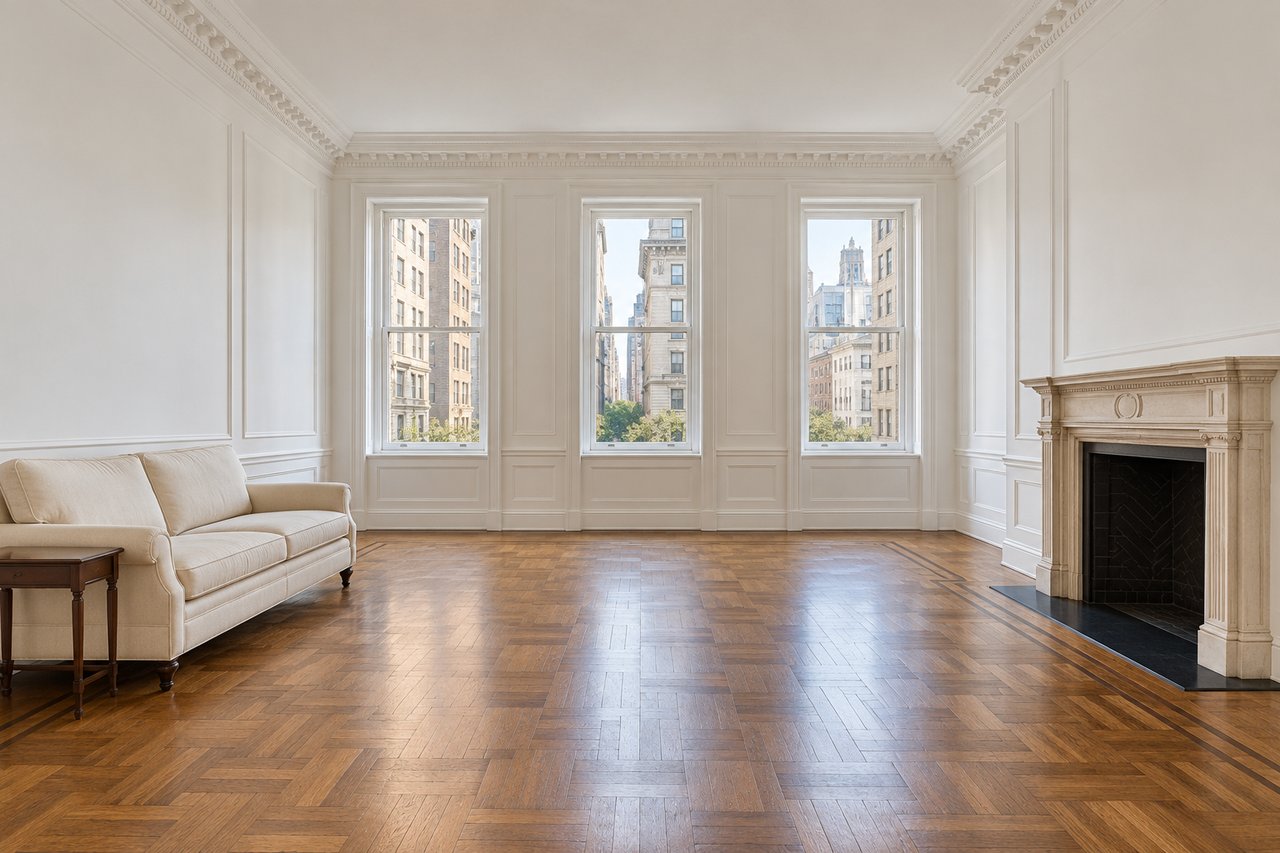
And then there is the architecture, the real reason I fell in love long before I understood what I was looking at. Rosario Candela, the Sicilian-born architect who defined the elegant residential buildings of Park and Fifth Avenues, designed apartments built for serious living: large rooms, gracious layouts, windows that actually let in light. J.E.R. Carpenter and Emery Roth contributed their own masterworks to the streetscape. Walking these blocks is an education in what New York once believed a home should feel like. No amount of trendy new construction has replicated it, though I would argue that 20 East End Avenue, a Robert A.M. Stern-designed building on the Upper East Side, comes very close.
The neighborhoods within the neighborhood matter too. Carnegie Hill, where my cousins once lived and where I spent my teenage years dreaming, has a small-town quality that surprises first-time visitors. Lenox Hill pulses with energy around Lexington Avenue. Yorkville has changed the most with a proliferation of new buildings but it carries traces of its German and Hungarian immigrant history in old storefronts and family restaurants that have somehow survived. The Gold Coast along Fifth and Park remains among the most coveted addresses in the world not only because of status, though that is part of it, but because the buildings are simply extraordinary and the proximity to Central Park is unmatched.
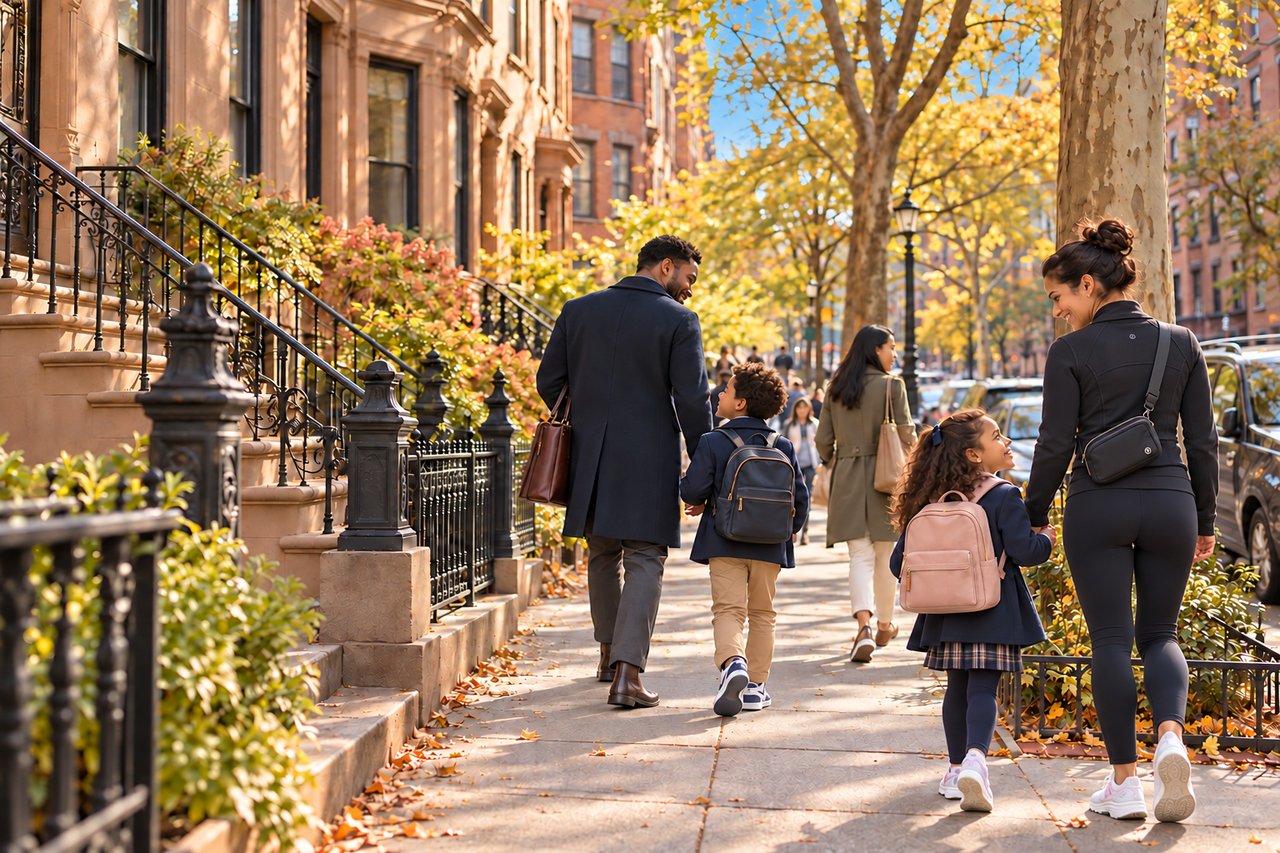
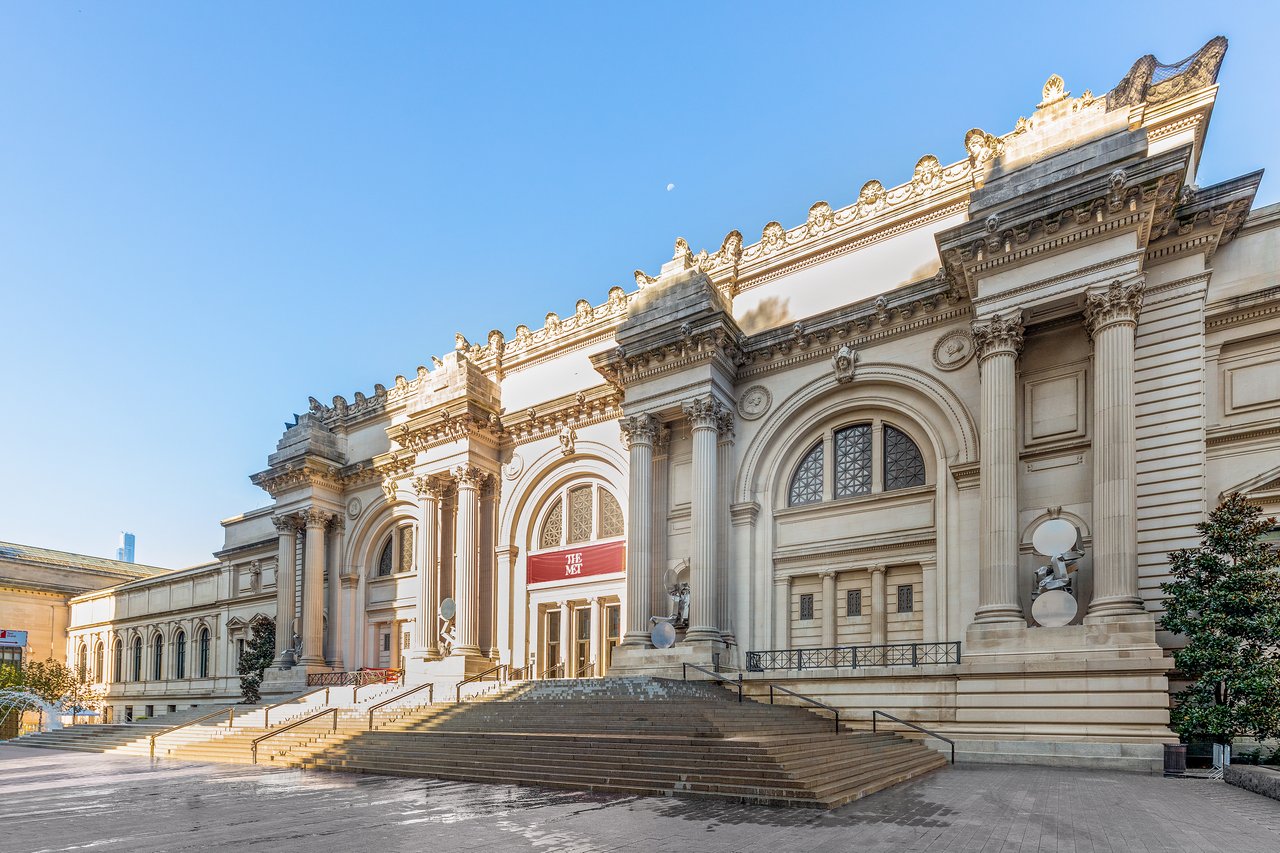
For families, the calculus has always been straightforward. Dalton, Spence, Brearley, Chapin, and a constellation of other top private schools are concentrated here in a way that exists nowhere else in the city. Add in Museum Mile with the Met, the Guggenheim, the Neue Galerie, the Cooper Hewitt and children grow up with world-class culture as a backdrop to ordinary Tuesday afternoons. That does not go out of style.
What I tell clients who hesitate, who have absorbed the old narrative that the Upper East Side is stuffy, sleepy, or somehow yesterday, is simply this: come walk it with me. The energy on Madison Avenue on a Saturday morning, the lines outside the newer restaurants on a Wednesday night, the young families with strollers cutting through Central Park, it does not look like a neighborhood resting on its reputation. It looks like a neighborhood that knew its own worth all along and waited patiently for everyone else to catch up.
"It looks like a neighborhood that knew its own worth all along and waited patiently for everyone else to catch up."
That eleven-year-old craning her neck on her first trip to the city had no idea she would one day hand people the keys to the very buildings she grew to admire. Some things, it turns out, are worth the wait.
Frequently Asked Questions About the Upper East Side
Is the Upper East Side a good place to live? The Upper East Side offers an unmatched combination of prewar architecture, proximity to Central Park, world-class museums, and top private schools. For families, professionals, and anyone who values classic New York living, it remains one of the most desirable neighborhoods in Manhattan.
Is the Upper East Side trendy? Yes and it may surprise you. After years of being overshadowed by downtown neighborhoods, the Upper East Side has been reinvented by acclaimed restaurants, newer luxury buildings, and a wave of younger residents who have discovered its value and accessibility.
What is the best part of the Upper East Side? That depends on what you're looking for. Carnegie Hill offers a quiet, small-town feel. Lenox Hill is energetic and centrally located. Yorkville has character and history. The Gold Coast along Fifth and Park Avenues offers some of the most extraordinary prewar buildings in the world.
How did the Second Avenue Subway change the Upper East Side? The Second Avenue Subway dramatically improved access to Yorkville and the eastern corridor, making previously overlooked streets genuinely convenient. It has been a significant factor in drawing younger buyers and renters to the neighborhood.
Who are the famous architects of Upper East Side buildings? Rosario Candela, J.E.R. Carpenter, and Emery Roth are the architects most associated with the grand prewar residential buildings along Park and Fifth Avenues. Robert A.M. Stern represents the best of what newer construction can aspire to in the neighborhood.
What schools are on the Upper East Side? The Upper East Side is home to some of the most prestigious private schools in the country, including Dalton, Spence, Brearley, and Chapin, all concentrated within a remarkably small area. It also offers a number of noteworthy public schools.
What museums are on Museum Mile? Museum Mile runs along Fifth Avenue and includes the Metropolitan Museum of Art, the Guggenheim, the Neue Galerie, and the Cooper Hewitt Smithsonian Design Museum, among others.
Julia Boland is a Manhattan residential real estate specialist at Corcoran with over 25 years advising buyers and sellers on NYC co-ops, condos, and townhouses. She is the author of Buying Smart in NYC: An Insider's Guide to Condo & Co-op Buying (2026). Whether you're just starting your search or ready to make a move, Julia and The Boland Team are here to help. Reach out at thebolandteamnyc.com or call (848) 200-1452.