By Julia Boland of The Boland Team
New York City neighborhoods telegraph who they are through architecture, street width, building height, and the kind of ground-floor retail that fills the block. The city also has unmistakable anchors, like Central Park, Hudson River Park, and Brooklyn Bridge Park, that shape the adjacent housing stock and the overall feel of the streets.
I like starting with physical cues because they are honest: a brownstone row in Brooklyn Heights reads differently than a glass-and-steel condo corridor in Long Island City, before you ever see a listing sheet.
This guide focuses on how to select the right NYC neighborhood by observing the built environment, amenities, and landmarks that define the most commonly compared areas.
Key Takeaways
-
Building stock: Co-ops, condos, and townhouses vary in concentration by area.
-
Streetscape: Tree canopy, block length, and traffic patterns influence how the neighborhood looks and feels.
-
Landmark anchors: Parks, waterfronts, and cultural institutions shape adjacent value and demand.
-
Retail texture: Corner groceries, restaurants, and boutiques signal how the ground floor is used.
Uptown Classic Blocks Near Central Park
The Upper West Side and Upper East Side are defined by classic prewar apartment houses, wide avenues, and a strong concentration of co-ops with formal lobbies.
Physical cues that distinguish the Upper West and Upper East
-
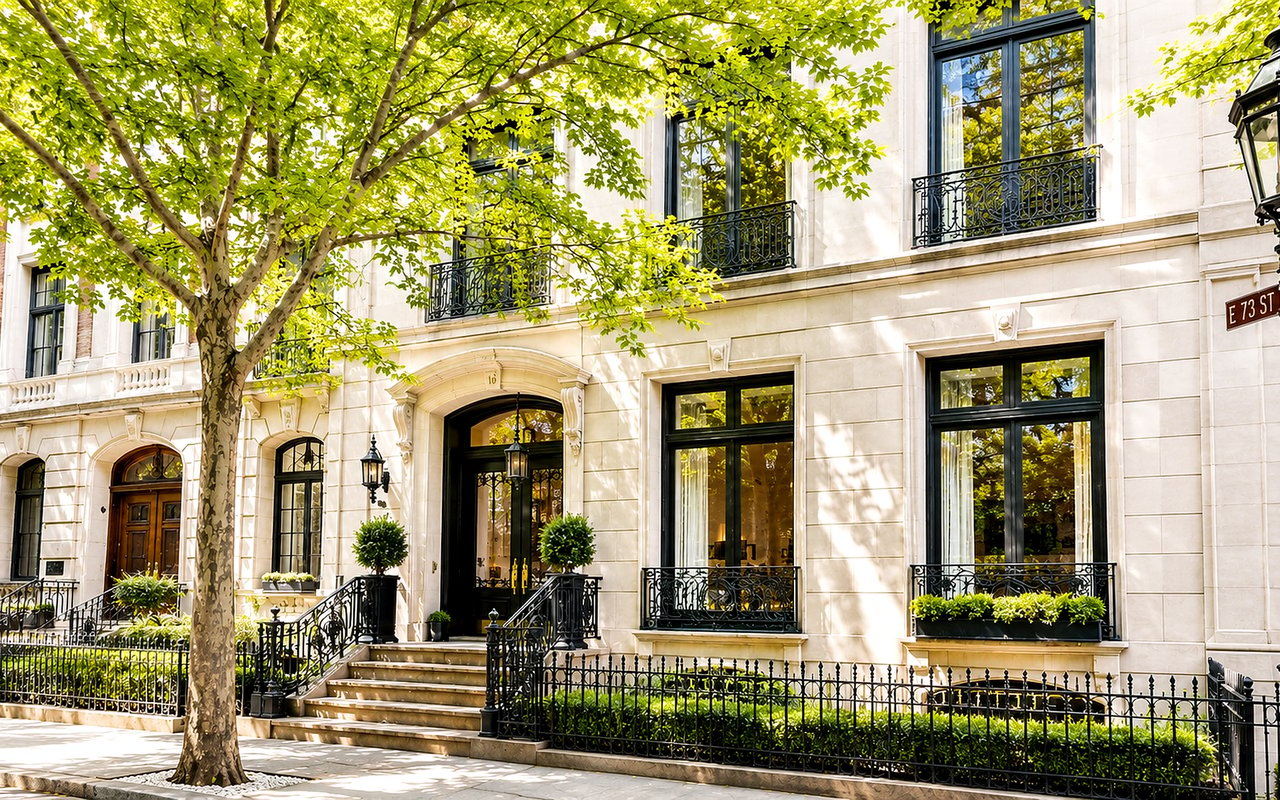
Prewar architecture: Limestone façades, deeper window wells, and larger room proportions show up frequently in co-op buildings.
-
Avenue scale: Broad avenues like Columbus, Amsterdam, Park, and Madison create a grander street presence than many downtown blocks.
-
Museum Mile adjacency: The Met and the Guggenheim corridor influences nearby housing demand and streetscape polish.
These neighborhoods are anchored by Central Park and the reservoir loop, which shape the adjacent streets with a clear residential identity.
Downtown Texture in SoHo, Nolita, and the West Village
Downtown neighborhoods are often defined by tighter blocks, older building stock, and a high concentration of boutique retail and restaurant frontage.
What to look for at street level downtown
-
Cast-iron architecture: SoHo’s historic façades and larger loft-style interiors create a distinct building type that is hard to replicate.
-
Townhouse scale: West Village streets with low-rise brownstones keep building heights modest and visually cohesive.
-
Cobblestone and narrow blocks: Certain West Village and Tribeca-adjacent corners feel older due to materials and street layout.
The West Village’s irregular streets and SoHo’s cast-iron façades create instantly recognizable physical character.
Hudson River Park Corridor in West Chelsea, Tribeca, and Battery Park City
Hudson River Park, piers, and long stretches of bike and pedestrian paths shape the west-side waterfront corridor.
Landmarks and built form along the west-side waterfront
-
Hudson River Park piers: Piers 25, 26, and Chelsea’s pier network create a continuous waterfront edge that influences nearby desirability.
-
High Line adjacency: West Chelsea blocks near the High Line lean modern and gallery-forward with new development.
-
Tribeca loft stock: Converted industrial buildings often feature higher ceilings and larger footprints.
Housing here includes everything from classic Tribeca loft conversions to newer condo towers that emphasize views and amenities.
Brooklyn Heights and DUMBO Near Brooklyn Bridge Park
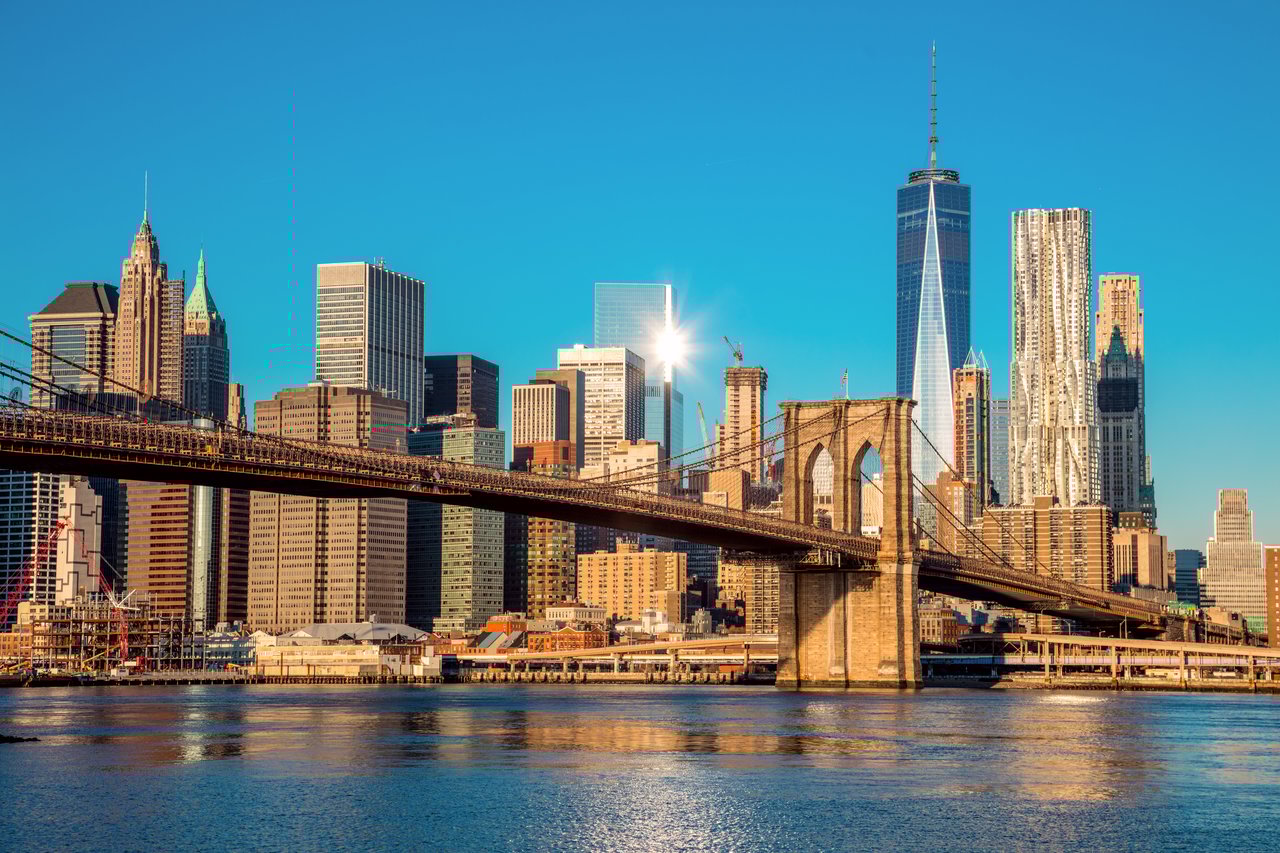
Brooklyn Bridge Park defines the waterfront edge between Brooklyn Heights and DUMBO, with skyline views and a carefully designed park system along the East River.
How the built environment shifts between Heights and DUMBO
-
Brooklyn Heights brownstones: Tree-lined streets and landmarked rows create a consistent, classic residential feel.
-
DUMBO warehouse conversions: Loft-scale windows and industrial materials produce a modern, gallery-like aesthetic.
-
Park-front value: Direct park adjacency and skyline sightlines can become a defining premium factor.
The housing stock changes quickly between these two neighborhoods, from classic brownstone blocks to repurposed warehouse conversions.
Prospect Park Anchors in Park Slope and Prospect Heights
Prospect Park creates a powerful physical boundary, shaping nearby streets through tree canopy, brownstone rows, and a strong neighborhood-scale retail grid.
Landmark cues around Prospect Park
-
Park Slope brownstone rows: Long blocks of townhouses and low-rise buildings create a cohesive streetscape.
-
Grand Army Plaza presence: A monumental gateway and major traffic circle define Prospect Heights’ edge.
-
Cultural institutions nearby: Brooklyn Museum and Brooklyn Botanic Garden adjacency adds weight to the area’s identity.
Park Slope and Prospect Heights offer similar materials and housing types, yet their landmark anchors give them a distinct identity.
Modern Waterfront Scale in Williamsburg and Long Island City
Williamsburg and Long Island City are defined by newer towers, long view corridors, and a modern skyline relationship to Manhattan.
What visually defines these modern districts
-
Glass-and-steel towers: Newer construction and larger buildings create a distinctly modern skyline.
-
Waterfront promenades: East River edges and piers shape outdoor space and view value.
-
Adaptive reuse pockets:Converted warehouses add texture among new builds.
These neighborhoods are a strong fit for buyers drawn to modern building systems and newer amenities.
FAQs
What is the most reliable way to compare NYC neighborhoods quickly?
I recommend comparing building stock first, then anchoring the shortlist around a major landmark like Central Park, Hudson River Park, or Brooklyn Bridge Park.
How do co-op-heavy neighborhoods feel different than condo-heavy neighborhoods?
Co-op-heavy neighborhoods often read more residential because buildings are frequently prewar with formal lobbies and fewer short-term turnovers.
Which landmarks factor into long-term desirability?
Major parks and waterfront park systems tend to influence adjacent value because they remain stable and visually defining. Cultural corridors like Museum Mile and the Brooklyn Museum area also create a durable identity through institutions and streetscape investment.
Contact Julia Boland of The Boland Team Today
NYC becomes easier when you treat neighborhoods like built environments with repeatable patterns, from brownstone rows to loft conversions to modern towers with concierge amenities. I also help clients compare luxury signals that show up in the physical fabric of the city, like light exposure, ceiling height, lobby quality, and the way a block feels from corner to corner.
Reach out to me, Julia Boland of The Boland Team, and I'll guide you through how to select the right NYC neighborhood by mapping building stock, park adjacency, and landmark corridors to the properties that match your preferences.
Reach out to me, Julia Boland of The Boland Team, and I'll guide you through how to select the right NYC neighborhood by mapping building stock, park adjacency, and landmark corridors to the properties that match your preferences.